womens beyond border logo

JOURNAL beyond borders

Rib-in Man. An Imaginative Journey of a Box

Women Beyond Borders Singapore Catalog

Susie Wong, Curator – SINGAPORE – 2001


This exhibition further marks spaces for art made by women in Singapore. It is not on accounts that they are women that alone made such work invaluable, but because, largely opening to the theme, they reveal nuggets of thoughts and insights on themselves as women. What is encouraging is that the process of working was consciousness-raising about each individual self, about women as a community, about women in the community within that community.


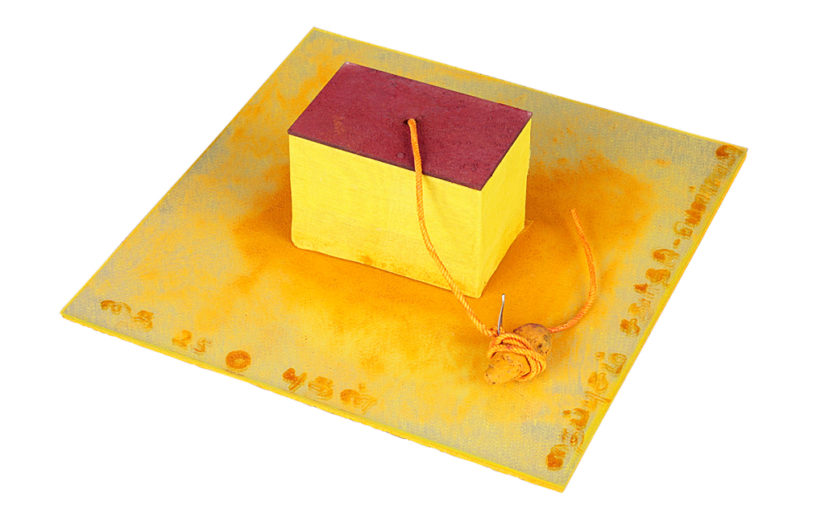
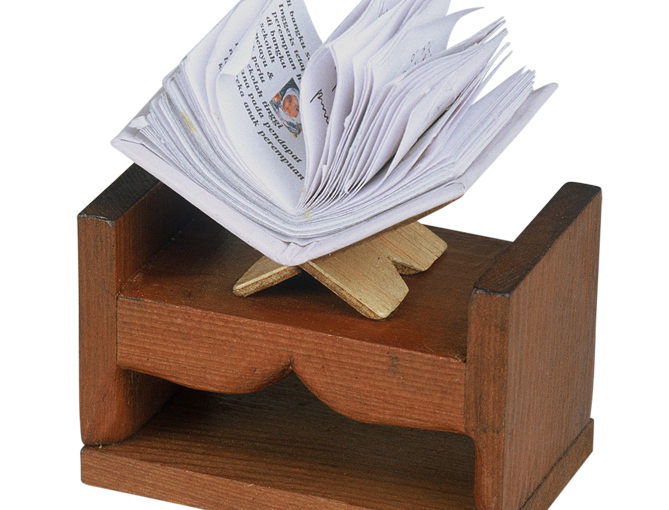
This exhibition has attracted women from diverse backgrounds, living in different sub communities in Singapore. Sometimes it is the difference that forms the focal point of inquiry. Some examples: Jane Gover’s work, Close to the Edge, is a communal effort with a team of expatriate women, and their reflections of the difficult passageway between home country and the new; Ketna Patel as a diasporic Indian with routes in Kenya (birthplace) and Britain, and now in Singapore as a practicing professional architect/designer. Her box is a collaged encasement of photographs taken over a period of time, with the selection revealing a constant self referencing with Indian women living in India where she visits regularly as a tourist; Ruzana Saini’s affirmative work on the progress of Malay Muslim women from illiterate to literate, and its connection to poverty and economic well-being; Kumari Nahappan’s work utilizes materials, such as turmeric, linked to her communal practices of Hindu rites.


It does not detract from the exhibition whether or not the women artmakers concede to the potential space as space proffered for woman – as – feminist issues. In fact, the WBB (international component) does not even mention the word “feminism” in their seed document, and a further elaboration of its aims are detailed below. What remains as a significant component in the process of making of the work, is that there will always be an unconscious contextualizing by either directly or obliquely looking at the relationship of women and their communities, when they forage within systems of personal knowledge and personal experience, to come to some comfortable or uncomfortable expression if not of themselves, at best, from themselves.


For who best, except the women themselves, can produce a singular notion of what women here have come to realize and would except or reject about them selves, whether this is what would could form to the standard of equality of another order, or meet ideas of values attributed to women in another society? This exhibition has a feminist face – when it opens up opportunities for women to express “with intent and content” – to look in the mirror and discover/re-discover themselves. Women, if pockets of them are marginalized, need to egress to locate their own needs, to form their own shapes, to mark out there own spaces in which they work, fight, live, love and die. Such platforms as WBB has this terribly important role of allowing a space for women to think about these things, and to think things out for themselves.


WBB Singapore was set up along the lines created by it’s progenitor Women Beyond Borders (WBB). WBB’s aim is to:


— Honor and document women’s voices and vision;


— To build community through dialogue and collaborations;


— To inspire all women to express their creativity.


The objectives in WBB Singapore were applied in two ways:


— That women here (with a basic residency of three years) express ideas of their “women” identities;For a number of these women that these ideas emerged through a collaboration with a community of their choice.


— The works and processes by which the final creations transpired reflect some of these aims but there are multiple “accents” and they certainly inspired different anxious readings.


The collaboration is not a communal engagement among ourselves, for a sense of communal energy, but a collaboration between each artist from and already engaged perspective and a lady community of her choice. This community may be male or female, make a prize of one other intimate person, or hundreds of strangers. It’s purpose was to, hopefully, activate an interrogation/examination with the collaboration of lay communities, of the woman in Singapore today and otherwise often personifies as success is, without trying to resort to and rely, on previous and certainly western, textbook understandings of women.


Prisca Ko’s work Constraints Faced by Contemporary Women surveys a female population who inhabits HDB (public housing estates). They make up a diverse group of teenagers, single, married women with and without children, retirees. Noni Kaur obtained images of male friends and family; Ng Siew Kuan initiated her collection of thoughts at the Kandang Kerbau Hospital waiting rooms and ended at the websites; Fazelah Abas Supaat reached out to a rape victim; Dorathy Lye and Ruzana Saini obtained their contributions from friends and family as did Ye Shufang for recipes passed down from mothers to daughters; Margaret Tan collected the hair from various hairdressers, Saraswati’s box, Tentacles, awaits interaction with its audience at Sculpture Square. The collaboration with lay communities serve to demystify art and to forge a communal energy already evident in the enthusiasm and spirit in which of the boxes were taken and that exhibition was supported, by women across communities here in Singapore. The collaborative effort reveals the seamlessness of a bonded community – whatever their situation in life and wherever they are.


But it also provides insights that may, help in formulating a relevant value – definition. Similar to what has been encountered in some women’s exhibitions here, there exists a tentative resistance by some women artists to pierce excepted notions and reformulate ideas of self and worth in a community.


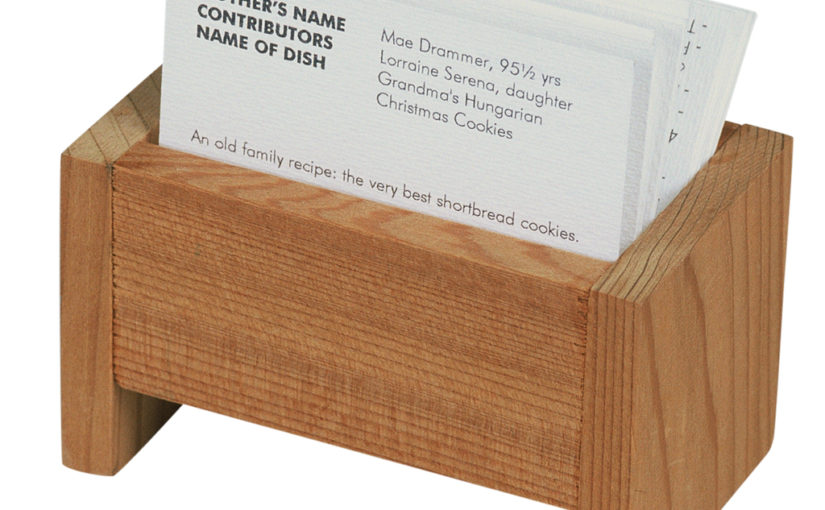
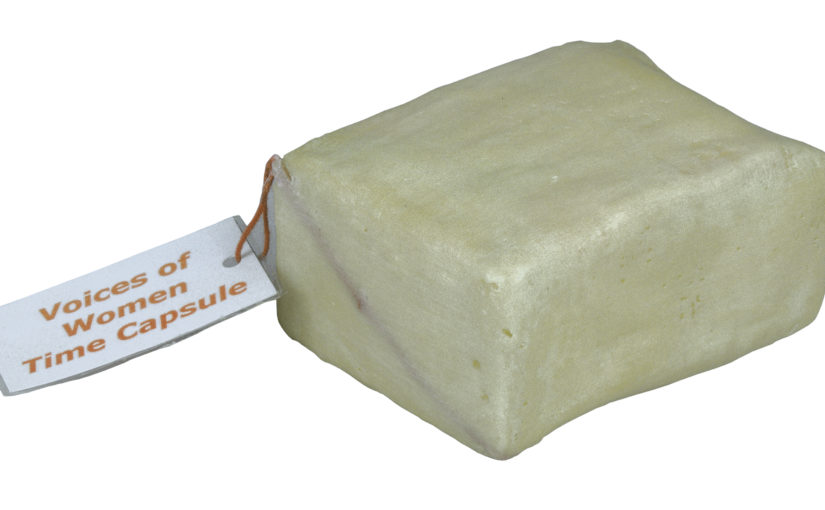
This is still evident in ways in which women artists present a self reflective expression from and embraced cultural, social site social or economic position – affirming there places in their respective communities. Kumari’s work Worship, is about “the mystical journey of life and hope”, reiterating and affirming the significant part that “self” plays in her religious practices. Ng Siew Kuan in her Voices of Women Time Capsule has stated that, at the outset, she felt it was not necessary to fight for equality, and she was just a “vehicle, a post box” for the collection of women’s written thoughts. Ho Soon Yeen’s Work, Transmitting Life, presents thoughts on the “genderless issue” of dying and living. Your statement concerns her father who has been ill and to whom the box is dedicated: “My Dad has been a friend since young being a traditional Asian man, he has never made me feel inferior for being female. In fact, he has allowed at the space to develop my potential as a person”. Ye Shufang’s work, Project Recipe Box – an ongoing piece, in which copies of the set of collected recipes will be exchanged during the course of the exhibition for a recipe from any of its collaborative audience – reinforces tradition but the ironic subtext title “mothers disguised as recipes disguised as art” questions this very position of value.


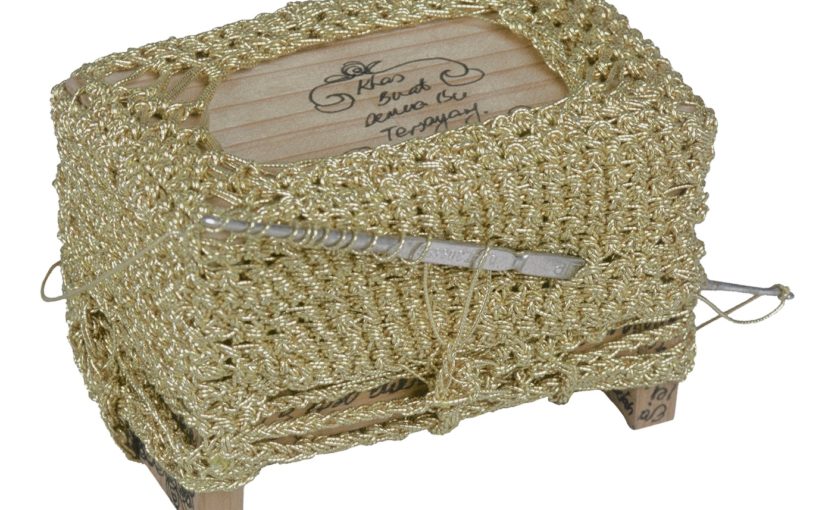
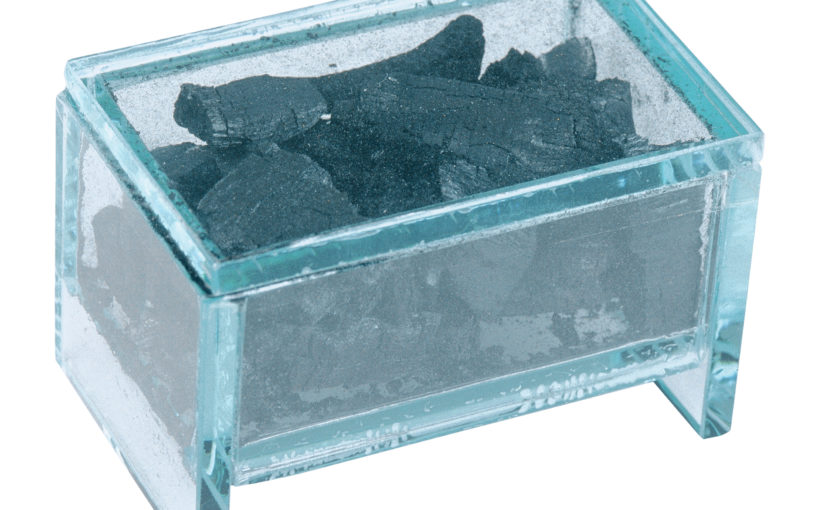
There are so many points on can be raised but space forbids it. Something, however, must be said about the glaring presence of this otherwise seemingly ubiquitous object identified with the exhibition. Of a standard size, diminutive in fact, the box can be transformed in anyway by the participant. It is the taking-off point of every participants work, a parallel to the framework and theme of the exhibition itself that she bears in mind. Interestingly a box had been considered as part of the body of metaphorical containers associated strongly with (or more accurately subsisting within) women’s art. Judy Chicago and Miriam Schapiro had discussed “theories about the high incidence of central-core imagery, of boxes, ovals, spheres, and “empty” centers in women’s art”. Outside of this, the box upon possession and handling by the artist, can seem as contradictorily as life – generating as the hope chest, or life – taking (the coffin). Whether the box should remain a container (something that keeps things in) or a prison (something to bind/hold things within) that is left to the artist to make out. Siti Annazia Hamsani, for instance viewed her gold-crocheted, and therefore, bound box as a “container for treasures, secrets, fear – feelings I dare not take out”. Suzann Victor sees the contradiction between the box and the concept of the project Women Beyond Borders that it represents: “the boxes inherently are about discrete entities/objects with their own definite boundaries, surfaces and edges. And these boundaries are walls them selves, not just an imaginary line or flat paths on the soil dividing countries not printed lines on the map”. Her work, in emasculating her box by fire and then re-interring the remains, deals with this “collision of concept and form”.
 

Something Out of Nothing?

Women Beyond Borders Singapore Catalog

Joyce Fan, Artist and Curator – SINGAPORE – 2001


The title of my essay is taken from Lucy R. Lippard’s article of a similar title where she discusses the definition of women’s “hobby art.” She questions the boundaries that separate craft and art, “high” and “low” art, and finally, “fine” and “minor” arts. Often, the process involved in the creation of women’s art fringe upon craft work such as crocheting, needlework and quilting, thereby blurring conventional definitions that are held in distinguishing crafts from art. This is perhaps an appropriate start here to discuss the transformed boxes submitted for the curated section of WBB Singapore where craft techniques are noticeably applied in several instances. Not only are such “lowly” techniques used, the basis of the project is a pine box of an insignificant size that measures 2.5” x 3” x 2.5”. Furthermore, the box as Suzann Victor remarks in her artist’s statement, is a contradiction to the aim of the project with it’s implied boundaries. Yet interview reviewing the submissions, the box does serve well as a point of departure for each women artist as she questions and ponders over its meaning and representation of formulating her approach. The project as well as the submissions turns out to have many possible readings. One of the more pertinent questions we asked is whether there is a feminist orientation discernible in these submissions, and if there is, how it differs from that demonstrated by local artists and by expatriates who live in Singapore for an extended period of time. And besides, being a woman’s project, is there then a feminist consciousness in the participants’ formulations, although the terms “woman” and “feminism” do not necessarily equate?
 

Feminism unfortunately, is still a term that is shunned by many, including women themselves, for what it embraces and represents. In art, it’s basic goal as stated in the 1970s was to “change the nature of art itself, to transform culture in sweeping and permanent ways by introducing into it the heretofore suppressed perspective of women.” There is a ring of protest and of implied activism that not everyone is comfortable with. In briefly surveying the art scene in Singapore, there seems yet to be a strong feminist consciousness among the women artists in Singapore although since the early 1990s, women had began exhibiting their works openly with artists like Amanda Heng and Suzanne Victor working in the feminist mode. It is only in recent years that more women’s art projects are undertaken. Amanda along with Saraswati Gramich and Ye Shufang among others founded the Women’s Art Registry that keeps a list of women artists in Singapore. Early last year, the Women’s Art Project (WAP) took place at CHIJMES in which Suzie Wong and seven other artists embarked on site-specific installations on the premises and later in the year, Earl Lu Gallery of the LaSalle-SIA College of Arts organized an international touring exhibition, text and subtext: International Contemporary Asian Women Artists Exhibition. A three-day conference was held in conjunction with the event that brought together regional artists and writers to discuss notion’s and concerns arising from women’s art practices. This has been by far, the most ambitious event focusing on women’s art. As part of this growing consciousness in Singapore’s art scene, Women Beyond Borders Singapore (WBB Singapore) offers another platform for the voices and expressions of women. Participants in this event are not only artist but also women from different walks of life.


Reviewing the objective set by Women Beyond Borders, the co-curators feel that WBB Singapore should be open to as many participants as possible. The aim and objectives are clearly outlined in Suzie Wong’s article proceeding this essay. We are not keen to set up a selection community as we hope to display all submissions. This means that we will have a little control over the outcome of the exhibition the choice of participants or the “quality” of finish boxes. after much thought and debate, we decided on having two distinct categories – a “curated” section and an “open” section. We are conscious that by doing so, we are creating “boundaries” instead of transcending them. Therefore from the onset of these categories act as logistical tools for the organization of the exhibition. To further overcome this “created” obstacle, boxes from both categories will be exhibited undifferentiated with the 125 boxes from the WBB permanent collection. Ultimately WBB Singapore is a woman’s project and not a fine art exhibition in the conventional sense where exhibits are amongst the best by established artists. For the curated section, we targeted our invitation letters to women who are practicing artists, young and established alike who continuously engage in expressions using the visual language. We impose a certain level of discipline and formal questioning in the matter that practicing artists approach the box. Being a woman’s project, emphasis is given to the approaches that incorporate a gender consciousness. At another level, the artist should engage in community as WBB is conceived as a collaborative project. Therefore, we requested for proposals outlining approaches that will be taken, and basing the above stipulations as selection criteria, we selected 25 proposals that will be Singapore’s contribution towards the WBB permanent collection, of which 24 are featured here. Despite good intentions by these 25 artists to be faithful to their proposals, not every work is realized in the manner it is originally conceived. For a few of the artists, the approach we stipulated in the intimate scale of the project do not fit into their schemes of working such as Han Sai Por and Jesse Lim, and/or due to unforeseen circumstances, they are unable to carry out the collaboration as intended as in the case of Mary-France Dumolie and Ho Soon Yeen. In other instances, the initial idea develops into more concrete terms and the final outcome proves surprising as in the works submitted by Parvathi Nayar and Fazelah Supaat Abas. Much to can be said of the level of enthusiasm exhibited by the participants as they take on the challenge in the spirit womanhood.


With the measures put in place, the boxes are given out in November last year and returned in early January. As Linda Nochlin in her essay “ why have there been no great women artists?” Emphasizes that “art is the direct personal expression of individual emotional experience, a translation of personal life into visual terms…” the transformed boxes demonstrated different levels of intimacy and of personal expressions. Recalling the earlier statement on the feminist goal in art, one can say that a feminist orientation is in highlighting the “suppressed perspective of women” can be discerned in these works, however, they do not actively engage the viewer in changing attitudes towards the status of women in society as in “transform[ing] culture in sweeping and permanent ways…” instead they question the representation of women and attitudes towards her, hereby challenging the viewer to reflect upon his or her perception of women. By discussing the works of five artists, two Singaporeans and three expatriates, I would like to examine their interrogation of the “self” and to reflect on how the level of questioning differs individually in this context.


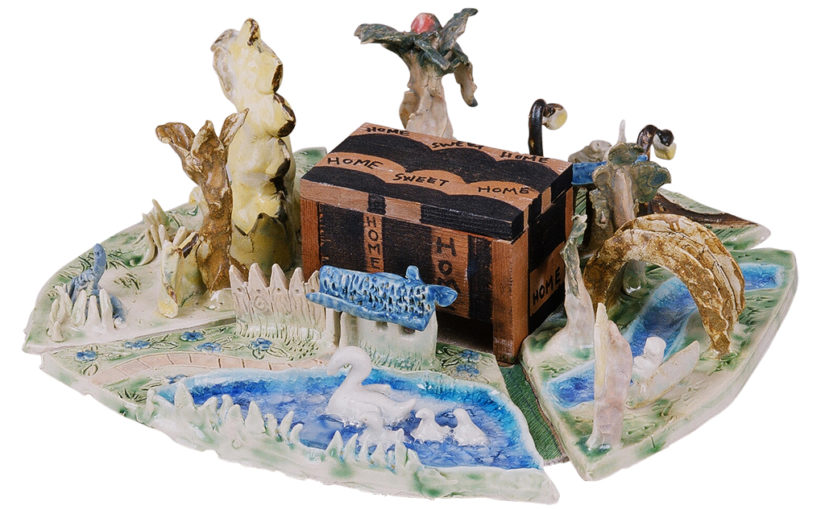
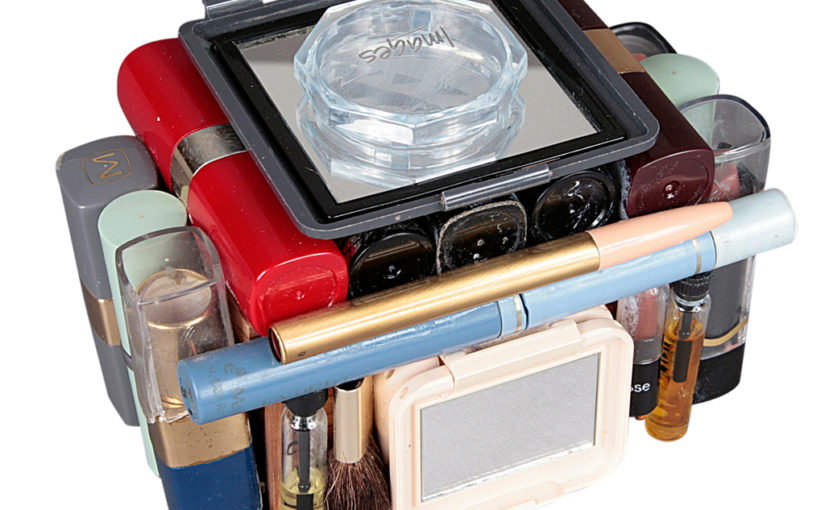
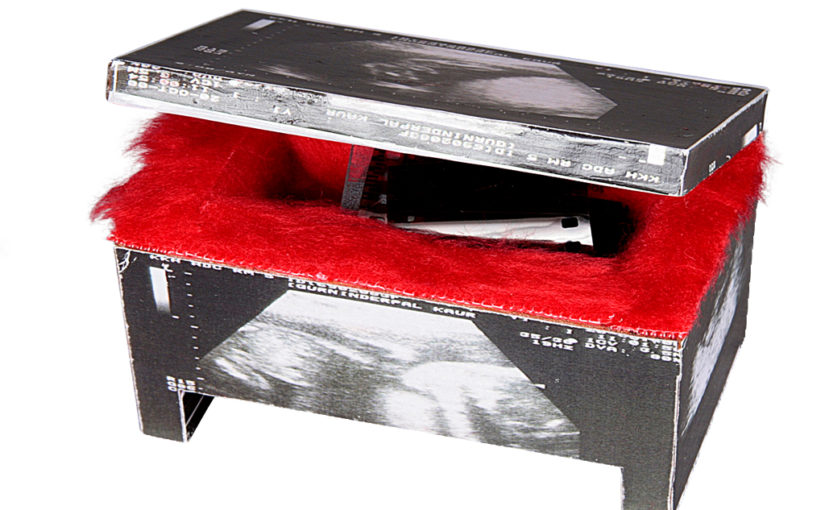
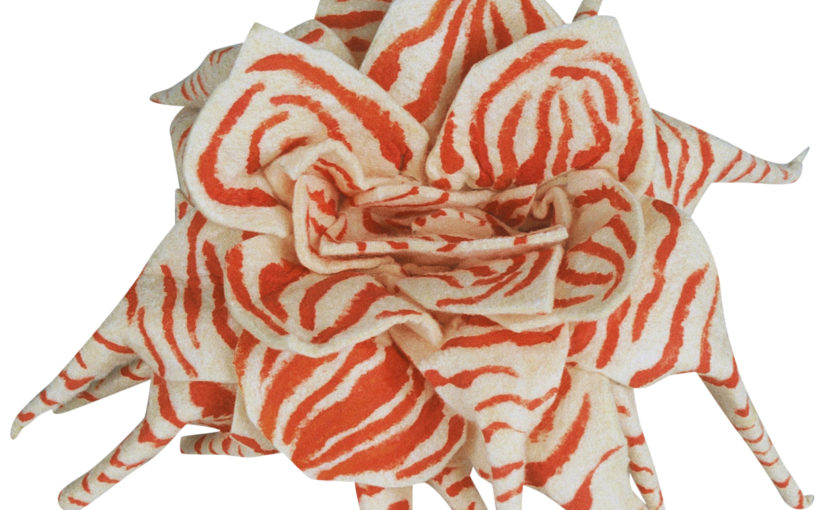
Among the works that interrogate the identity of women in the contemporary environment is I.T. Image Trap by a Annesa Connie Teo. Connie, who is now furthering her studies in ceramics in Australia, questions the images that we constantly portray to the outside world; whether we are happy to see these images and how we affect the people around us. Being trained as a visual arts educator, she cannot help but observe how strong the urges can be in her teenage charges as to forge an identity/image of themselves and for themselves. Inevitably consumed by commercialism, she asks to what extent “women are enslaved to project themselves as physical objects or are we confident enough to be looked upon as beings with enormous internal power to affect … our image conscious society.” In her presentation, she has created a flower form with stripped pedals struggling to get out from the confines of the box. She referenced it to it as a rose, using the familiar adage of a flower of beauty with its deadly thorns, and invites one to “unmask the trapped images within.” Posing a similar inquiry as Connie, Dorothy Lye focuses on the use of cosmetics as she unravels the different meanings to the term “make-up”: “the title of my work Make Up is chosen as it refers not only to the cosmetic we women apply to our faces; [the term also connotes ideas] of fabrication and supplement. Other meanings behind the words “make up” include: to collect, to put together, to parcel, to put into shape and to arrange, which tells of the process in which my artwork has been created.” Gathering old cosmetic items from friends, family and relatives, who intern help to collect from their friends, family and relatives, Dorothy sealed the original box with a collection of these objects. The box is treated as an unadorned woman, and with the attachment of each of the items, original surface is hidden from view. Eventually the box begins to look like a jewelry box, hinting at a woman hiding her “self” with cosmetics.


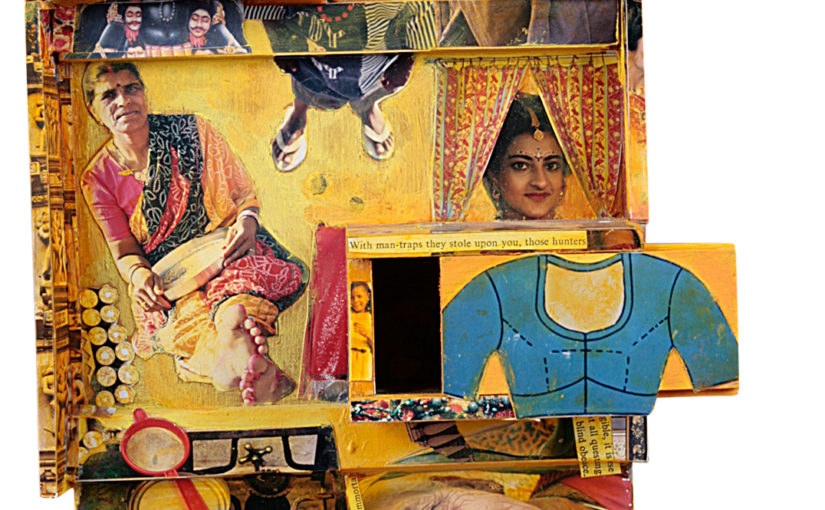
Ketna Patel’s use of imagining From a Picture Frame on my Mantlepiece differs from that of Connie’s and Dorothy’s. Mounting photographic cut outs on both the front and back of an old frame, Ketna tells a story of her life as a female Indian Diasporic artist. In the front of the frame, she begins life’s journey in a simplistic manner from birth to death. Based on the Hindu belief that for life to exist there must be death and distraction, and thus the image of Kali, the Goddess of Destruction marks the beginning. The original box forms a safe haven for the newborn child. The child grows up and soon she is to be someone’s bride. A second box acting as a dowry/treasure chest takes prominence in the center right of the frame, positioning marriage as an important event in traditional Indian society. Over it, Ketna pasted a photograph of a saree blouse, and the act of “undressing” of the female and transpires each time the dowry box cover is slid open, connoting to the wife’s act of submission and her duty. Death to Ketna is but an escape from the reality to which is referenced by an image of an elderly woman as she simply and quietly “slips” away. At the back of the frame, Ketna reveals the various aspects of her own life where the presentation contrasts with the neat narrative on the front. She juxtaposes photographs of get-togethers with family and friends, and her travels which she calls “memories.” By imagining her life against the conventional dictates of traditional Indian society, Ketna is conservative upbringing continuously haunts her as she tries to come to terms with her life and sense of displacement, having grown up in Kenya and England, and presently living in Singapore.


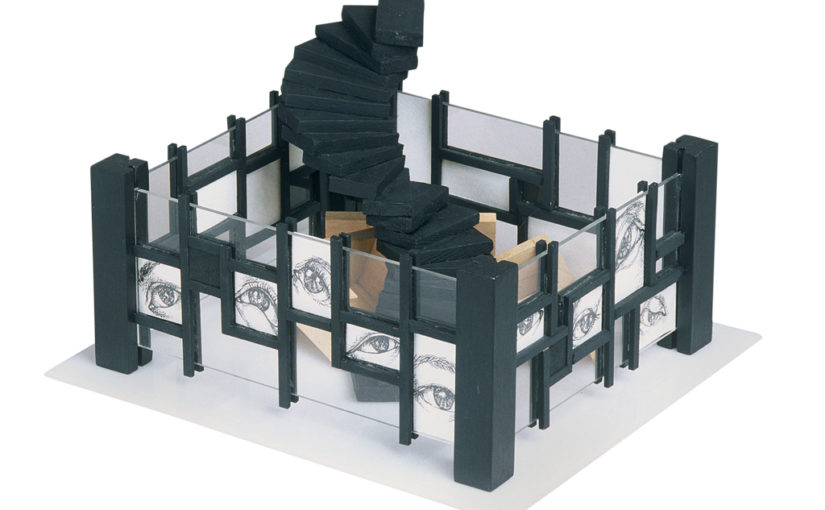
Another Indian artist, Parvathi Nayar deals with her sense of displacement. She currently lives alone in Singapore while her family are still in India. Realizing one’s need of comradeship and sense of belonging, Parvathi allocates importance on friendship. She questions the vitalness of friendship to her sense of identity, and gauges are friends in the discussion on their perceptions of her, her expectations, insight and support. She focuses on their eyes and draws and impression of them. She sees the army as an appropriate metaphor for watching, for caring and of insight. For community expanded to include her friends and family during her vacation back home in India. By breaking the box that she sees as a container for holding the things, notions, ideologies, her social and mental make-ups, Parvathi announces her transformation that took place during these therapeutic sessions in I/Eye. The act of breaking the box demonstrates her freedom from the cultural baggage she carries with her. Setting the box within the fence pasted with the eyes that she has drawn, Parvathi continues to acknowledge her personal boundaries, but finding strength in knowing the people she confides in will be there in case she strays.


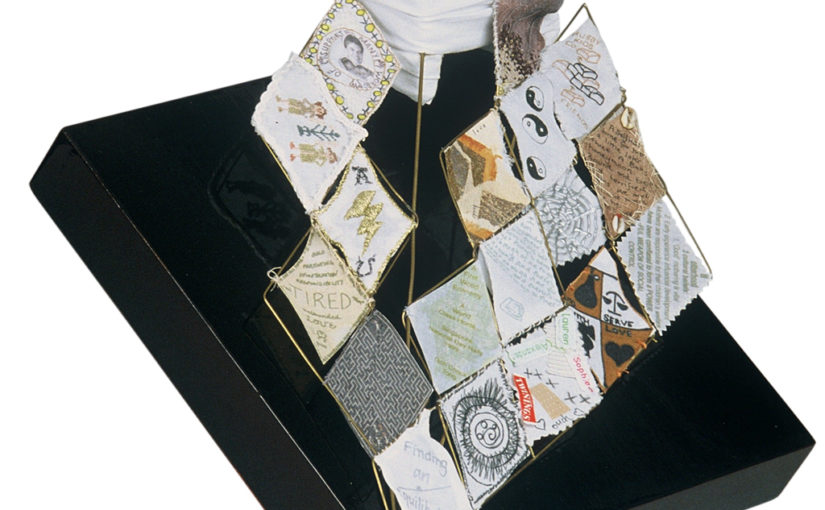
The notion of “self” is also explored in Close to the Edge by Jane Gover, an expatriate who has been living for more than 10 years in Singapore. She stresses the importance of having a network of friends “who are there to pull you back when you are close to going over the edge.” Jane approaches the project in a “quilting bee” manner where her community of expatriate women who she personally knows, created diamond badges expressing their experiences as mother is in there host country. Often these women express the stress of adjustment, of coping with looking after their young children and of mundane routines they find themselves slipping into. They seem to find their self, eroding, their individuality being slowly consumed by the demands of their environment, and of finding their solace in the family.


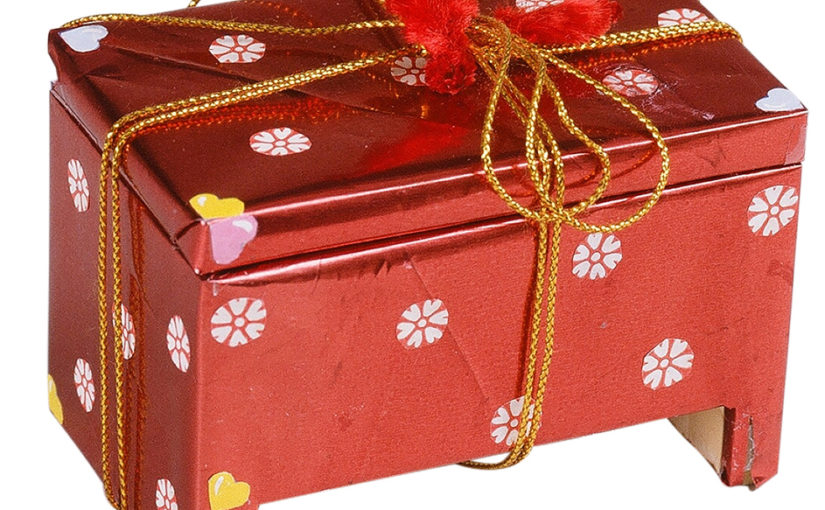
In summarizing these five works, the approach taken by Connie and Dorothy is more introspective then Ketna, Parvathi and Jane who deal with their concerns on a more personal level. The three left her artists submissions show how each of them deal with the process of adjustment and adaptation in overcoming the problems that they face arising from geographical and cultural displacement. This observation in the different levels of questioning can also be extended to the other submissions in the curated section. Each of the works offers interesting readings. I would like to end this essay by briefly outlining the submissions that are not discussed at length in both our essays: Marie-France Dumolie takes a philosophical approach in Floating in my Void which she dedicated to suffering Afghan women; Shufang with her collection of recipes deals with memory and nostalgia in mothers disguised as recipes disguised as art; Meley in a highly religious and symbolic work Restoration, hopes to restore the woman through prayer; Rossalyn questions the role of women in today’s modern society in Indulgence; Siti heals her relationship with her mother in Journey of Love while Yvonne questions the ideal body as portrayed by popular culture in The Parcel. WBB Singapore has turned out to be a challenging project through the efforts of those involved and it is my hope that visitors can come away from the exhibition with an introspection that “something ” has been made/done.


Women Beyond Borders – The Art of Community Building

Women Beyond Borders Website

Faye Shen, WBB Artist – SINGAPORE – 2001


Freedom. Love. Searching. Sex. Courage. Violence. Hope.


Such are the imaginations of women around the world captured in small, almost ordinary prototype boxes, transformed into poignant works of art and soul.


Women Beyond Borders (WBB) is a touring cross-cultural collaboration that celebrates womanhood by honoring her voice, her wisdom and her experiences.


Ten years ago in Santa Barbara California, Co-founders Lorraine Serena and Elena Siff drew their attention to a miniature wooden box sitting on a coffee table. Lorraine’s dream was to make community building her art, taking her “out of isolation as a singular artist into the world of collaboration.” She calls it “making art as if the world matters.” Her definition of art is derived from the Latin ars, artis: to join together. The WBB movement started via inertia as Lorraine and her friends worked through numerous networks of friends and family with the purpose of documenting and honoring women’s voices through the women’s works of art.


Today, the thoughts, aspirations and feelings of women throughout the world are encased in some 400 boxes from over 36 countries worldwide.


Each artist is given a similar miniature wooden box (3.5″ x 2″ x 2″), reminiscent of a hope chest -an American dowry box. These small pine boxes are then crafted into individual works of art that extend beyond the box’s confines – transforming a finite medium into an infinite expression space.


Completed boxes evolve into different shapes, colours, sizes and dimensions from the small pine box that they once were. More importantly, boxes from every country give the viewer a glimpse into the spirit and social climates of the lands. Those from Mexico are colorful and vibrant – reminiscent of fiesta and life, those from Afghanistan carry a deep longing for freedom, creations from Japan are provocative and chic, while boxes from Israel are etched with the Sabbath and spirituality.


Universal themes of the ideal woman, women’s roles in society, oppression, freedom for expression, hope, love, and religion are embodied in the creations. Rich and insightful local themes are also evident in works such as Singaporean artist, Prisca Ko’s “Constraints Faced by Contemporary Women. Her creation was modeled into a block of public housing apartments and sought to explore and express the constraints faced by contemporary women who live in public housing apartments – also known as Housing Development Board (HDB) flats – in Singapore.” She expressed her lack of physical space, and the constraints of “physical, emotional, mental and social to religious realms” in the various ‘units’ in her block of flats and the ampoules that they held.


On the other side of the world Lobsong from Tibet uses the symbols and colours of Buddhism and the produce of the land (barley and yak cheese) as she etches her religion and the simple abundance from subsistence living into her box. Diana De Solares shares of her existence in Guatemala as portrait of the Artist as a box (her heavily nail – armored creation) speaks of the physical violence and unrest around her and of her physical and psychological resilience to remain unscarred within.


“As the boxes are opened, so is communication,” says Lorraine. “The beauty of Women Beyond Borders lies in this spirit of support evidenced as women contact one another, exchange, collaborate, and converse as they come out of isolation into relation.” This exhibition crosses the boundaries of race, religion, caste, politics and geography as women around the world come to relate to their sisters though the viewing and the creation of art. A new understanding and reverence of women around the world takes root as one experiences the deep, intimate dialogue that occurs between artist and viewer.


Intensely personal stories of rape, abuse, and struggle are told at the WBB exhibitions. The late Hwee Choo – a cancer patient who had died before her box was complete – had her incomplete box exhibited in the WBB Singapore exhibition held at Sculpture Square in May this year. The words “Cancer is a terrible disease” were scrawled almost painfully and illegibly on the side of her box. “The illness is like the box itself,” said the artist’s statement. “Though the box may represent the ravages of cancer, the body still holds a bright and vibrant heart, undivided by the struggle.” Such were the intensity and the intimate outpourings found in many of the boxes at the WBB Singapore leg of the tour, and at all the exhibitions that preceded it.


Be it in a train car in Russia, or a temple in Katmandu, each exhibition has reinvented itself from place to place as the boxes continue their journey throughout the world, bringing healing and understanding amongst women and men worldwide.


“A womb, a tomb, a gift, a shrine.” These boxes echo the signs of our age, and tell the tales of womanhood in this century. They represent the collective voice of women around the world – honest, intense, sincere. Never to be ignored, and definitely not to be forgotten.


Box Above: Faye Shen – The Vessel of Light, Singapore, 2001


Floating in My Void

I look at the space around and expand to the infinite
All my senses curve in delight as I grow in the vacuum of non-event
Non-happening, non-existence.
I occupy the blue vastness of my dreams and become
Fatherless, motherless, a virtual Non-Being.
A hole in the lining of man’s memory.
A mere flight of particles liberated from density.
A definite escape.
And in the pulsating silence, I finally lift Isis’ veil…

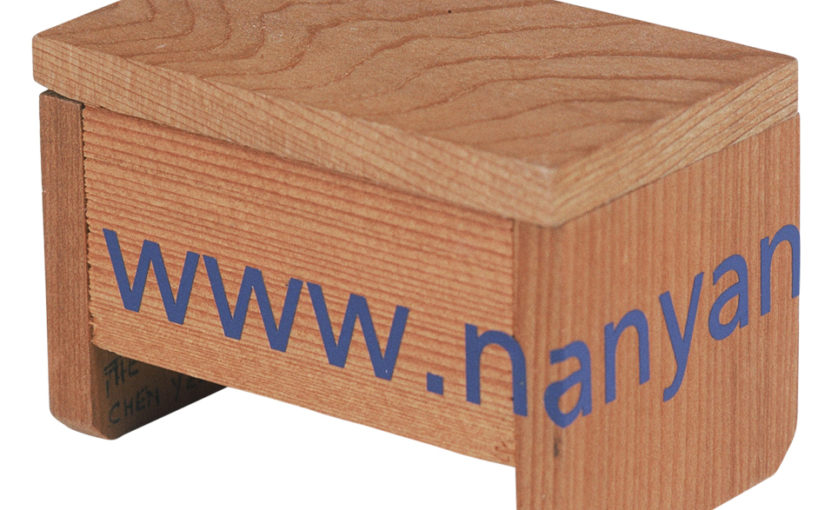
The Story of Late Chen Yuen Mei (Ma Che)

The work focuses on the life story of late Chen, a ma che or domestic servant, who came to Singapore from China in the early twentieth century. Despite having a hard life, she persevered for a brighter future. With her meager earnings, she supported her entire family in China, and contributed towards the purchase of 51 Neil Road. The premises housed the former Yuek Ann Tang which was a temple as well as an association that served as a refuge for ma ches; these women like Chen, were alone and poor. In her old age, Chen suffered from Alzheimer’s disease. Chen gains my utmost respect, not only for her contributions to the association, but also for her outstanding character. She demonstrated strength and perseverance throughout her life. The work aims to develop an invisible space beyond the box, and includes a web site that walks one through the places where she lived. To fulfill Chen’s dream of a grand funeral and send-off on her last journey, the box serves as her coffin.


Seeing

Seeing is believing.  While communicating with community, the residue I experience?  It is the vital input that I am going to develop mutuality with my community at all times. And, the control interaction with relationship.  The mental collection of past and present is an endless experience. To contain the invisible content of the input and output of the experiences I encounter. Therefore, the reflection and exposure is to show the multiple irreversibility of the community through mental forms.


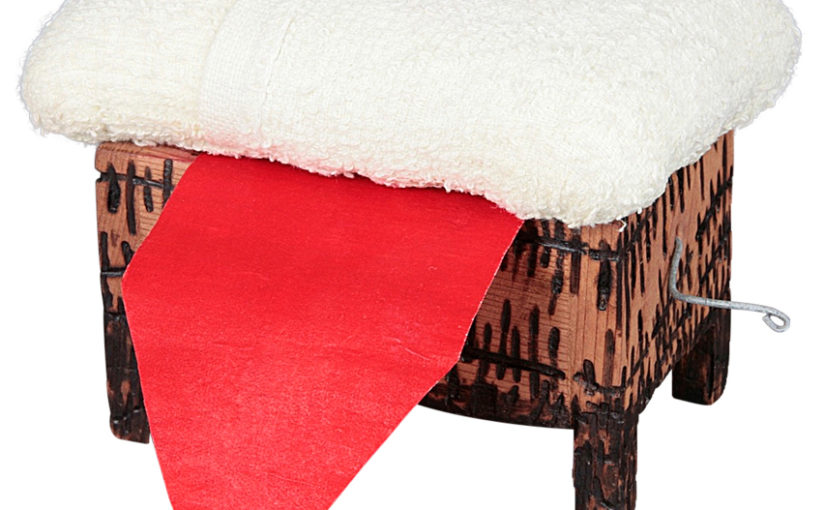
Transmitting Life

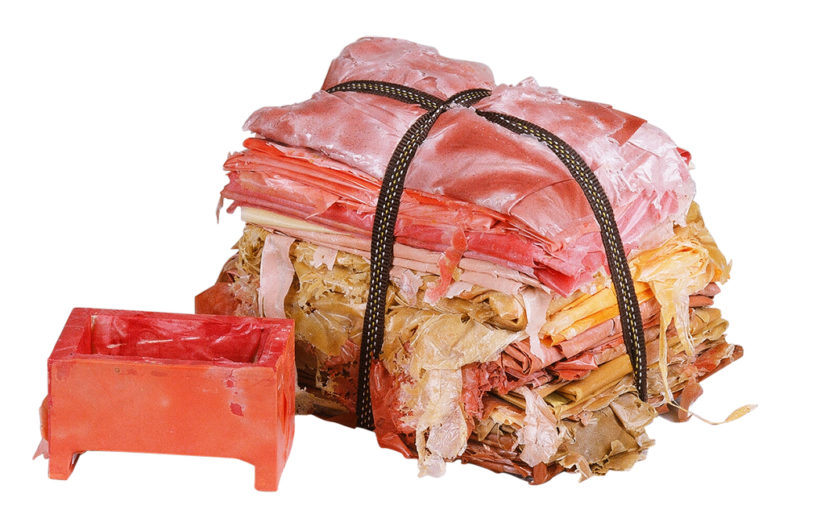
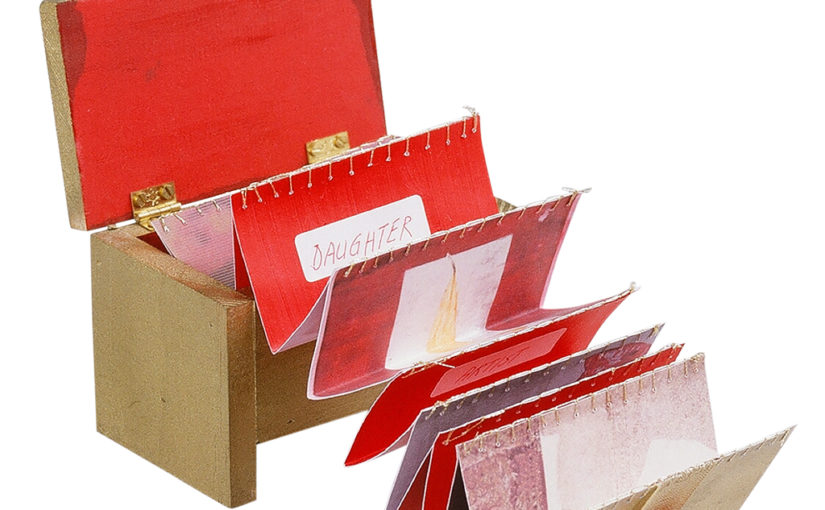
This project is dedicated to my father. My dad has been a friend to me since I was young. Being a traditional Asian man, he has never made me feel inferior for being female. In fact, he gave me the space to develop my potential as a person. This work allows me to express my reflections on my dad’s failing health. Initially, I wanted to portray the notion of dying, but through prayers and time spent with him, I realized that even though his days are numbered, his undying sense of humor, his child-likeness, and his concern and love for the well-being of his loved ones have never diminished. Through his dying, I gradually learn to live; not to escape but to be present and available to my family. The red paper signifies the vibrancy of life which my father shares with me. In a symbolic gesture, visitors are encouraged to touch the paper and get their fingers tainted and red.

Dice of Life

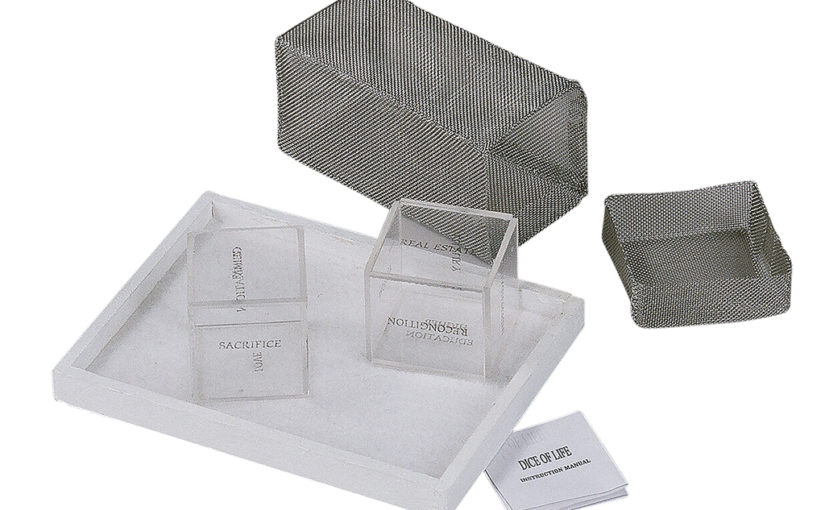
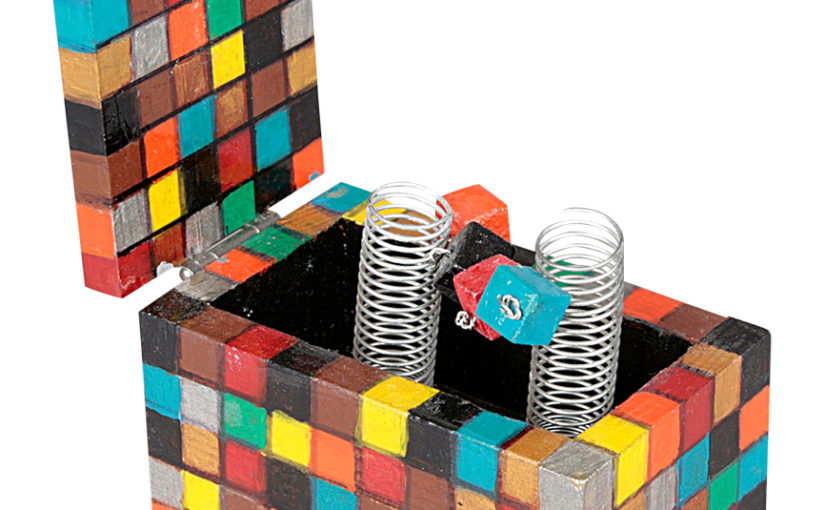
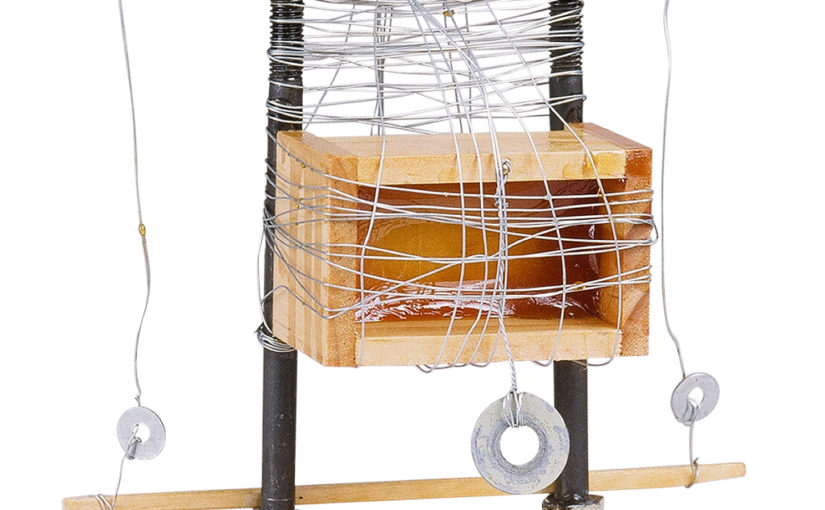
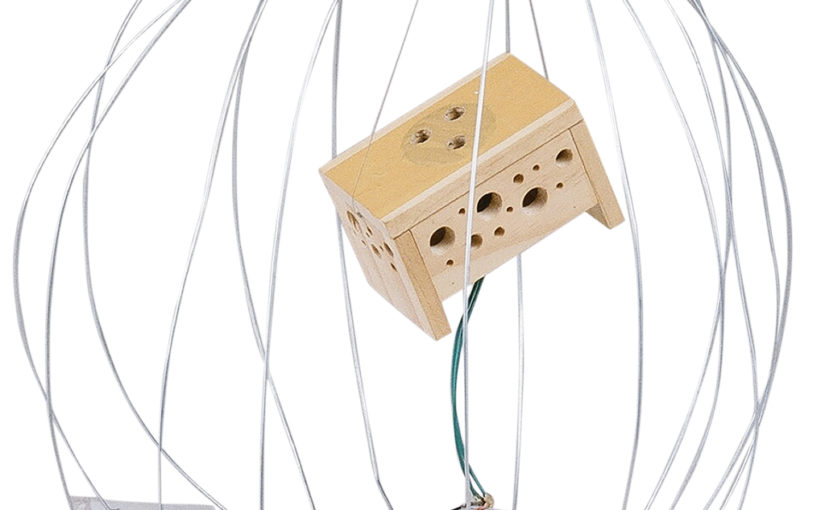
Dice of Life represents the various facets of life and the decisions people have to make in life. The wire mesh box represents institutions in which we are governed by: society, family, government. The dice represents the different phases in life and the kinds of decision we have to make. We make decisions every day and for each decision, the outcome is unpredictable. Like throwing the dice, we do not know what the answer may be. Every decision is very crucial and often there is no turning back. But once decided, this decision will be carried out, maybe for the rest of our lives, or maybe part of our lives. Whether the outcome is good or bad, it is up to us to make something out of it. This work is personal for me as I was once a single working lady and had to make a sacrifice in order to have a family.

Indulgence

This project is based primarily on my interaction with family members – my mother and sisters. I have chosen to engage in this community and my interaction with them started more than twenty years ago. All of them now are working females, already spending half their lives working, financing their flats, maintaining households, and taking care of children and husbands. Growing up in such an environment has prompted me to have many thoughts. As an artist and having the privilege to express, I included this engagement in my artwork to reflect and to question the roles of women in our modern society today.

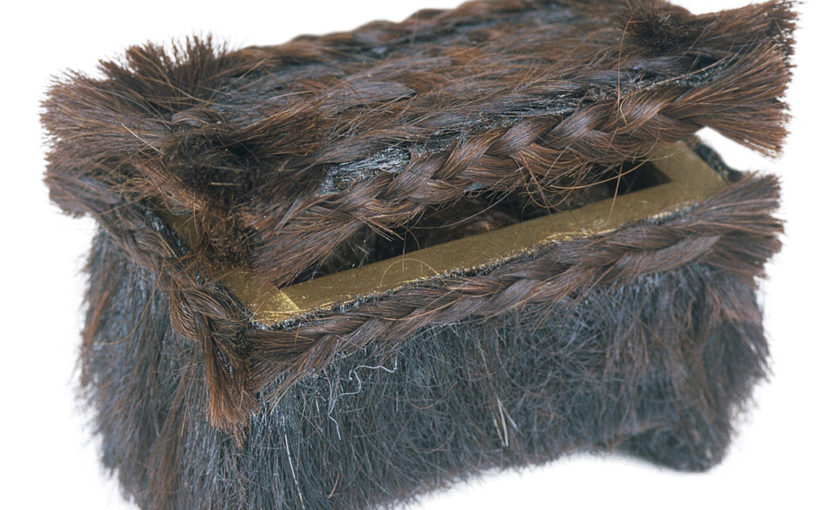
Abject Expressionism

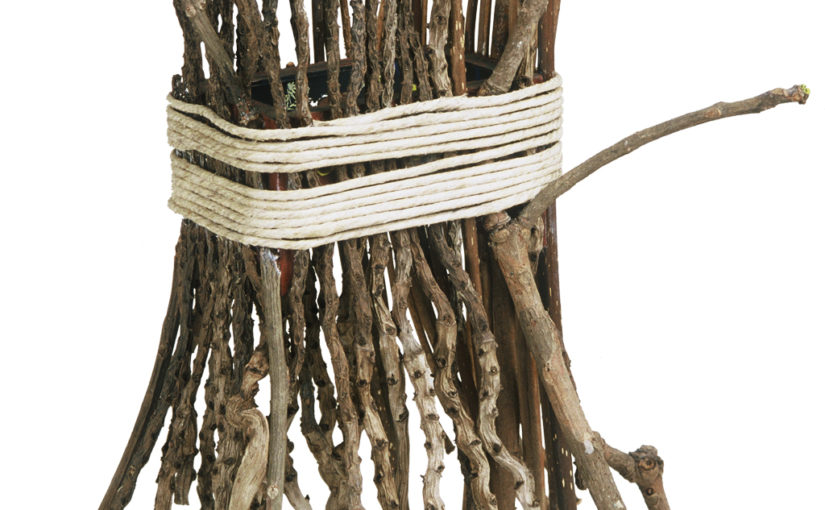
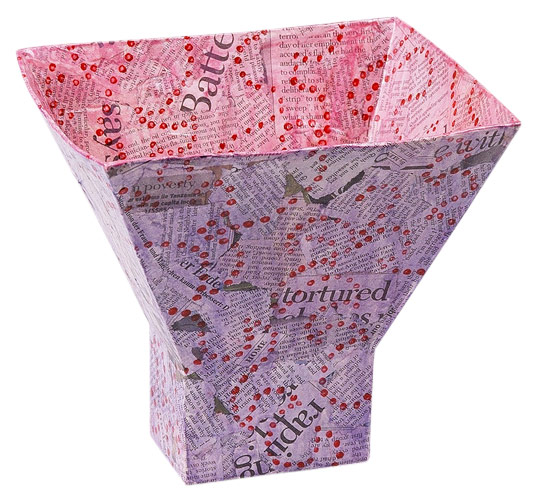
The workings of a patriarchal symbolic system have long associated culture and mind with the masculine (esteemed), and nature and body with the feminine (constantly devalued).  This work attempts to reevaluate that which is defined as inferior by deliberately using a body part that refused to fit into any particular definition. Hair– a symbol of sexual prowess (or lack of for the Western nudes)– also acts as a “momento mori”, marking lack. It is a significant abject material, highlighting the slippage between opposites, the living and the dead, the sensual and the repulsive. Because it stands at the borderline separating the inside and the outside of the body, it holds simultaneous powers of fascination and horror. The weaving and braiding of hair in this work act as a metaphor for the bonding and networking amongst women.


Project Recipe Box

This is a collaborative effort by mail/email, having started in December 2000 and will conclude December 2002. It asks participants to contribute a recipe from their mothers. The word recipe is open to interpretations: memories/ remedies/ conversations that occur in the kitchen/ contents of a pre-packed lunch/ etc. This is a simple project, based on a chain of words – women/ mothers/ cooking/ kitchen – used within a simplistic context of a stereotype, there are many distinct and different identities. In a kitchen, each woman develops multiple and complex ways to deal with the role of mother cooking. This role (one associated with sugar-coated sentiments) is also the same role that allows a woman (who may have been defaulted into the kitchen) some measures of control over her family. The kitchen can be a very powerful or oppressive place depending on the woman occupying it. I would like to think that every mother occupied it differently. I hope that this project (a small and incomplete record of their many facets) may serve as a humble but deserving tribute to all our mothers. And if it fails to do that, it is at least, a collection of recipes to some very delicious and precious dishes.

The Women's Voices: Ye Shu Fang from WOMEN BEYOND BORDERS on Vimeo.

The Vessel of Light

The vessel of Light is a woman laid bare,
she is a city on a hill and a lamp on a stand
See her light from within and praise her creator.

The vessel of Light is a soul pure and true,
Her charm is not fleeting and her beauty never fades
For they come from the fear of the Lord.

The vessel of Light is scorned by the world,
For her beauty is not outward and she does not seduce
And the darkness on earth cannot understand the light.

The vessel of Light is set apart in the world,
In the darkness of the night, she shines like the sun
For she lives not for pleasures of man.

The vessel of Light will live on forever,
With others much like her too,
The song she sings to the world from the Lord
Is as much as for her as for you.

Her light never fades, and her joyous song never dies
For what is physical will pass away,
But what comes from within, shines eternally
From her Salvation, she’ll never stray.

If you see her Light, please don’t turn away
The glory is not hers she says,
It comes from her salvation in The Light of the world,
And it could be yours too today.


Women's Voices: Faye Shen, Singapore from WOMEN BEYOND BORDERS on Vimeo.

Bacalah!

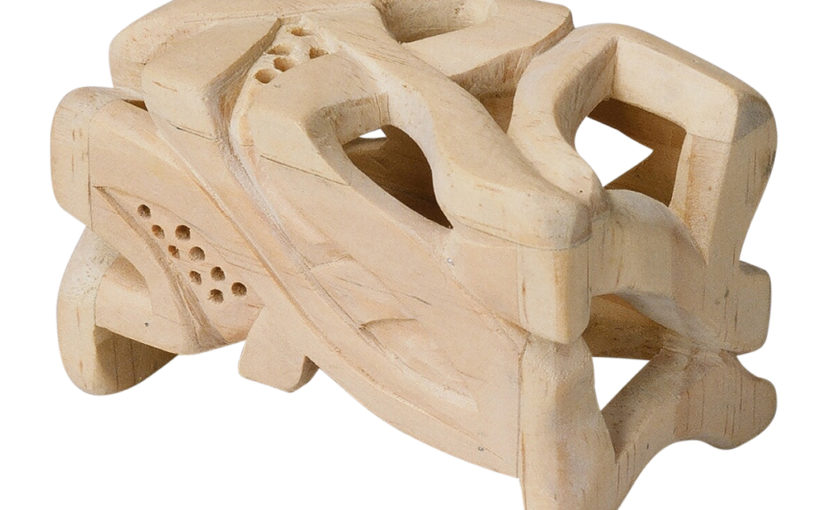
The contemporary Malay woman has been able to breakthrough poverty and tradition, from being illiterate to literate. Through the education system, the contemporary Malay woman has contributed to the community through her professional practice/skill. By using a box as a boundary confined to a space, I have inverted the box and carved into it ‘half ‘ patterns to imply the act of being out of the boundary. Entitled Bacalah! which means read, the journal resting on the box represents the spread of knowledge to the masses through a learning process. The inversion of the box with the journal alludes to the breakthrough that the contemporary Malay woman has made and that she is no longer being confined. As learning should start at a tender age where ‘the children of today shape the community of tomorrow’, an image of a child appears on the open page of the journal. The documentation for this project reflected in the journal was carried out in the form of a survey among Malays and non-Malays on their perceptions of the contemporary Malay woman.


96 and 4 Extra

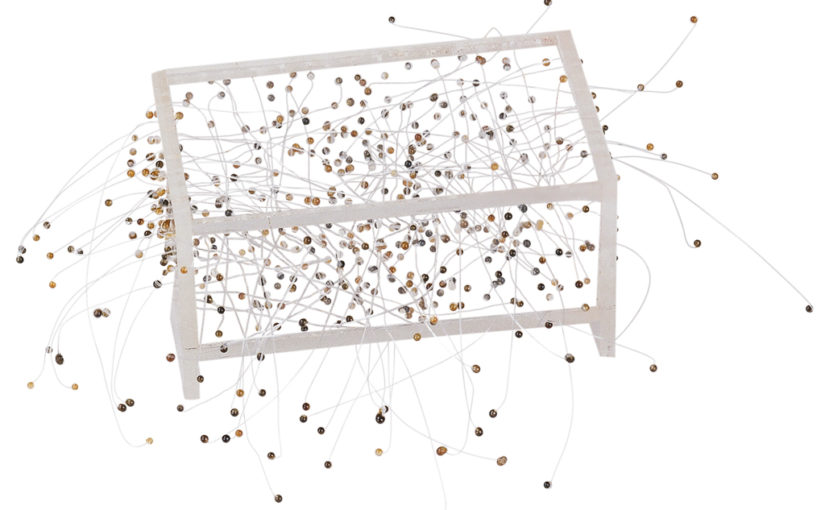
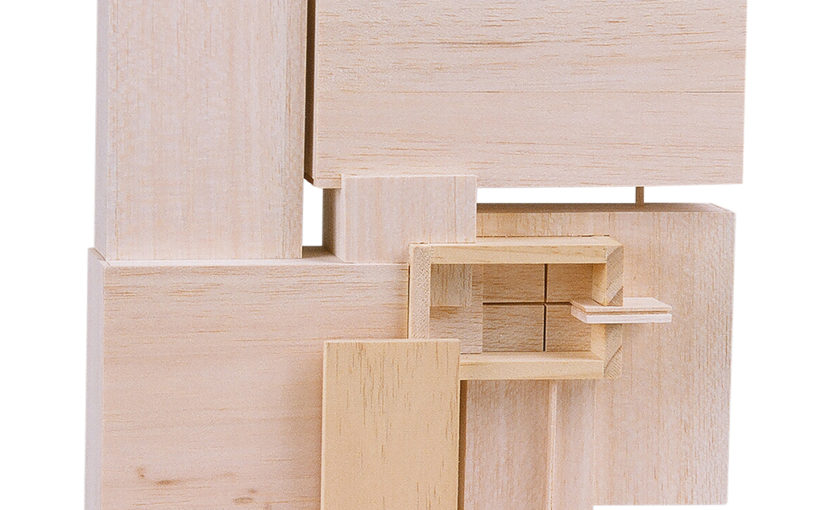
The negative space inside the box is able to contain 96 cubic centimeters of particles. If more particles are added, the pressure inside the box will increase. When the box is opened, the pressure will push the extra particles out. A similar reaction will happen to a human being who experiences physical and mental pressures. When the society, culture and family exert pressure on a woman, she faces physical and mental exhaustion, thus making her unhappy. But if she is able to release the stress, the force can be transformed into useful energy–just like the box, she can live a colorful and creative life.

Singapore Sling

My box sculpture represents my past and my hopes and dreams for the future.  Now I am caught in the middle as I work in Singapore as a domestic help.

It is the thought of my children back home in the Philippines (that’s why their picture is here) and my dream of having my own restaurant in Manila that keeps me going.

I-Eye

I/Eye is one destination of a journey, the result of dialogues with a group of close friends and family. It is a fluid look-see at the emotional, intellectual and artistic issues of life; equally, a way of looking at my art and myself. I saw the box as very personal, as the baggage or the tools, both good and bad, given to me, with which to live this life. I have set this box within a fence that is open and yet enclosed, transparent, yet opaque. It marks personal boundaries. On this fence are the eyes of friends and family sketched as we talked. Their presence is about seeing eye-to-eye, or not, having them to look out for me, helping me to look at myself with creative eyes. The box was always meant to be the most transmutable part of my project, it did change, move and let itself be affected by this interactive process. Its final form, then, is one that signifies growth – a sort of literal ‘breaking out of the box’ to explore one’s potential, whatever that may be, wherever that may lead.


Worship

I see the work as a process linked to the practices of a community. The reflection of self and interaction with community run parallel to the notion of time and rituals. The work explores the idea of a mystical journey of life and hope. Imbued with energy, the yellow box is evolved around acts of cleansing, purifying and healing. The choice of materials used in this work reflects this concept.

Make Up

The title, Make Up, is chosen as it refers not only to the cosmetics we women apply on our faces, but also to other connotations–to fabricate, to supplement, to collect, to put together, to parcel, to put into shape, and to arrange–all of which formed part of the process in its making. Make Up looks at the notion of wholeness with reference to the obsession in women to be or to be seen as psychologically and physically sufficient. The mirror on the top of the box reflects the viewer’s face, thus engaging/making him/her as a subject. Hence, the artwork questions a woman’s need and her behavior in wanting to “fit in” through the act of supplementing her appearance with cosmetics. Is the woman’s quest to Make Up her complete self destined to fail?


Life Beyond the Box

A heart that is closed within myself…
Fostered by the many changes of my life
What is Life Beyond the Box?
Nothing but a complicated colorful world.

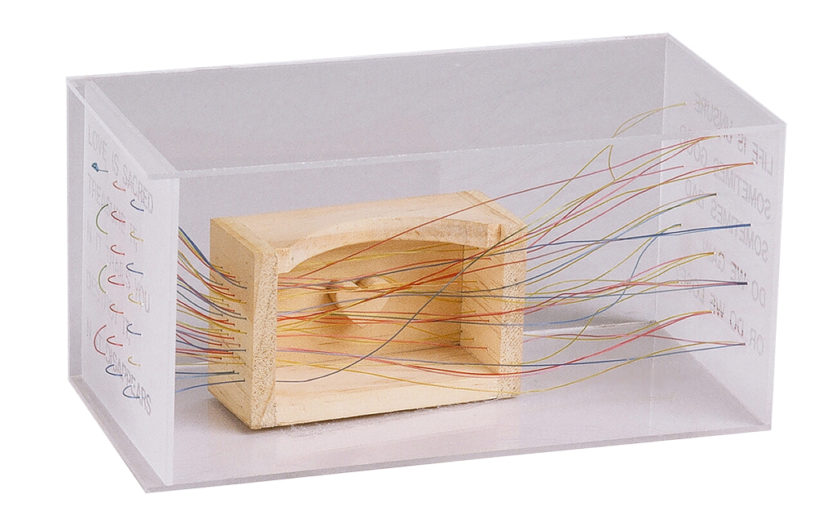
The wooden box has been left to its original color to represent the simple me. The colorful nylon lines are communication lines between my community and me. The intensity of the lines on each side of the box symbolizes the importance of the communication level. Phrases have been inscribed onto the acrylic panels to reflect the views of Life.

The Ideal Women

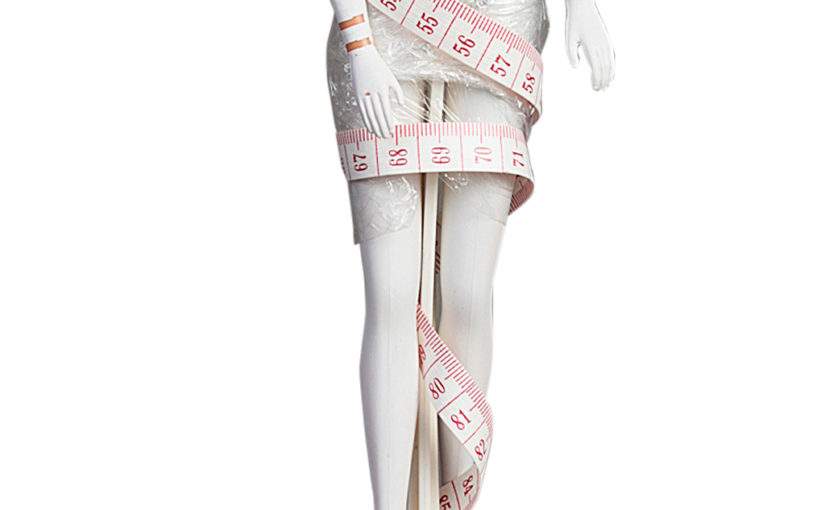
The work challenges the notion of an ideal woman and our perception of a perfect appearance. The Ideal Woman exists today in various forms.  The construction of the ideal woman is constantly propagated by the media, mass culture and social standards.  Reconstruction with corrective surgery, Cyber-heroines modeled in the realm of virtual reality, Plastic dolls with envious 38″-18″-34″ dimensions are but just a few examples of what influences our conscious psyche.

The box presents a metal pedestal upon which women fixate the psychological image of an ideal woman.  The proliferation of body types littering the box illustrates the quest to attain the ideal image through various stages of her life.  The doll parodies a woman’s fixation with her own body and her quest to find the perfect body.  Swathed in slim-wrap, draped with a tape measure, the woman is never satisfied and the craving for the image of the ideal woman never stops.

So, pause!  What / who / where is the Ideal Woman?  A fiction of our imagination, mostly.

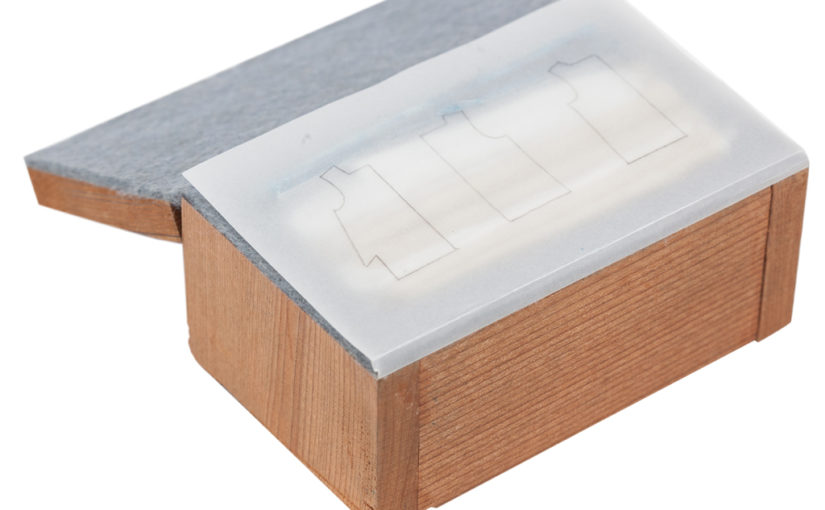
Parcel

My artistic endeavors dwell on questioning the ideal body portrayed by popular culture, by way of designing and making prosthetic garments that allow small people to be what they are not; awkwardly tall, beer-gutted, seat-spillers and generally voluminous. The combination of humor, formal relationships and social commentary are also mixed in most of my site-specific installations.

Today Women

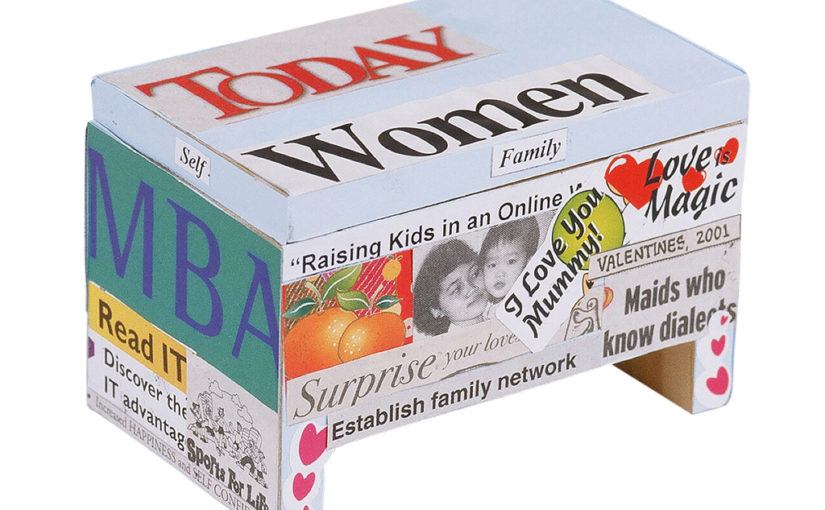
Women in today’s world have various facets, she is expected to fulfill multiple roles and there exist many issues which demands her time and energy.  The 4 sides of the box depict today women various circles of concern;

Family- She has to fulfill the role of good daughter to her parents, a loving wife to her husband and of course, a caring mother to her children.  She doesn’t only need to spend quality time with each but is also expected to keep in touch with their worlds, traditions and trends. Hence, observation of traditional customs such as Chinese New Year, celebrating Valentine’s day, knowing the difference between Ash, Pikachu and Teletubbies…the list goes on.

Career- She is naturally the co-bread winner, especially in Singapore’s society. In a knowledge based economy she has to fulfill the expectations and obligations of a model employee. She is expected to be efficient, innovative, receptive to the ever changing corporate identity (mergers and acquisitions making it more exciting), requirements and culture.

Social- In between all the juggling, she keeps herself updated of the news, happenings, fashion, trends, movies, television programs (even if she has no time for them–at least she must know what’s showing!) And definitely, squeeze in time for friends, neighbors, and maybe even some charitable work.

Self-Intellectual/Spiritual/Physical- In an increasingly borderless world, life long learning is becoming the norm–continuous education, for the diploma holders–the dream is to obtain a degree.  For the degree holders, the aim is to complete an MBA, for the MBA and MSC holders–a Ph.D.? Today, women must keep in touch with the internet world–or else she would be lost in the sea of information.

Health is important too–so time is needed for exercise.  Of course, not to forget spiritual needs as well.

Reflection- Today women, to perform her roles well–is that a challenge or an expectation?  In today society, there is no other alternative, so today women must make best of whatever resource she has, develop her skills, increase her knowledge and extend her circle of influence–with the sole objective of playing her roles well.


Tran-Sisters

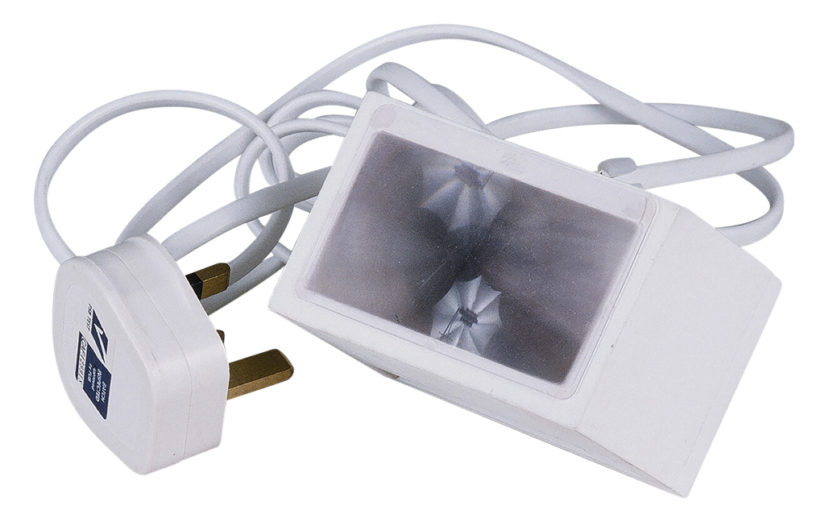
This is a continuation of my Hole Project which started, and the beginning presented, in 1999. The holes drilled on the foundation parts of the box represents the idea that life is full of little openings.  The transistors (primary device for amplifying electronic signals) represents the idea of enhancing the message of openings we find in life. The interconnection of the 3 (number 3 is one of the lucky numbers for me) parts of the box represents interconnections that we beings can engage in among ourselves, to promote the attitude that there is hope because we find openings.

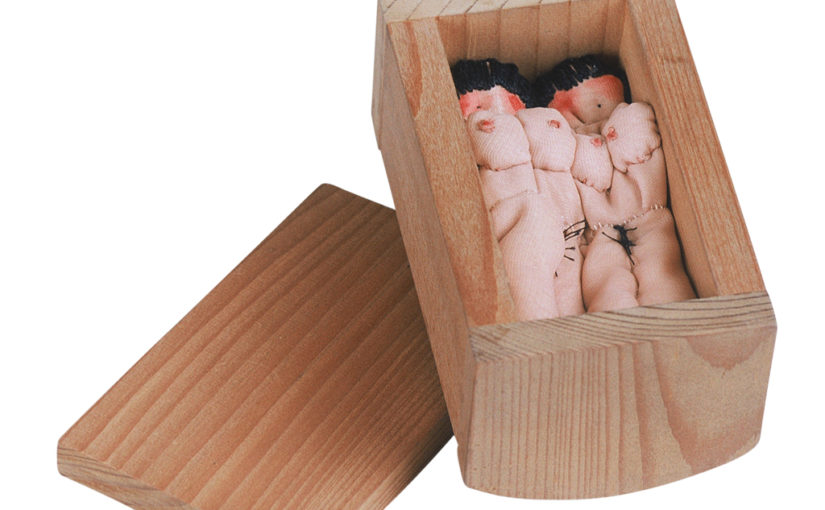
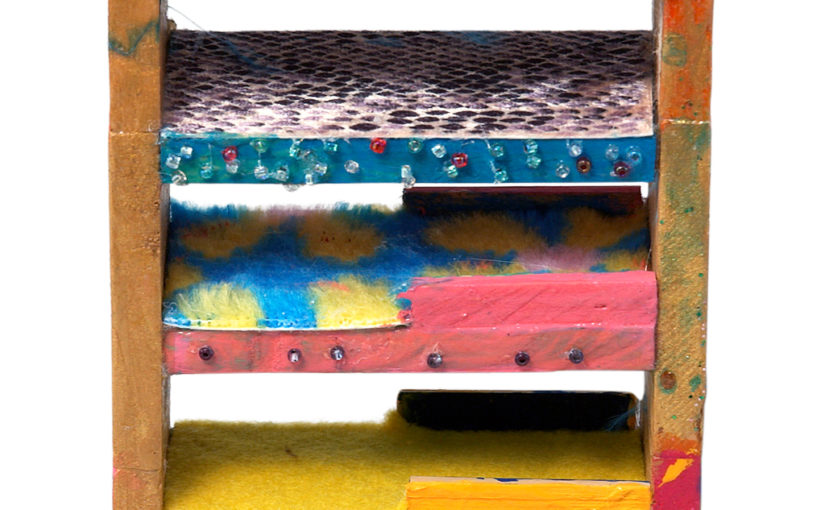
Family Bed

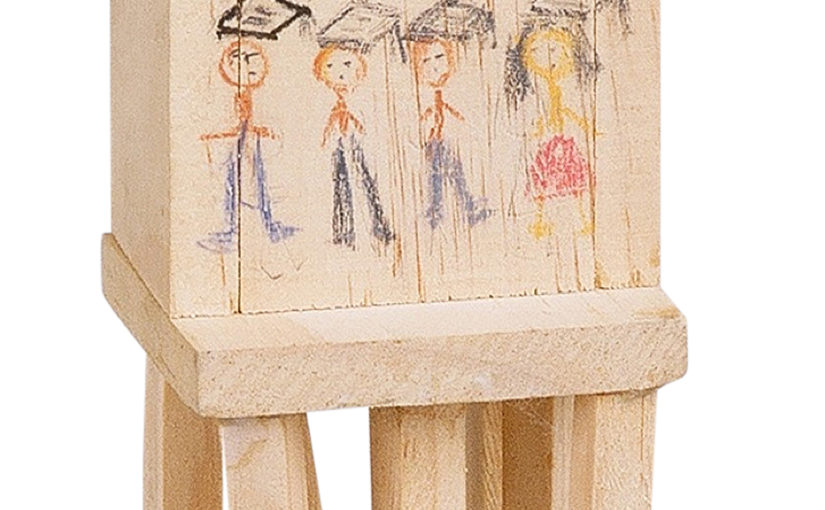
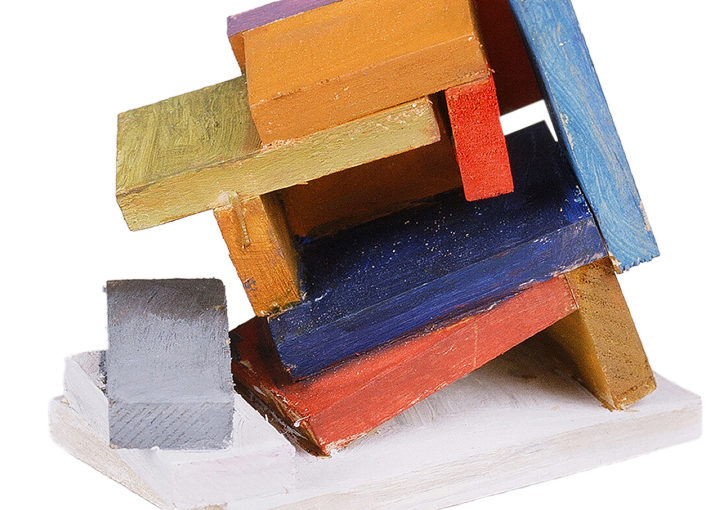
I’m three years old. I made a five-decker bed because I want my family to be together. My papa works in Jakarta four days a week and I miss him. I also love double-decker beds but papa said it is too dangerous for children my age. A five-decker bed will be nice–everybody can sleep together and Babybathtub (my doll) can have her own bed. I wanted to have a five-decker bed and mama helped me saw the box. Papa is very old, his bed has many beads–my hands get tired and Nadene che che helped me with the sticking. My bed has three beads because I am three years old and Babybathtub is only two.

Pat Chen, Regina Law’s mother

Restoration

In Christian vocabulary, the term restoration means bringing oneself back to God who created the earth; saved from darkness; beings in the light; and bringing blessing to this world. This work, by a small community is an offering to the Almighty Highest in the first year of the twenty-first Century. Participants of this community came together to pray for needs that they observed from the mass media. This community and the artist share one faith and believe in the same God. The Box thus represents their prayers which are burdened with the sorrows of history and which brings hope to the future. It is likened to a funeral of sacred history and a birthday party of the new history makers.


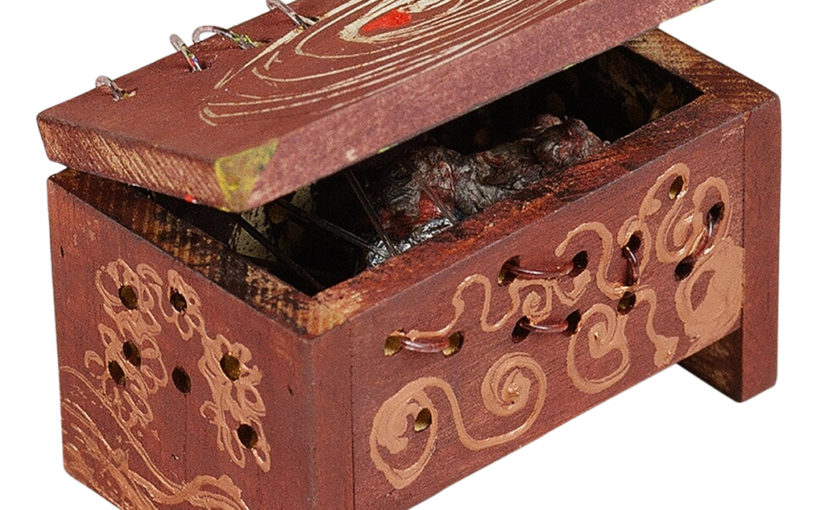
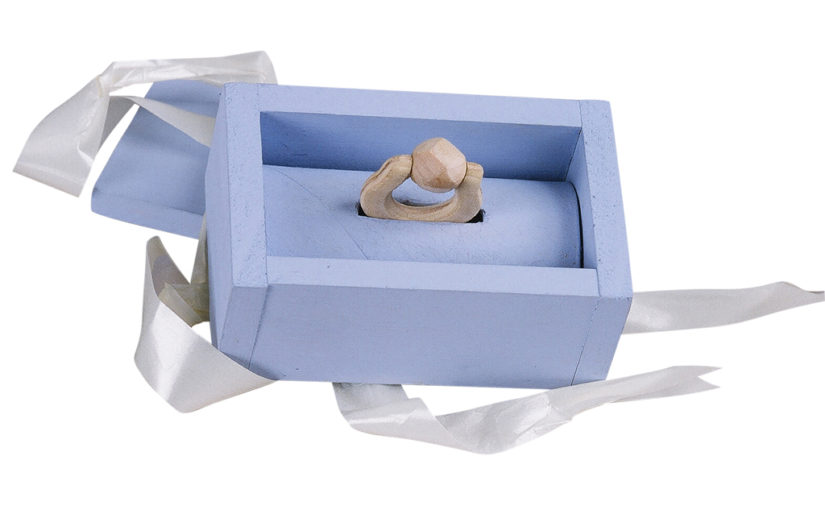
A Chinese Bridal Chest

In ancient China the mother of the bride had to give her daughter two chests of clothes on her wedding day to accompany the bride when she went to the bride-groom’s home.  The two words ‘Double Happiness’ had to be pasted on the two chests.  These beautiful decorated rectangular chests would be carried manually behind the bridal sedan chair followed by a group of musicians.  These chests would be supported by long poles placed on the shoulders of the two male carriers.  On arrival at the bride-groom’s home the mother-in-law and other relatives would inspect the contents of the two chests.  Then the bride’s family background would be assessed or usually criticized because of the poor quality of the clothes in the chests.  How the mother-in-law would treat her daughter in future would depend to a great extent on so called ‘dowry’ of the bride.

Beginnings

…woman’s sexuality, as spectator, must undergo a constant process of transformation. She must take, as if she were a man, the phallic power of the gaze, at a woman who would attract that gaze, in order to be that woman…

An attempt at examining issues pertaining to female sexuality, sensuality, cultural attitudes and ideas are my main concerns, which include the engagement and celebration of the body.

…a journey, which is both a conscious and subconscious process, through my body prints and food spices installations. These are born out of trans-cultural experiences and transcend apparent boundaries such as the celebrations of the human form and sexuality and sensuality. Whether or not femininity results in an unconscious symbolism, I choose to work with components of a visual vocabulary to achieve works in personal content that can be read by a larger audience.

I still have to question every assumption, every reaction I have, as a result of being culturally conditioned. The expression of my sensibilities and concerns is not a politicized feminism but more of a psychic bonding to my femaleness, Amen.

Endless Beauty

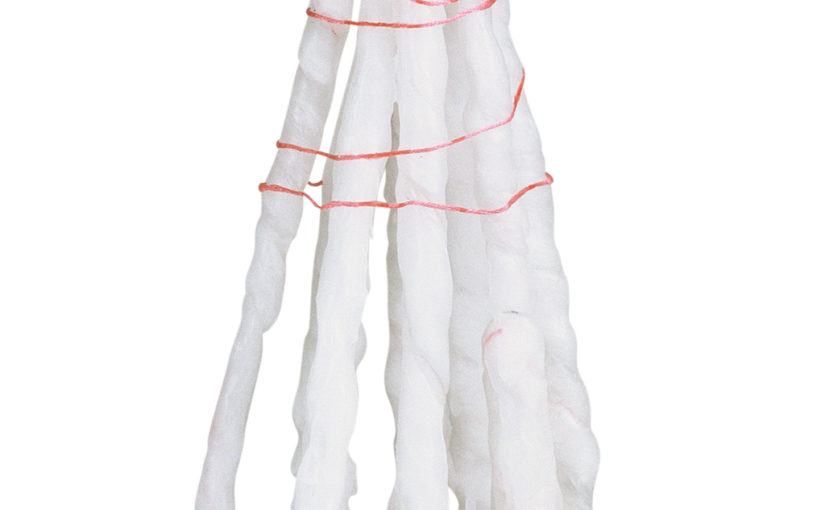
My work deals with the femininity of a woman, as she struggles not only to be part of society’s work force, but also to maintain her appearance as changes are brought about through aging.  Instead of the small wooden box, I have cast a larger box from wax, not only to enhance its appearance but also to give that sense of being alive.  The box itself is wrapped up with skin and it is this same skin that are stacked inside the box in repetitive folds.  The wrapped box together with the folded repetitive skin represents the struggles of a modern woman in the community, to which she has, to balance between society and the family, and yet maintain her >endless beauty for society.

Tight Fit

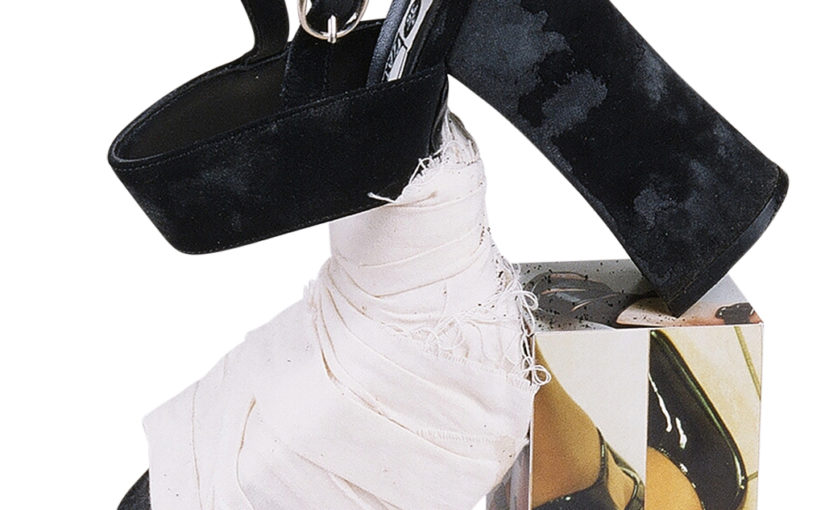
This piece of work explores the notion of restriction and objectification by juxtaposing an old-time practice of foot binding with fashionable high heeled shoes.  Pain, in both historical and contemporary context, is symbolized by the shrouded shoe.  Times may have changed, but certain perceptions of women remain deeply entrenched.  In the past, women were obliged to have their feet bound in order to be considered beautiful and desirable by men.  Having small feet was a symbol of stature and gentility.  Hence, women’s feet were forcibly bound to fit into dainty, three-inch long shoes.  Today, women subject themselves to the pain and discomfort of three-inch (or more!) high shoes to enhance their feminine appeal.  Yet, hidden behind the glossy look is this sense of inadequacy and the desire to be looked at.  Are we now considered willing participants of a game of restrictive beauty, to the point of disregarding the possible hazards by wearing heels?

Women’s Unlimited Potential

This little box reminds me of a woman in the olden day, which a woman can only do things within this little space. What is a woman identity today?  Woman is no more constrained within this space. Woman is full of wisdom and Unlimited Potential.

She can transform herself in various forms.

She can express herself just like the color in the palette.
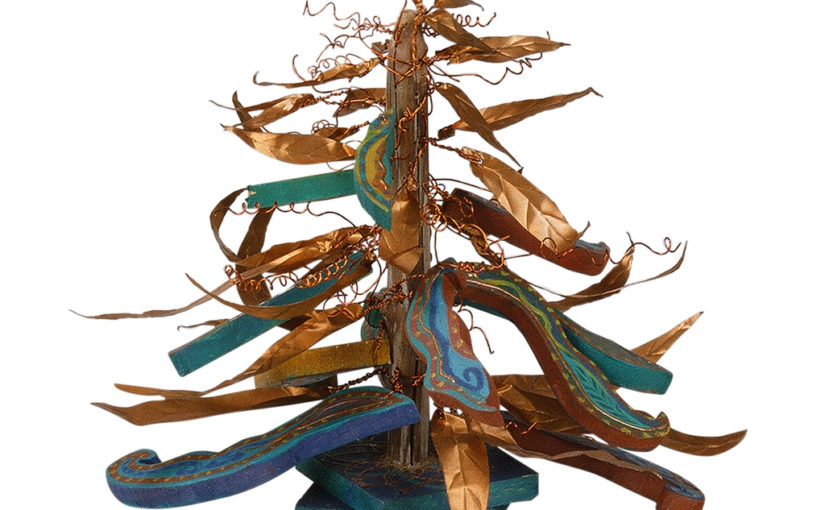
She can express her creativity just like a tree…so full of energy.
She can transcend all her cells to enliven this society.

I’m that Woman with Unlimited Potential!

Emerging Woman

don’t judge me on how I look
don’t assess my usefulness with inverse proportionality to the size of my waist
you will not measure my true worth in inches
don’t use my breasts to see a product that has no connections to my body
if my thighs are large
it’s because I use them to support myself
if my stomach is rounded
it’s because it is full and fertile
my face–my eyes, my smile are not important
I am a woman and therefore beautiful.


Tentacles

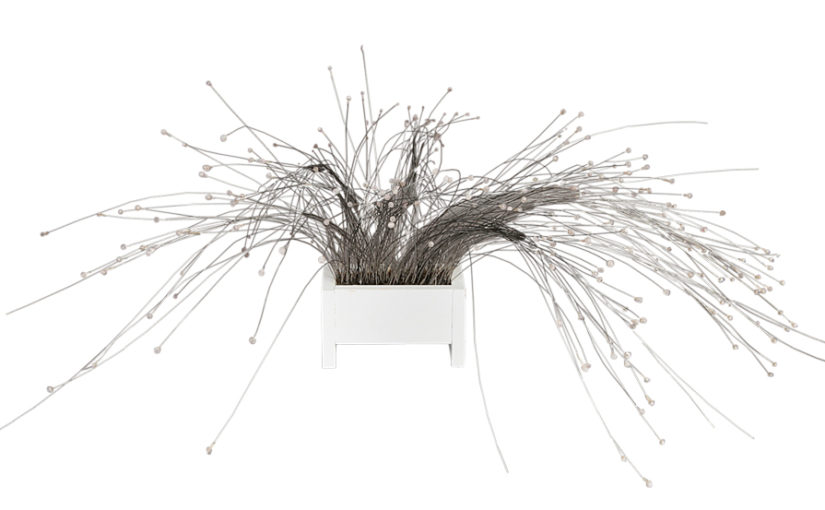
Different lengths of ultra thin fishing wires with little wax-ends springing out from a pot of wax and resin, invite views to touch, shift, bend, change direction or distort. This work exemplifies the notion of interference, and seeks to actively engage the viewers to participate with the artwork to draw their own unique experiences from it. This activity will allow the development of patterns of collective creativity that does not merely privilege any one person’s experience.

Close to the Edge

This collaborative project focuses on the network of relationships which support the mother as she experiences changes in Self identity within the frame of Motherhood. The changing perceptions of Self, whilst universal in Motherhood, differs significantly from person to person. This project involves each member of my personal support group of expatriate mothers in Singapore, expressing their experiences of motherhood in a “foreign” environment. Through the box, I sought to express my personal experience on a theoretical basis, placed in the context of my support network. Thereby the work seeks to reveal the differing experiences and changes in the perception of self, as well as the importance of a transient support network.

Island of Many Pleasures

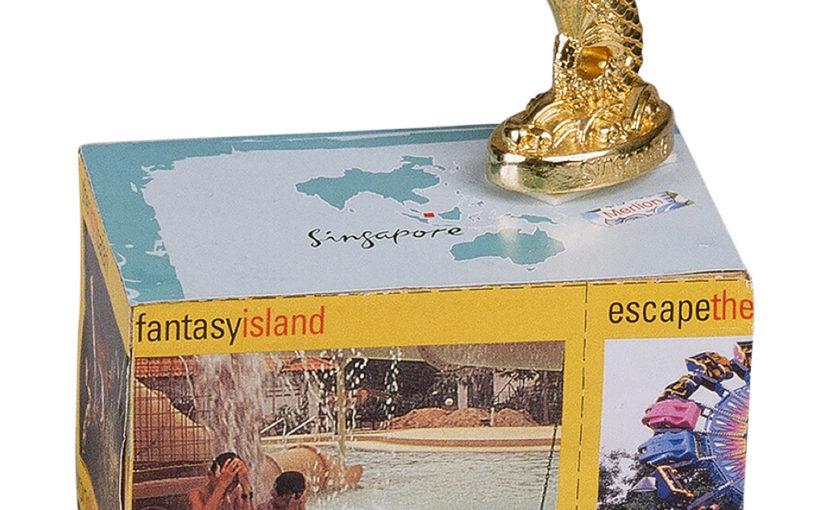
Welcome to Singapore, truly inspiring city where East meets West.  A Country with a unique array of rich ethnic cultures.  A vibrant city with many exotic, exciting and extraordinary attractions for visitors. Visitors should be able to feel the spirit of harmonious Singaporean living together as ONE UNITED PEOPLE REGARDLESS OF RACE, LANGUAGE OR RELIGION. Let the World be UNITED like Singapore and there shall be PEACE & HARMONY.

Personal Affairs

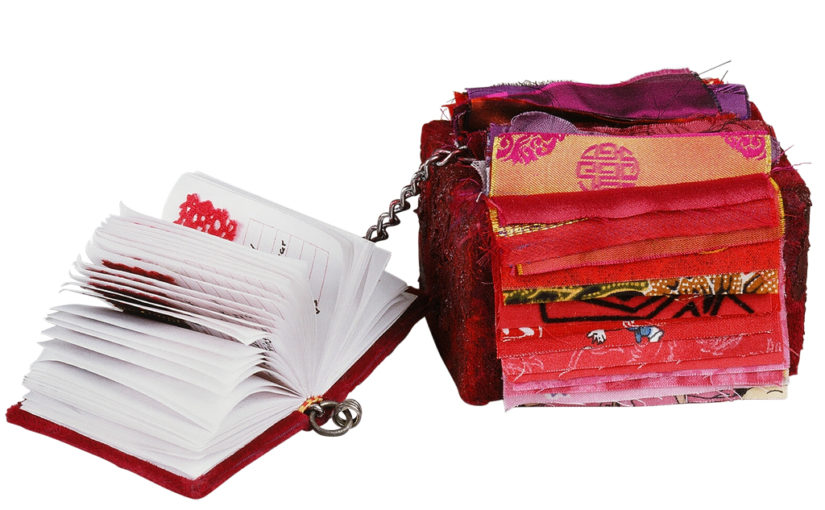
The little book attached, describes the origin of the fabric (where it was woven and printed), its purpose (as far as it could be tracked down) and most important the donor. The donors are all women who I have got to know in Singapore (except my mother who has visited me in Singapore for 4 months). The box might be seen as synonym for the female body (or at least part of it), all those pieces of different fabric stand for the colorful, multi-layered women personalities.  The chain at which the little book is attached has a meaning too: It stands for all women who have not freed themselves from a world which is still very much male-dominated.

The Poppy Field

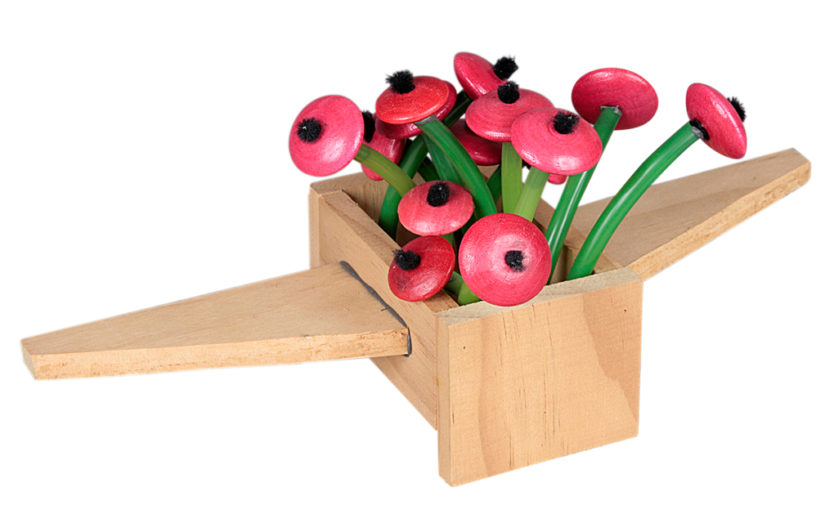
My nickname is “Poppy”. I go to school at Tanglin. I was born in Singapore.  My friends come from different places.  I have two brothers but no sisters. I go to England every summer holiday. Whenever I go to England to see my Granny and Opa, I see poppy fields. I love them and so I decided to make a sculpture of a poppy field. It reminds me of my holidays. I put airplane wings on my sculpture because we fly to England to see the poppies. I love living in Singapore but I miss seeing the poppy fields. Every year they sell fake poppies at Tanglin.  It is on the day the great war finished.  Opa was born when the war finished.

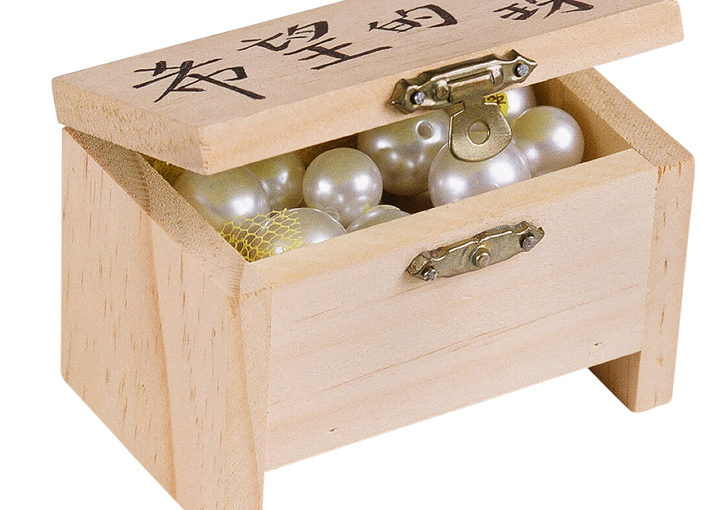
Pearls of Hope

Let’s hope

There will be no more wars and differences among countries… and instead, peace…

The world will be free of the evils of human nature–greed, fame and vanity…

The word cancer will be erased from our world with advancement in medicine…

The pearls of hope will illuminate our world, and help us realize our dreams…

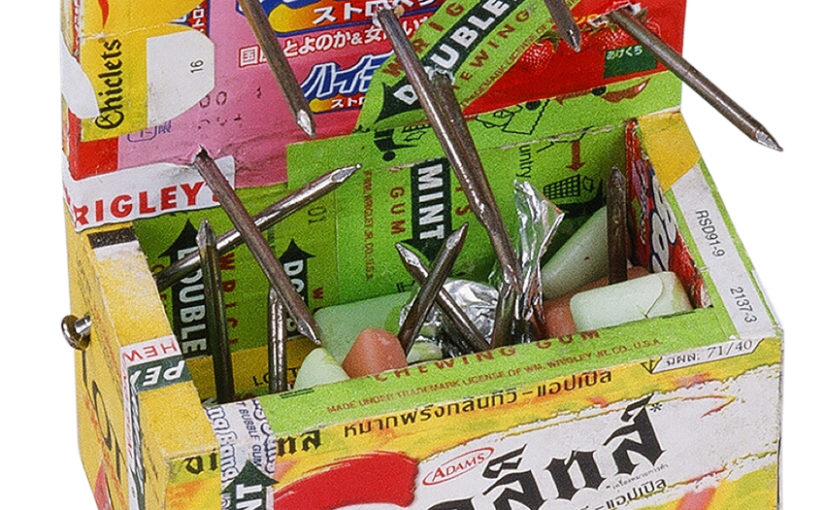
I Would Still Like to Have…er…Chewing Gum

The ban of chewing gum a decade ago has caused quite a stir not only in Singapore but internationally too.  Although it may seem to be a trivial act or even unimportant matters in a political dimension, it has nonetheless created some public awareness of how far an average citizen can tolerate this form of authoritarian regime.


As a law-abiding citizen of Singapore, I have no choice but to give up one of my favorite habits and life’s little luxury during my younger days.  Nowadays, we can still spot someone chewing gum discreetly in public especially on board of public transport.  It’s not a big crime or anything like that as long as it is disposed properly into the bins.  Although the government has shown a good degree of tolerance, it is still against the law to sell or import chewing gum.


I still chew gums that I brought back from overseas and enjoy blowing big bubbles like I used to so; what’s a little law-breaking gonna do to me?


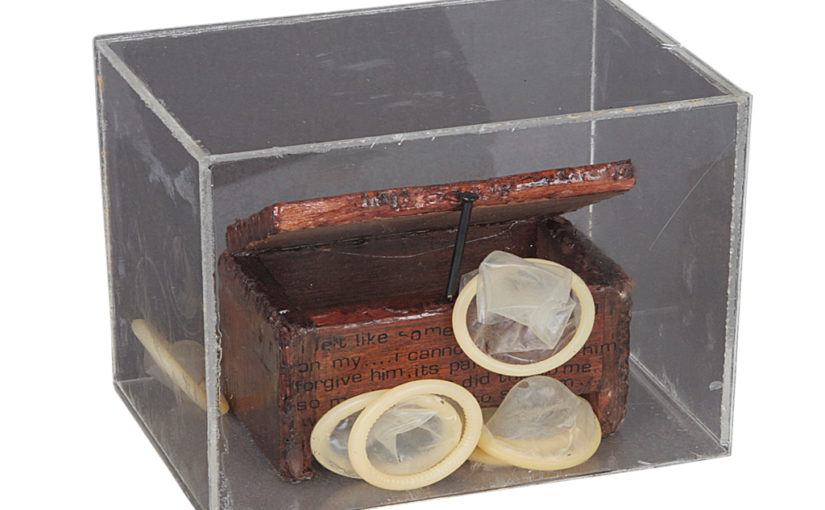
Untitled

You may read and see,

But you can’t touch her.

You may look and sympathize,

But you can’t feel her pain.

You may think the wound is healed,

But you don’t know it stays forever.

She trusts to be loved and guarded,

And in return she got that.

She isolates herself from you

As her world is dark and lonely.

She is suffering behind that smile,

You don’t even realize it.

She is unable to accept the truth,

As it hurts to talk about it.

Listen now… “Why me!

I trusted him and this is the time when he RAPED me”

SINGAPORE

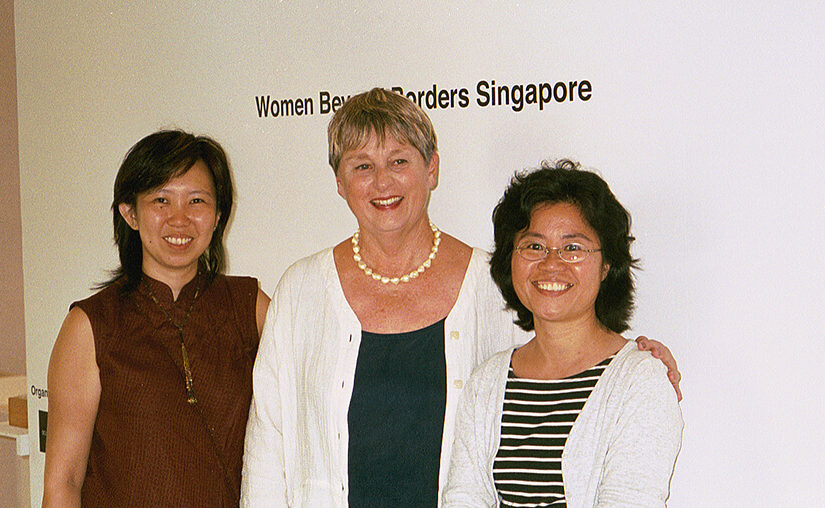
Sister Catherine Paul, WBB Artist Faye Shen, Lorraine Serena, Singapore Organizer Pat Chen and Daughter.
Sister Catherine Paul of KK Hospital, WBB Artist Faye Shen, WBB Founder Lorraine Serena, General Manager of Sculpture Square Patricia Chen-Law, and her daughter, Regina Law.


Sculpture Square

Singapore
March 8 – May 13, 2001

Edmund Cheng, Founder and Director
Patricia Chen, Founding General Manager
Joyce Fan, Assistant Curator
Susie Wong, Assistant Curator, Singapore Art Museum
Michèle Andina, Anthropologist Ph.D., Contact and WBB Coordinator


The women participants in Singapore created boxes in relation to a community, i.e. a collaboration with family, friends, a group of people, etc. The objective was to discover who women are and what women want in our particular society and context. Women first examined their personal identity and space, and second, related to their experience with the community, be it male or female. The community was engaged in the art-making process, thus extending the collaborative nature of WBB. This process gave rise to a more comprehensive reflection of societal values, needs, wants and identity as a whole.


ko-prisca-constraints-faced-by-contemporary-women-2001-singapore-silo
Prisca Ko – Constraints Faced by Contemporary Women, Singapore, 2001

Prisca Ko – Constraints Faced by Contemporary Women – 2001, Singapore


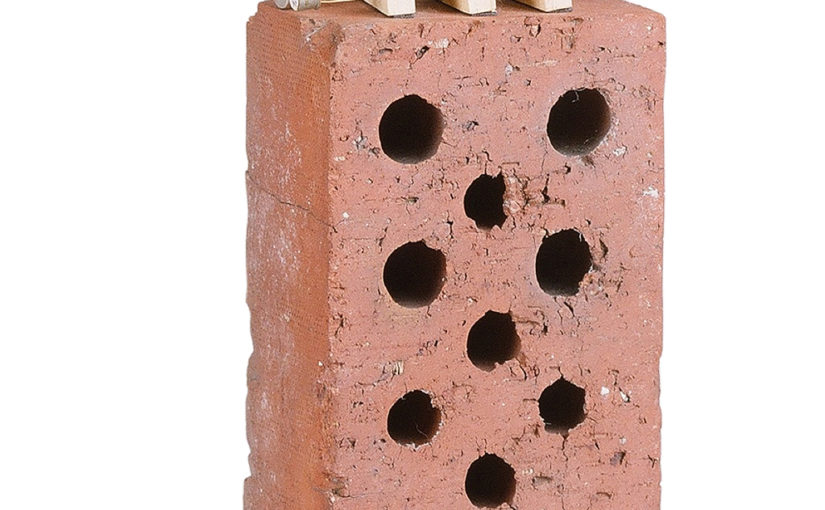
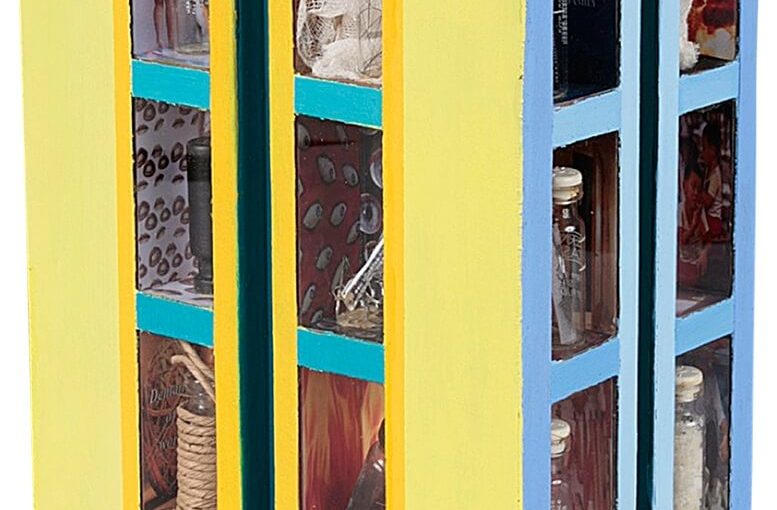
This work seeks to explore and express the constraints faced by contemporary women who live in public housing apartments, also known as Housing Development Board (HDB) flats in Singapore. About 86% of Singaporeans are housed in these HDB flats. Like the vast majority, I, too live in a HDB flat and one of the personal constraints that I face is the lack of physical space. This inspires me to conceptualize the given wooden box as a block of HDB flats with many dwellers within. Each of the niches in the box represents a female dweller.


The different constraints faced, ranging from physical, emotional, mental, and social to religious realms, are reflected in the interior decoration of the units and the contents of the vials. Women from different phases in life; teenagers, singles, married with and without children, and retirees, were invited to participate in a survey, and their views are expressed collaboratively in this box.


Regina Law – Family Bed – 2001, Singapore

Regina Law – Family Bed – 2001, Singapore
 

I’m three years old. I made a five-decker bed because I want my family to be together. My papa works in Jakarta four days a week and I miss him. I also love double-decker beds but papa said it is too dangerous for children my age. A five-decker bed will be nice–everybody can sleep together and Babybathtub (my doll) can have her own bed. I wanted to have a five-decker bed and mama helped me saw the box. Papa is very old, his bed has many beads–my hands get tired and Nadene che che helped me with the sticking. My bed has three beads because I am three years old and Babybathtub is only two.


WOMEN BEYOND BORDERS: SINGAPORE STYLE


Curator Joyce Fan, Lorraine Serena, and Curator Suzi Wong


When Women Beyond Borders was shown in Singapore in 2001, the curators Joyce Fan and Susie Wong invited local artists to submit boxes that would interrogate individual identity in relation to a specific community – from as small as the family unit to as wide as the world. In response, several artists explored their experiences as a member of one of the many expatriate or minority sub-communities living in Singapore. Others reflected on the identity of women in contemporary society at large. One box by Prisca Ko was a collaborative box with 40 women,  which reveals the constraints faced by women living in Block Housing. Another box depicted the mending of a mother and daughter relationship using a crochet needle and gold thread. The objective was to discover who women are and what women want in our particular society. We directed women artists into first, self-examining their identity and space, and second, in the course of this journey, relating that to their experience with the community.


A blind woman examining one of the boxes from the collection


The WBB Exhibition in Singapore was held at Sculpture Square with an overflow of 125 new boxes. The Singapore exhibition consisted of three sections: a Curated Section featuring invited women artists, a Women’s Communities Section with participation from KK Women’s and Children’s Hospital, Association of Women for Action and Research (AWARE), the University Women’s Association of Singapore (UWAS) and the Singapore Council of Women Organization (SCWO) and an Open Section which feature creations by women from all walks of life. These boxes were shown alongside the WBB collection of international boxes. The first lady of Singapore, Madame Goh Chok Tong, was Guest-of-Honor.


Susie Wong, Curator, Elena Lui, UWAS, Patricia Chen-Law, General Manager of Sculpture Square, Lorraine Serena, WBB Founder, and Mrs. Goh Chok Tong, First Lady of Singapore


It’s utterly prosaic, this box, until it falls into the hands of the artists… at which point the box is transformed, exploded, expanded, shattered, sculpted, pasted, painted, and reborn into an expression of a woman’s identity.               

– Shanti Menon, East Magazine, Singapore


Suzanne Victor – Untitled, Singapore, 2001


Suzanne Victor – Untitled – 2001, Singapore


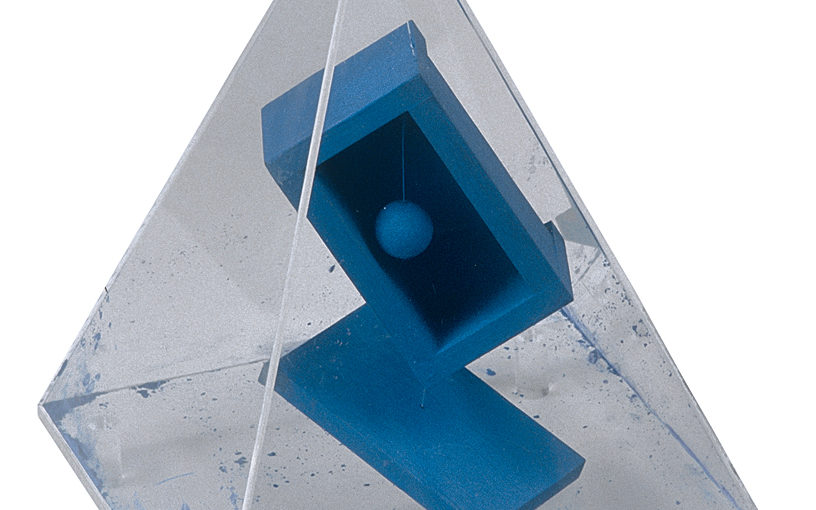
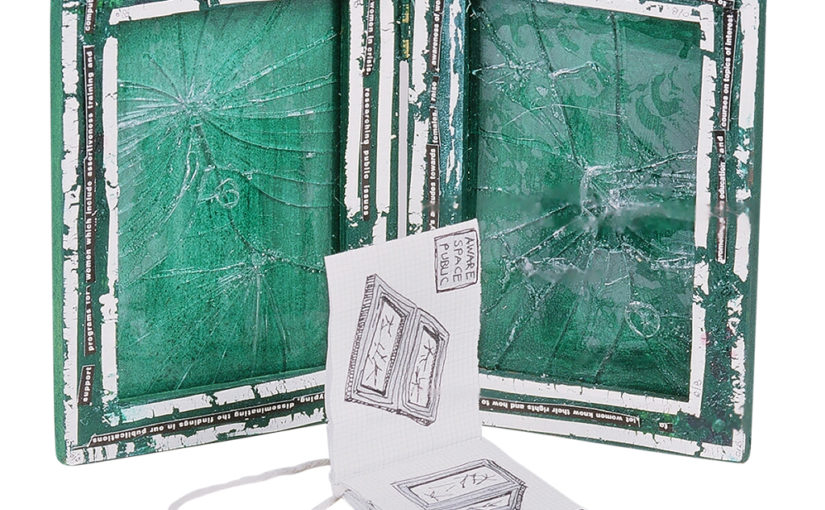
I find this concept very challenging although of course initially, I found the concept of Women Beyond Borders and the form (BOX) contradictory, as boxes inherently are about discreet entities/objects with their own definite boundaries, surfaces and edges etc. And these boundaries are walls in themselves, not just an imaginary line or flat paths on the soil dividing countries nor printed lines on the map. In other words, the whole notion of borders and liberating women from it contradicts the very form of the box given to every participant that say so disturbingly otherwise. My intention for the approach to producing a work for this project is to deal with this collision of concept and form. I have gathered a few women and men from the community I am with, to witness a cremation of this box, after which the ashes would be placed in a custom made replica of the box but it will be in cut glass. Death to borders–of course the glass box and its glass walls is practically a vitrine – to enshrine the diminishing of all borders that divide us.


SEE SINGAPORE ESSAYS


SEE BOXES FROM SINGAPORE

Constraints Faced by Contemporary Women

This work seeks to explore and express the constraints faced by contemporary women who live in public housing apartments–also known as Housing Development Board (HDB) flats–in Singapore. About 86% of Singaporeans are housed in these HDB flats. Like the vast majority, I too live in a HDB flat and one of the personal constraints that I face is the lack of physical space. This inspires me to conceptualize the given wooden box as a block of HDB flats with many dwellers within. Each of the niches in the box represents a female dweller. The different constraints faced, ranging from physical, emotional, mental, and social to religious realms, are reflected in the interior decoration of the units and the contents of the ampoules. Women from different phases in life–teenagers, singles, married with and without children, and retirees–are invited to participate in a survey, and their views are expressed collaboratively in this box.

Journey of Love

Journey of Love is about the relationship between my mother and me. It explores the all-consuming physical and psychoanalytical paradoxes seen in this relationship between mother and daughter, and the problem-solving exercises that may inform one’s point of view about relationships, change, and seeing oneself among others. This exploration leads to the use of the needle and thread, and the act of weaving which symbolizes the journey in mending of a relationship. My mother is my best friend and she is loving, intelligent, patient and reasonable. To weave is to tighten the ties between us. Each act of weaving symbolizes my efforts to mend my relationship with my mother. The use of gold thread constantly reminds me of my mother’s skin because she seems to glow with such warmth and health. The needle attached in-between the weaves with some of the thread wrapped around it symbolizes the act of weaving or repairing which does not end but continues on a more emotional level. The experience in working on the box was illuminating and therapeutic, offering me not only an opportunity to reflect on my life, but also it gave me the strength to be closer to my mother.

From a Picture Frame On My Mantelpiece

As a 32-year old female Indian Diasporic artist, my preoccupations are complex. Feelings of confidence and vulnerability exist at the same time. My formal research, for the longest time, has been a documentation of my interactions with people and experiences by using photography. These photographs form part of a tale. The front, from top to bottom, depicts a meandering path of images of women, starting from infancy to old age. The back of the frame shows my life, whilst growing up in a politically charged environment, that all pervasive racism between the whites and the blacks and the Indians, and my moving to England at the age of fourteen, conflicting lifestyles, hidden desires, and a magnetic pull towards my (so-called?) homeland, India. Almost all my work reflects my relationship with India. In that murky sea of conflicting humanity, a different code is at work; therefore I am not in control, and have much to learn, and to re-learn. This preoccupation is less a romance, and more a sort of obsessive compulsion.

Time Capsule

The objective of the project is to approach women of all ages, from all walks of life and of different nationalities, to express their views about what it means to be a woman in this age and time.

They were asked to express their concerns, worries, happiness or grouses, et cetera; basically, any subject that touches their lives and how their lives are affected as a result.

These expressions are kept in the Wbb box which is the Time Capsule.

It will be sealed for now, and it carries an instruction for the curator of Wbb permanent collection to open it fifty years later on 8 January 2051.

I.T. Image Trap

I.T. Image Trap is derived from visual images of women. Women tend to be regarded more as ‘ornaments’ than the opposite gender and this resulted in a human condition where attention is focused on physical attributes than on what lies beneath. I.T. Image Trap has an ornamental quality and it possesses as the ability to deter from being simply regarded as ‘surface beauty’ which could be replaced or be out of fashion. It aspires to be considered as a work with endless possibilities, meanings and pleasant surprises. Just like any sensible woman who wants to be looked upon, I.T. Image Trap teases one to unmask the trapped image within.

Untitled

I find this concept very challenging although of course initially, I found the concept of Women Beyond Borders and the form (BOX) contradictory, as boxes inherently are about discreet entities/objects with their own definite boundaries, surfaces and edges etc. And these boundaries are walls in themselves, not just an imaginary line or flat paths on the soil dividing countries nor printed lines on the map. In other words, the whole notion of borders and liberating women from it contradicts the very form of the box given to every participant that say so disturbingly otherwise. My intention for the approach to producing a work for this project is to deal with this collision of concept and form. I have gathered a few women and men from the community I am with, to witness a cremation of this box, after which the ashes would be placed in a custom made replica of the box but it will be in cut glass. Death to borders–of course the glass box and its glass walls is practically a vitrine – to enshrine the diminishing of all borders that divide us.