womens beyond border logo

BOXES beyond borders

Transitive / Transform

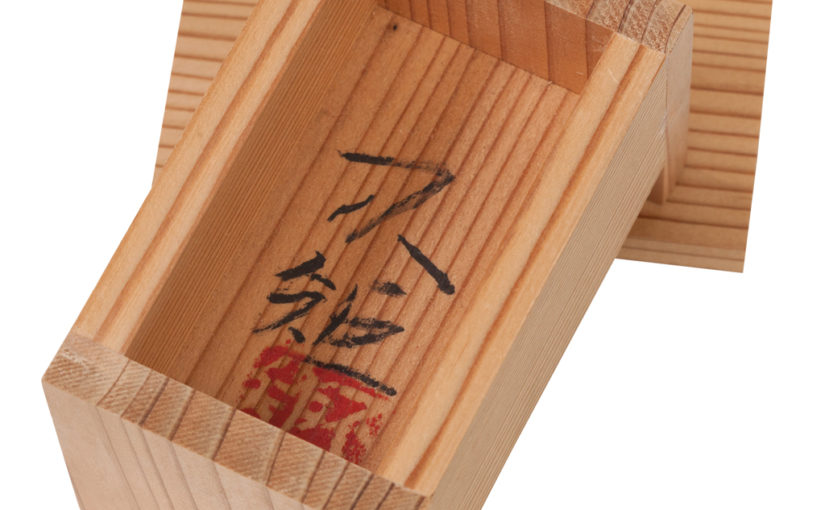
Tajima Box Project. An artist and an extraordinary woman collaborate to create a box.

Joan Ling, INNOVATOR AND ADVOCATE FOR AFFORDABLE HOUSING IN SOUTHERN CALIFORNIA and Ann Lindbeck, ARTIST

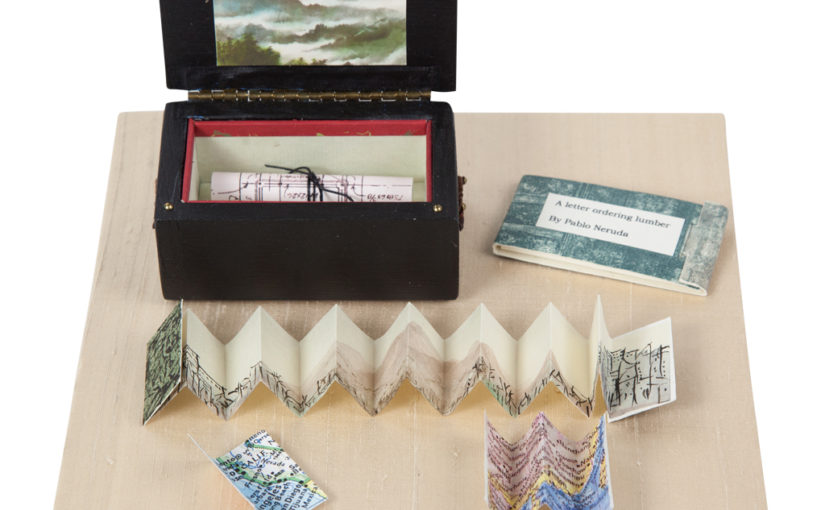
Contents of Trunk:

A letter ordering lumber by Pablo Neruda

Accordian landscape

Key to a China trunk

Map of California

Map of China

Architectural drawing


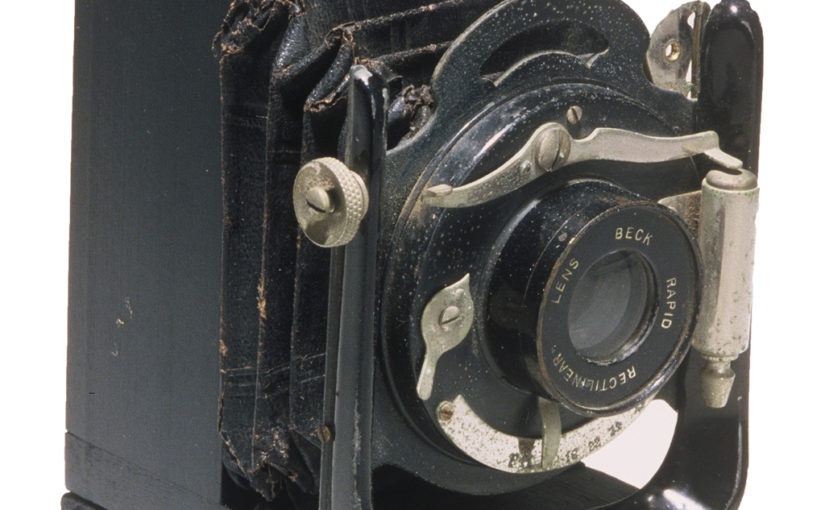
Box Camera

Box Camera reflects our life-long commitment to the photographic arts from traditional to digital. It is an homage to earlier technical forms of imaging.

The tintype of the woman with books hints at Penny’s profession as a librarian and bookseller and incorporates the idea of educating women to expand their boundaries. Photography is a universal language crossing all borders.

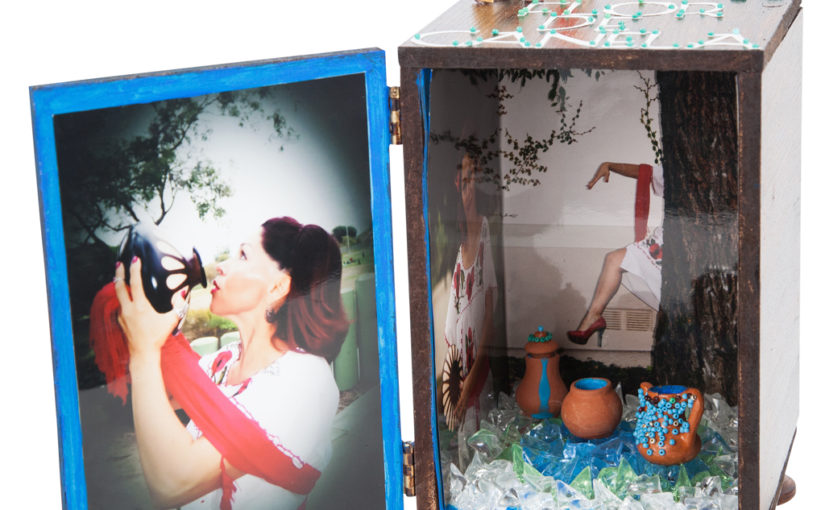
Flor de Canela

My box is an expression of myself. Now others will know who I really am.
I did not have an original box, but built a bigger one with my husband. All objects and photos are symbolic.

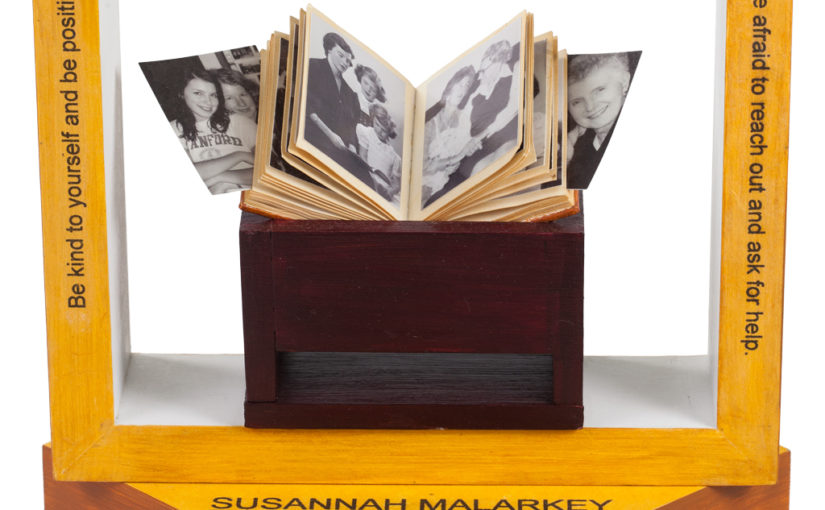
Framing Life, Memories, and Wisdom

Tajima. An artist and an extraordinary woman collaborate to create a box.

Susannah Malarkey, EXECUTIVE DIRECTOR OF THE TECHNOLOGY ALLIANCE OF WASHINGTON and MalPina Chan, ARTIST.

The form of the square frame suggests strength and solidity making it an appropriate metaphor for Susannah. From the first few moments of our initial conversation, we felt a connection as we shared memories about our mothers and daughters. Susannah’s feelings on “wise women who came before passing on and sharing their life’s lessons” and the notion of “tribal memories” serves as the inspiration for this piece.

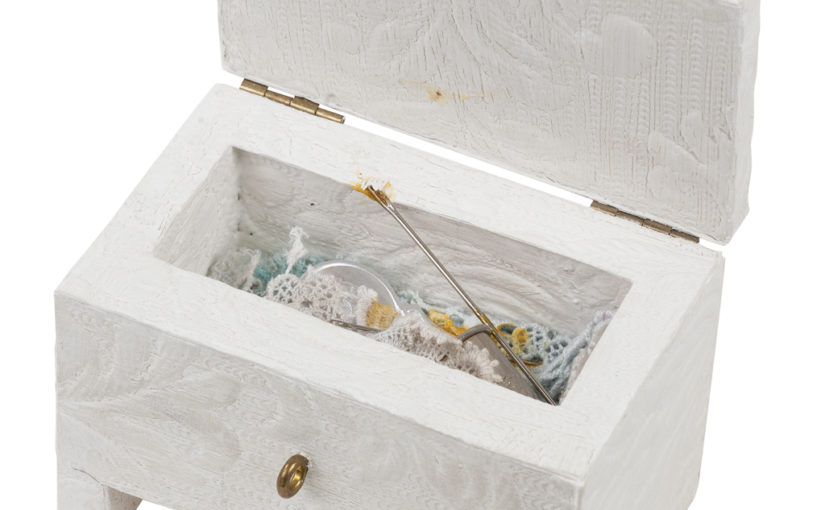
Crafty Contemporaries

This box symbolizes the entrapment of the domestic sphere. The witness of the box symbolizes the innocence and naiveté of women in the past. The sewing kit placed in the box makes reference to contemporary women artists of today who have used old skills from the domestic sphere and given them new life.
 

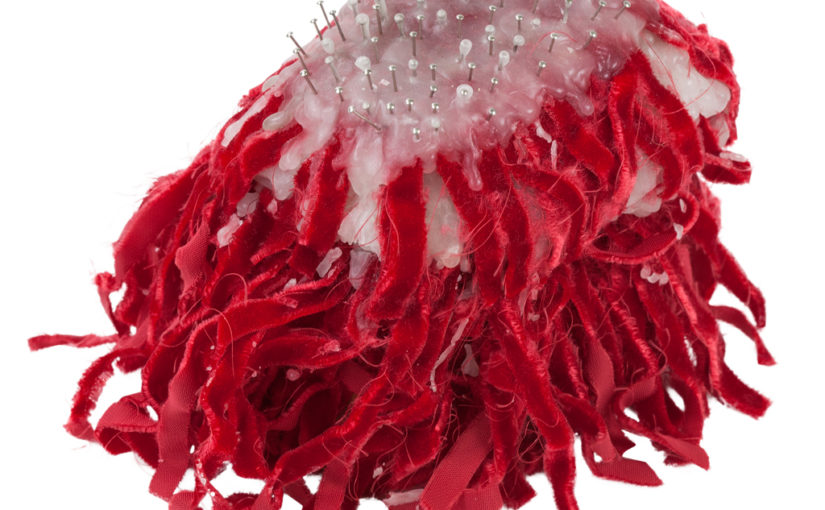
One Thousand Years of Sewing into the Night
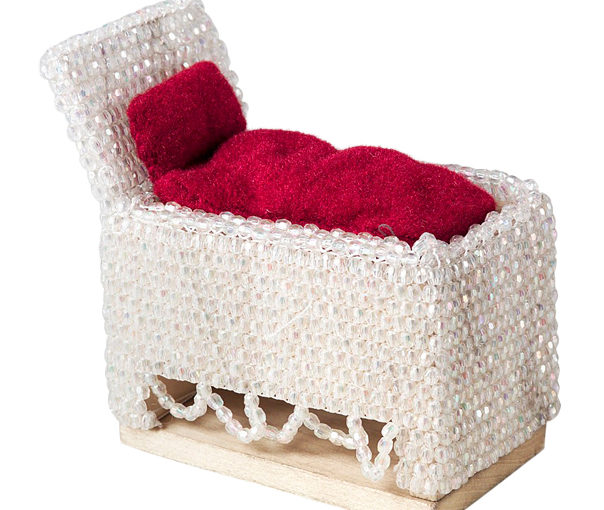
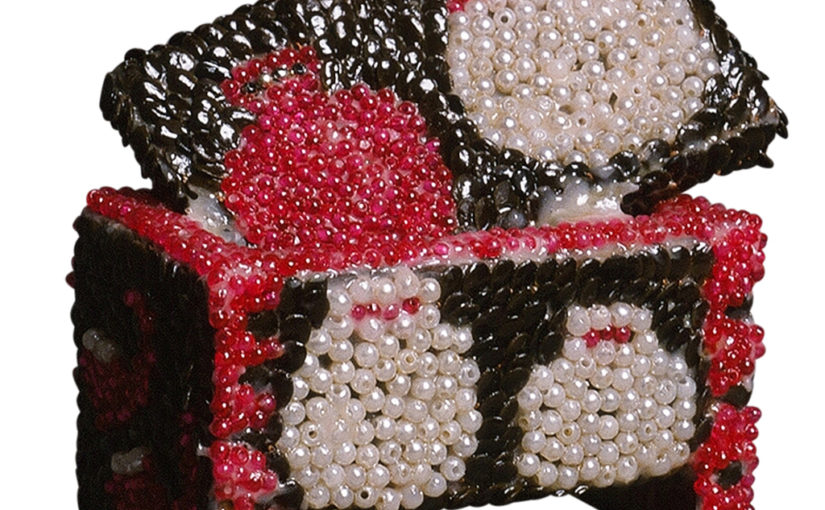
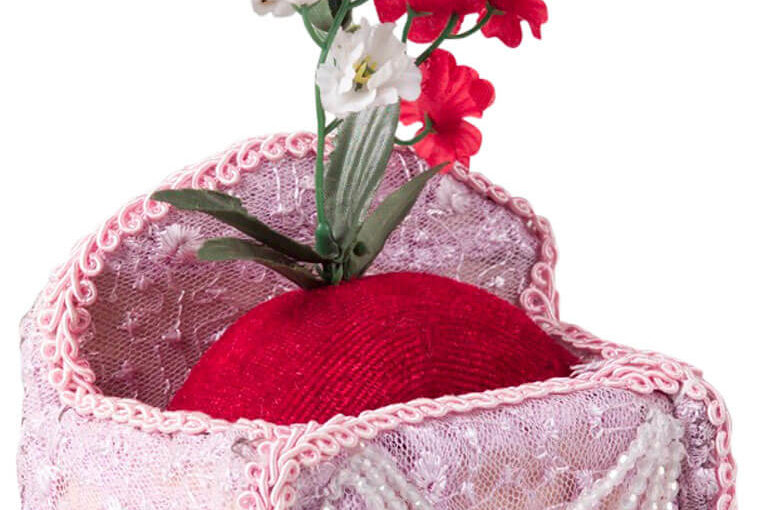
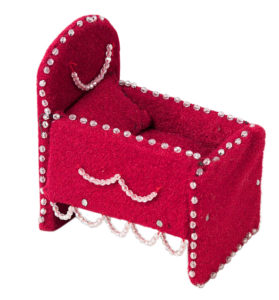
My grandmother’s sewing box, a gift from her mother, handed down to me by my mother, is my inspiration for Women beyond borders. I have made a tiny sarcophagus of pins, cotton and frayed red velvet – to symbolize thousands of droplets of blood from pin-pricked fingers – all embedded in the wax of candles burned into the night, lighting women’s often unappreciated work of skill, toil and pleasure.
 

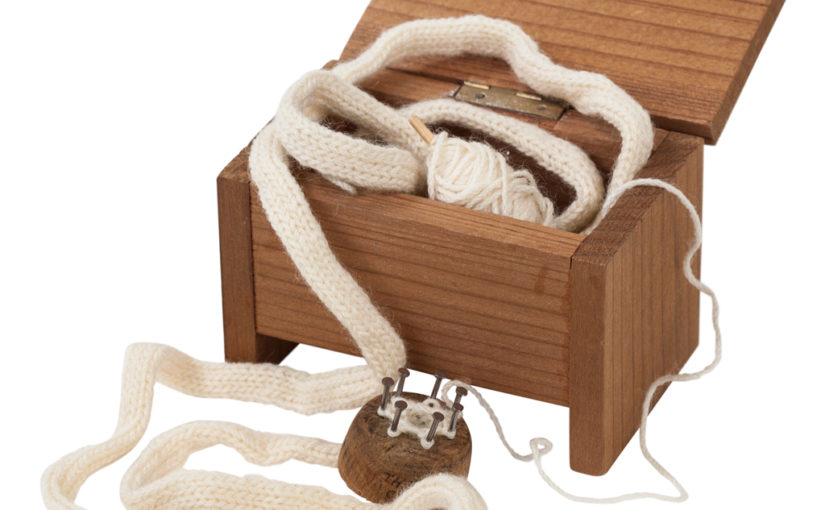
Knitting Machine for a Woolen Cord

My work is full of allusions to the ‘female’ element, mythology and cordicraft. Wool thread is the main material in my ‘knitted sculptures.’ The box contains a small knitting machine and a small bobbin of wool thread. This is a traditional way of making a cord, and anyone can continue the process of knitting. It is like a trip, a memory, but the tip of the thread must remain in the box.

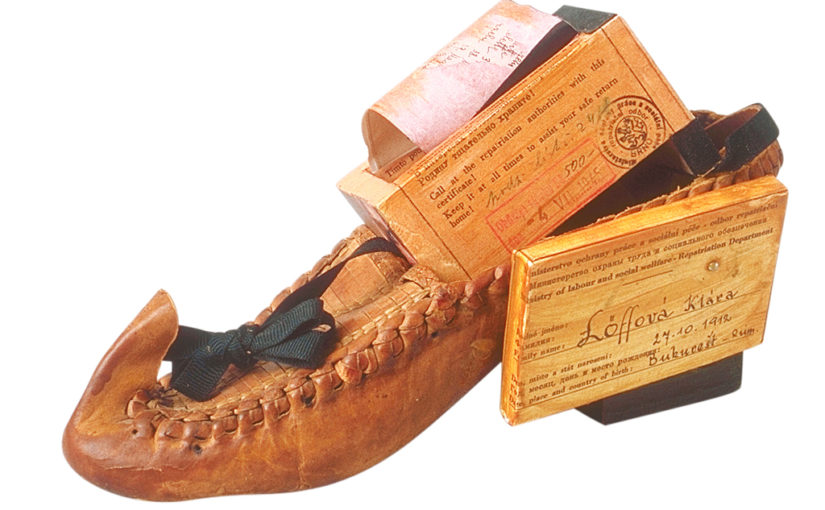
Balkan Dance

This traditional Balkan folk dance slipper carries a box holding the grief and terror of deportation and internment as well as hope for endurance and the end of all exiles- physical, political, cultural and spiritual.

What the Women Gave Me

The making of this second box afforded me the opportunity to reflect on and celebrate the many wonderful and precious things given to me by women; artists friends colleagues, and strangers whom I will never meet, who share like souls…

To the Ngarrindjeri*  Woman who taught me how to weave, and gave me a part of her culture…

To the Women who nurtured and encouraged my talents and refused to let me give up…

To the communities of Women who have taken part in Women Beyond Borders…

Thank you.

* Ngarrindjeri (pronounced narr-ind-jerri), people are indigenous Australians, originally from South Australia.  These people traditionally wove to make traps and baskets in which to gather, store and carry their food and bury their dead.  Today few Ngarrindjeri know how to weave.


The Women's Voices: Diana Robson from WOMEN BEYOND BORDERS on Vimeo.

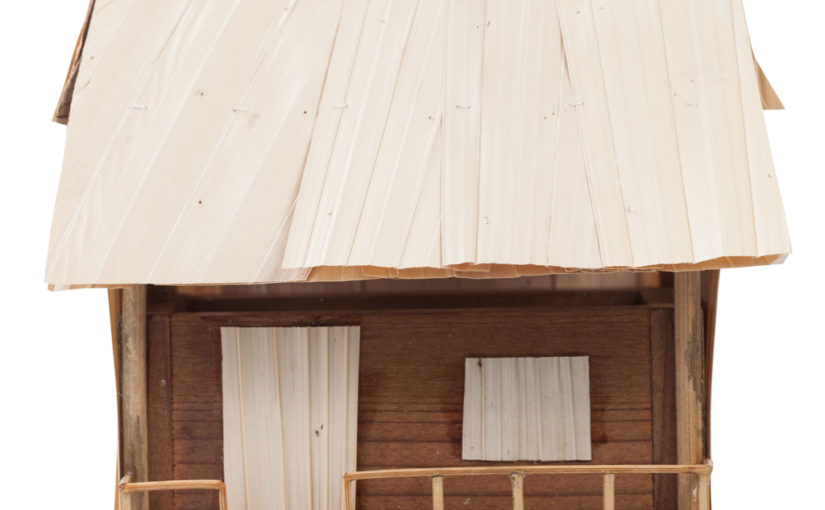
Our House, Our Home

I am sure that you would be attracted by the beautiful landscape of the Vietnamese countryside. The lush, expansive fields spread wide and the rivers flow gently into the silent sunset.

There is one thing that is so much a part of our lives…the thatch-roofed cottage.  No matter where we live, we conjure up images of our cottages when we get homesick.  They are remnants left behind by our ancestors from a long time ago. They are features of natural beauty of the Vietnamese countryside. Do you know that although they are made of simple, natural materials such as different types of bamboo and palm leaves, they have covered us during rainy and sunny seasons.  Some of the houses are built on stilts to protect us against floods and the attack of the wild animals in the night.

Seeing is believing, so we hope that you will come to my country, if only once to see the cottages. You will love them as we do.

Untitled #1

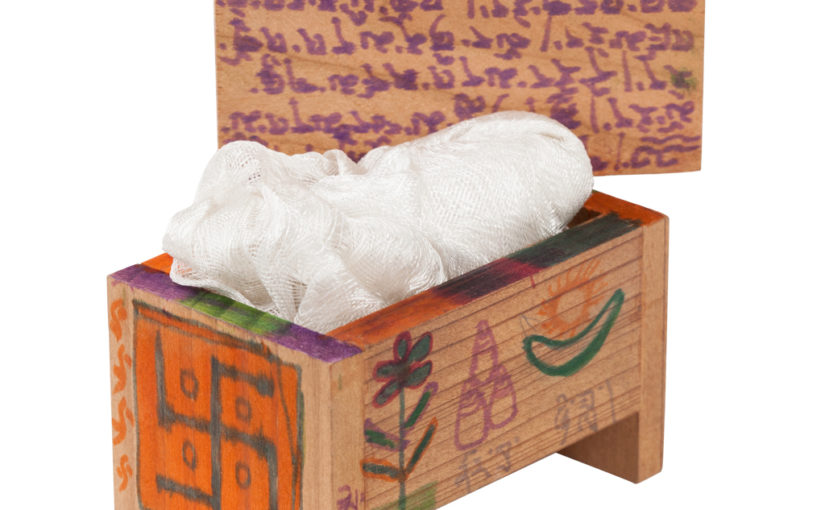
Top: the 3 jewels (the Buddha, the Dharma (teachings) and the Sangha (spiritual community)

Color: yellow for the Lama’s robes

Images: lotus flower, 3 jewels with Bon swastika (Bon was the religion of Tibet before Buddhism), fish, vase with flowers

Inside the Box: barley

Untitled

Blue skies, sun rises, sun sets.

Very quickly, you leave us

Like a bow leaving it’s arrow.

We stay.  It’s good to stay.

Our future is good.

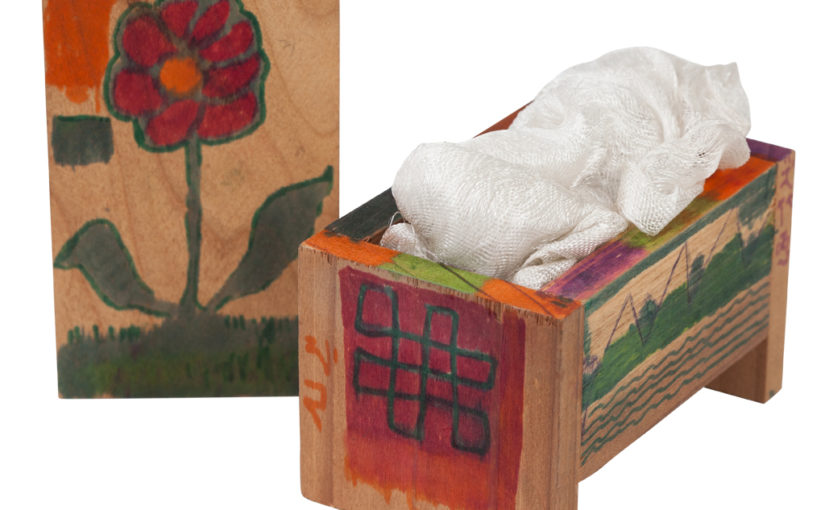
Top: flower

Images: Knot of eternity, eight-petaled flower, Bon swastika, 3 jewels (the Buddha, the Dharma (teachings) and the Sangha (spiritual community), sun, moon, flowers

Inside the Box: Kata (white scarf used as offering to Lamas or enlightened people)

Text: World Peace

Blue sky, sun rises, sun sets.

Very quickly, you leave us

Like a bow leaving it’s arrow.

We stay.  It’s good to stay.

Our future is good.

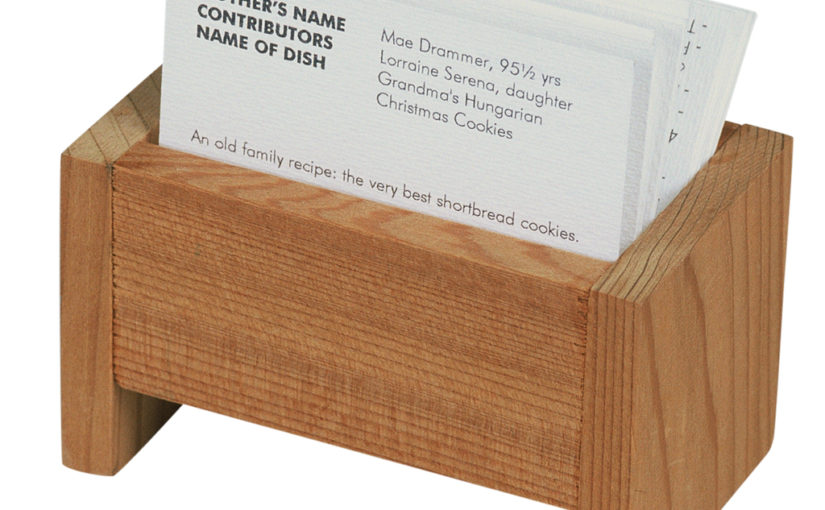
Project Recipe Box

This is a collaborative effort by mail/email, having started in December 2000 and will conclude December 2002. It asks participants to contribute a recipe from their mothers. The word recipe is open to interpretations: memories/ remedies/ conversations that occur in the kitchen/ contents of a pre-packed lunch/ etc. This is a simple project, based on a chain of words – women/ mothers/ cooking/ kitchen – used within a simplistic context of a stereotype, there are many distinct and different identities. In a kitchen, each woman develops multiple and complex ways to deal with the role of mother cooking. This role (one associated with sugar-coated sentiments) is also the same role that allows a woman (who may have been defaulted into the kitchen) some measures of control over her family. The kitchen can be a very powerful or oppressive place depending on the woman occupying it. I would like to think that every mother occupied it differently. I hope that this project (a small and incomplete record of their many facets) may serve as a humble but deserving tribute to all our mothers. And if it fails to do that, it is at least, a collection of recipes to some very delicious and precious dishes.

The Women's Voices: Ye Shu Fang from WOMEN BEYOND BORDERS on Vimeo.

The Bridal Chest

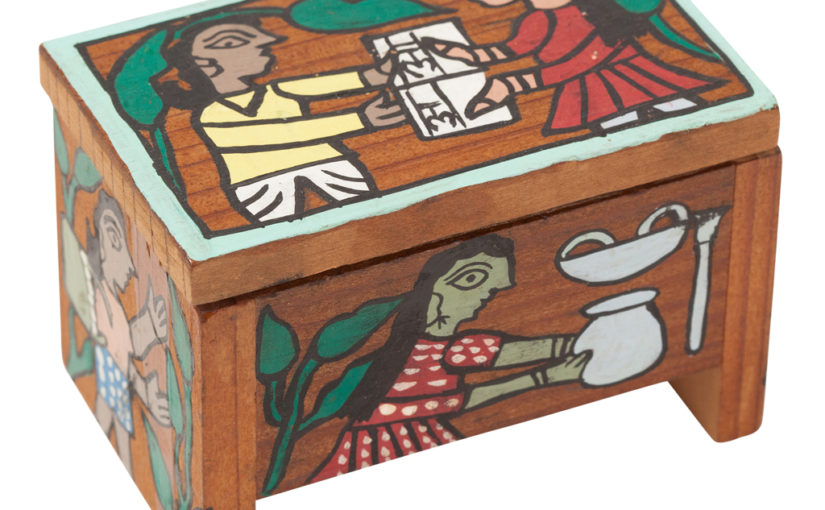
Sanduq Al-Saysum is a type of chest which used to be carved by craftsmen in the Holy City of Makkah (Mecca) from hard wood and decorated with pierced brass. Traditionally, these were one of the prized possessions of a bride which she brought with her to her new home. Being large and very heavy, they were used as safes.  Inside were kept valuables and family heirlooms. Even though few now live in the traditional homes, Saysum chests are still to be found in many modern homes.

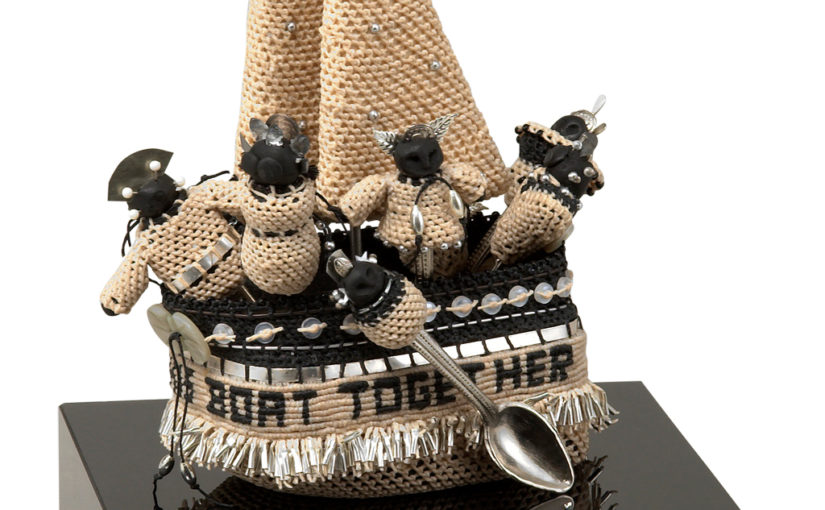
We’re All in this Boat Together

I work with containers because they make me happy. Each piece I create becomes a container of conscious and unconscious thoughts and feelings: a nest, a womb, a secret, a surprise or a giggle. And always, a feeling of being in touch with my female ancestral beginnings.

My containers contain “me”. Being a wife, mother and “Nana” have been the most important things in my life. My baskets honor and celebrate the family. I use words and images of women and children because I want my basket/vessel to have content…to say something. I want to validate the importance of the family and the values and morals it nurtures. My vessels are autobiographical and are the scrapbooks of my life.

Throughout history women have found creative time in their lives to make baskets. Knotless netting, the technique I use to cover the gourds and molded forms, is an ancient, tedious, continuous thread technique that is used for nets, baskets and button holes and is symbolic of women’s work in the home.


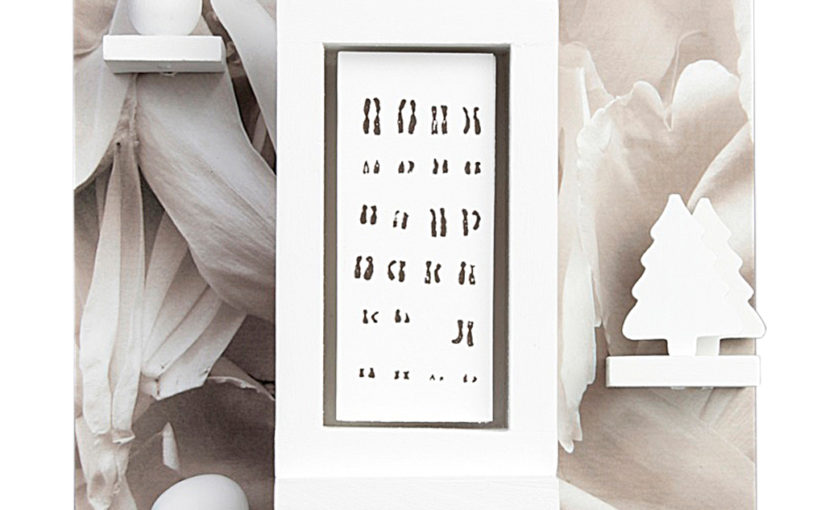
Altar for Eve’s Chromosomes

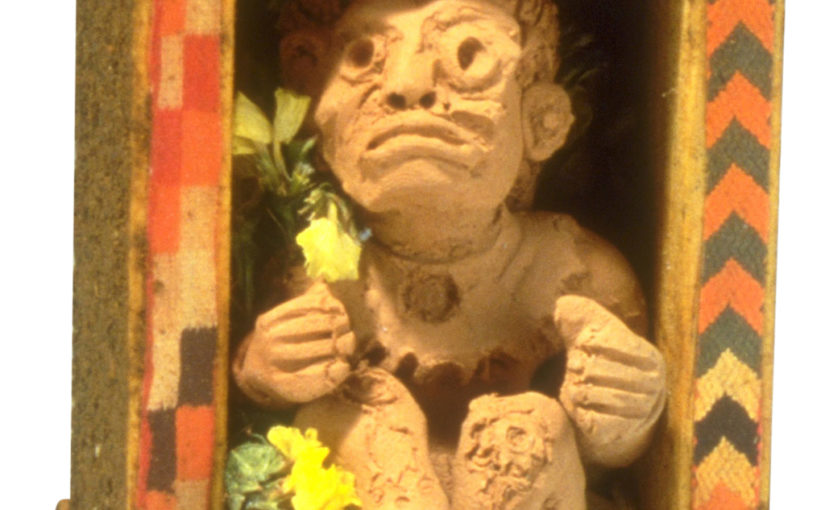
Eve represents the first woman. I am honoring her genetic material with this mixed media sculpture. All women have descended from Eve’s chromosomes, which are the most fundamental, significant and potentially eternal part of our experience as humans.

Artistically, this work is related to a series of white wood wall sculptures I made during the late 1980’s. The objects I have added to the original box materials are symbolically related to women’s genetic and cultural heritage.


Shades of Africa

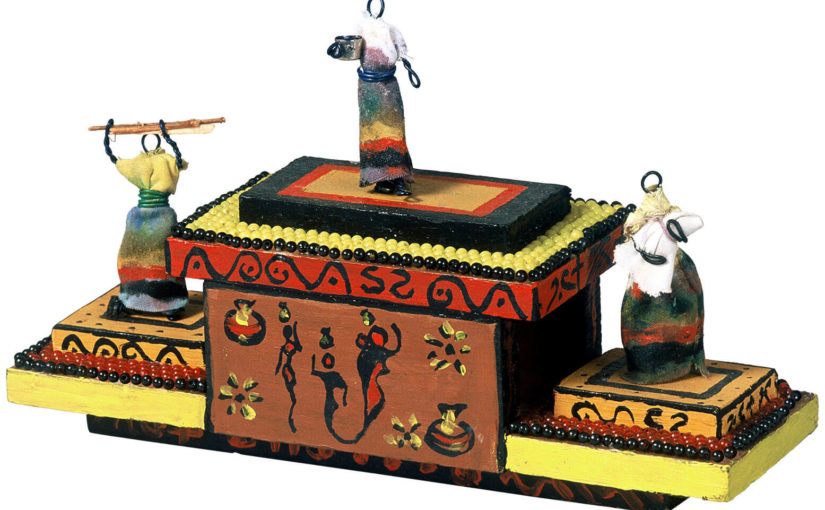
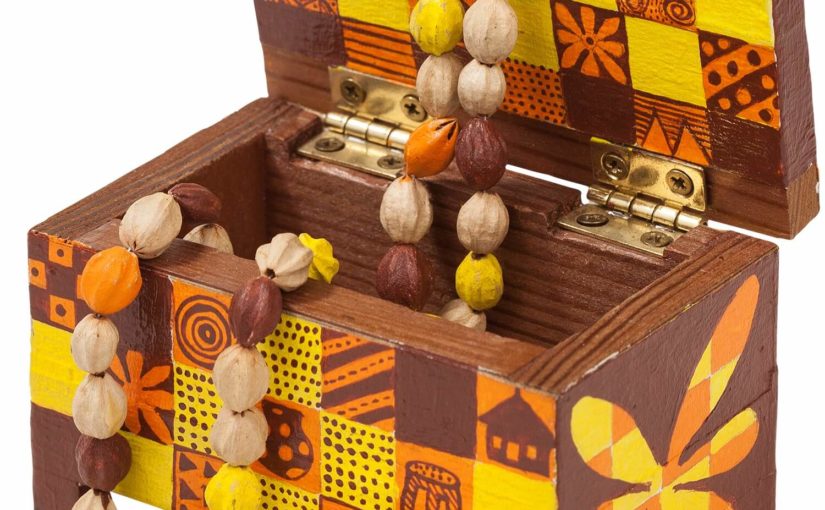
Everywhere you go In Africa a woman is always present. Through my presentation I portray three major roles that make African women so precious in our society.

A woman does not only bear a child in her arms, wood on her head or a clay pot in her hands, she bears the daily burden of African experiences.

She is the strength of Africa and I hope that we can learn to appreciate what a woman does and the one who created her, God.

Untitled

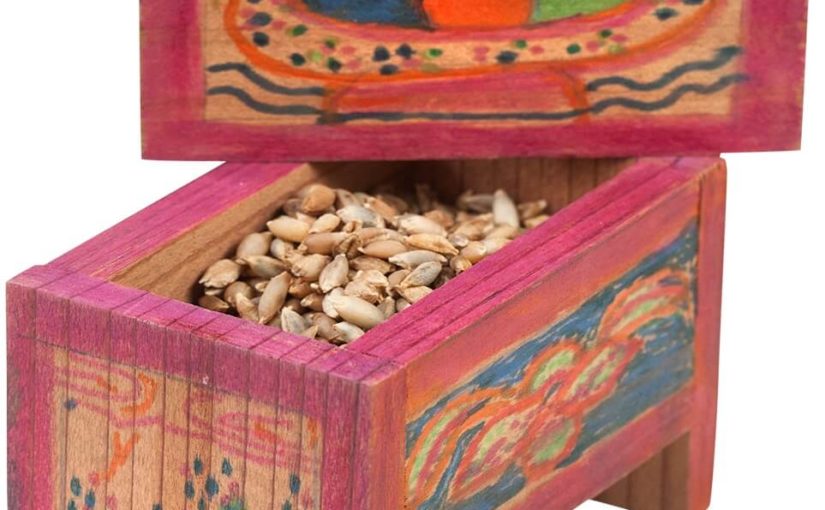
Top: the 3 jewels: the Buddha, the Dharma (teaching) and the Sangha (spiritual community)

Colors: monastery

Images: goldfish, land, mountains, river, clouds; an island surrounded by water; fruit

Inside the box: barley, primary ingredient of Tsampa, a basic Tibetan food

Hidden Beauty

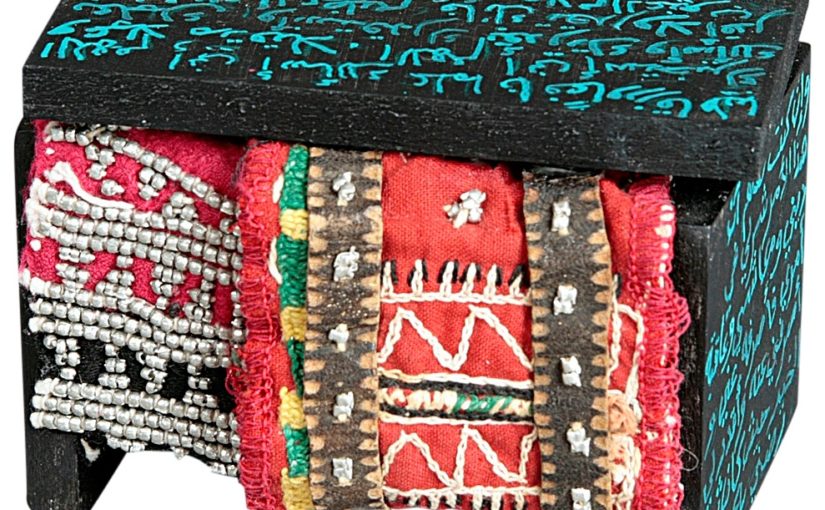
Real beauty is hidden and then found like a box of treasures. These textiles represent women from different regions of my country. A heritage that should be preserved for our children.

The words on the box are prayers: to make good choices; be a better person – humble, patient and thankful.

My Culture My Pride

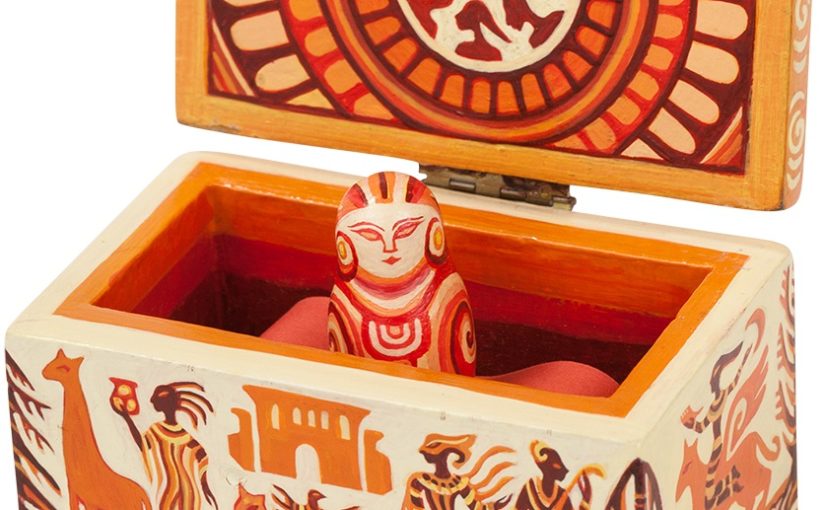
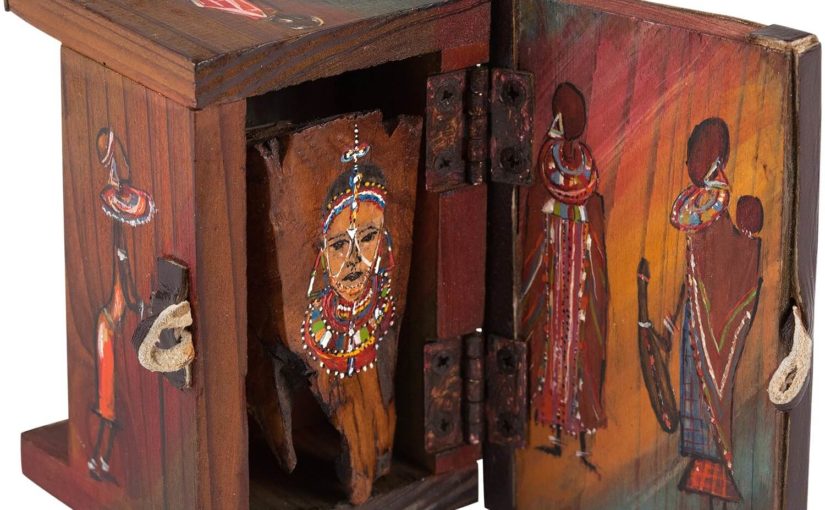
The Maasai are a pastoral people who live in Kenya and Tanzania in the Great Rift Valley of East Africa. The Maasai believe all the cattle on earth were given to them by God. The Maasai way of life is spent in moving from one place to another in search of grass and water for their herds.

Today, the unique customs and traditions of the Maasai still exist and are treasured by them. Great effort must be made by all to see that this treasured culture is preserved for the future.

By revealing this beauty of the Maasai people, I hope my contribution in some way helps in the preservation of this priceless culture.

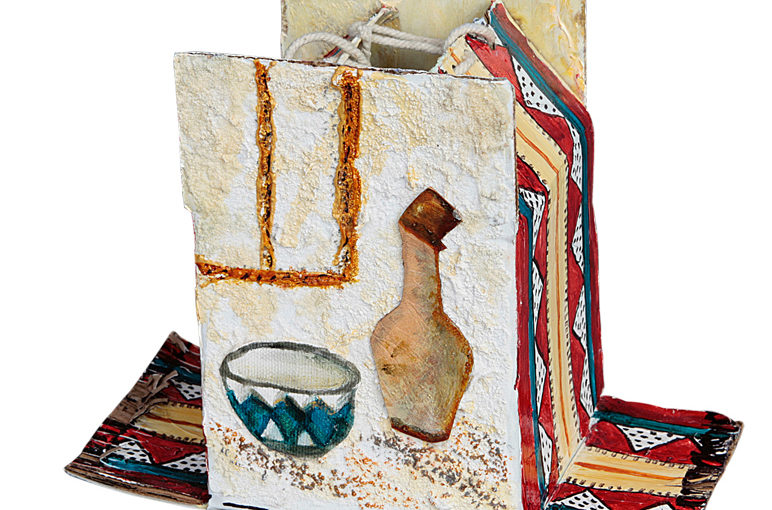
The small portrait is of a Maasai woman painted on a fragment of a special and very useful “Oleleishwa” tree. The tree is used by the Maasai to clean calabashes for milk, as perfume, for making clubs and thatching beds.

Until Death Do Us Part

In my home country, Japan, there is a legend for girls that says that their prospective husbands have their little toes tied up to them with an invisible red thread. I used to believe in this legend as well. In my opinion it is wonderful to be able to believe in such a thing.

Since we’re infants, we are educated to play a role either as a woman or as man. I still remember when I used to play house-dolls with my friends and how much we enjoyed playing the mother’s role, like all the mothers of every mother. It is a simple but very pleasing memory that all women have inside. However, nowadays I often feel a victim of the male order and often wonder what can I do about it.

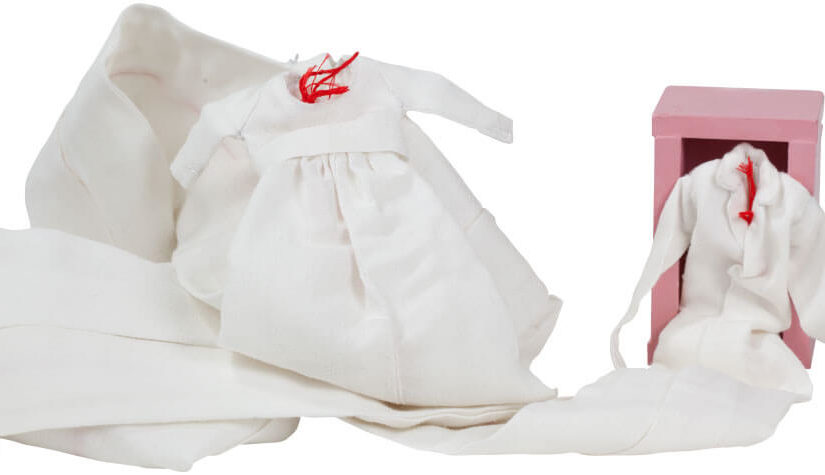
I was thinking of this as I was making my box and I felt like I was playing with dolls again because I was doing typical housework tasks such as sewing, washing, and ironing.

I hope you will tender my piece during the traveling exhibition as if it were our collective memory, which men will never be able to understand. And please, wash it and iron it when needed.

P.S. Do you know what? In Japanese, when we say “to get married” we use the word “to be tied up.” In the end, every princess will be tied up to their blue prince.