Tag: Mexico
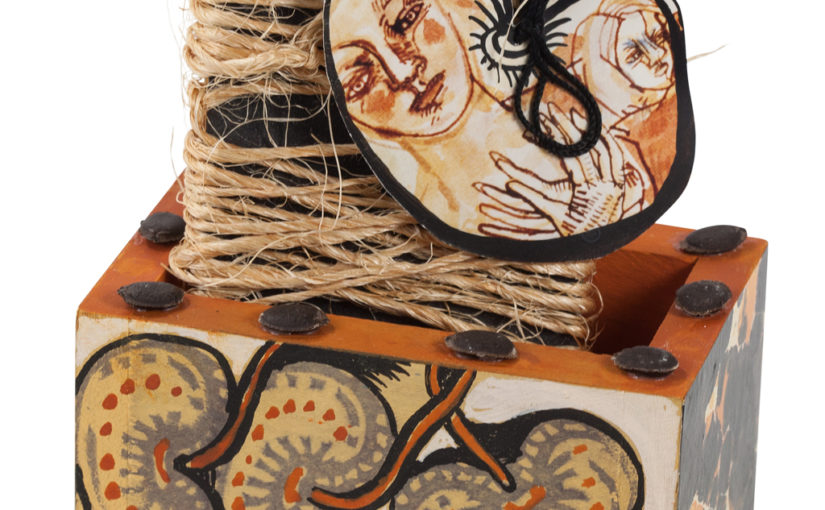
Es Mi Cuerpo
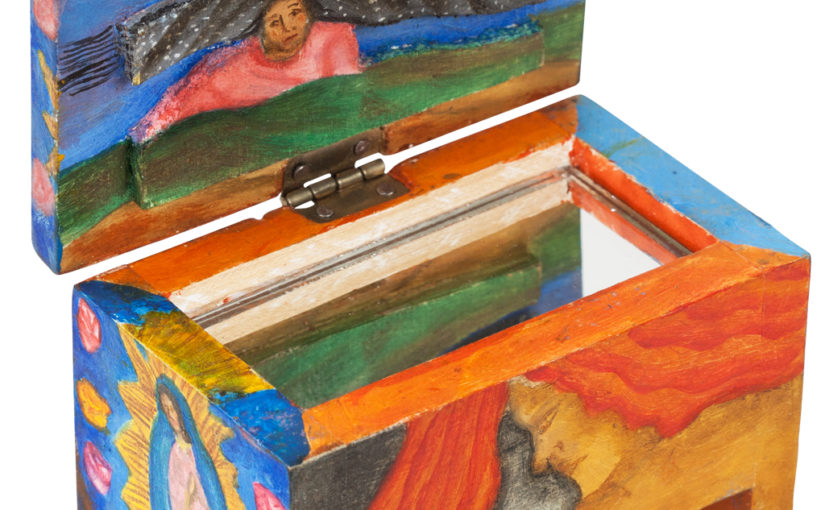
El Corazon
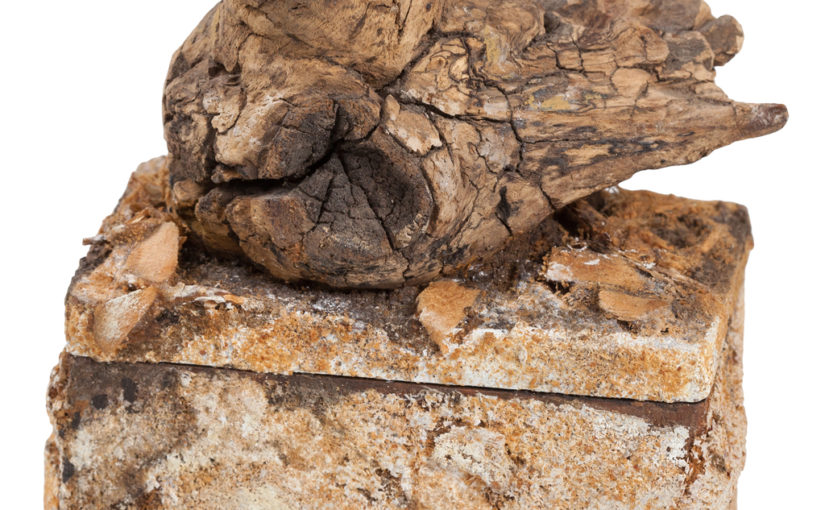
Bird of the Forest
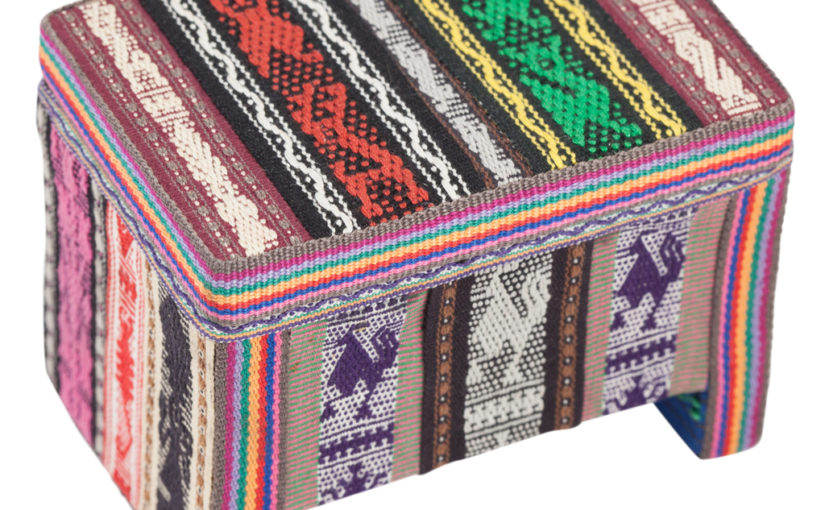
Untitled
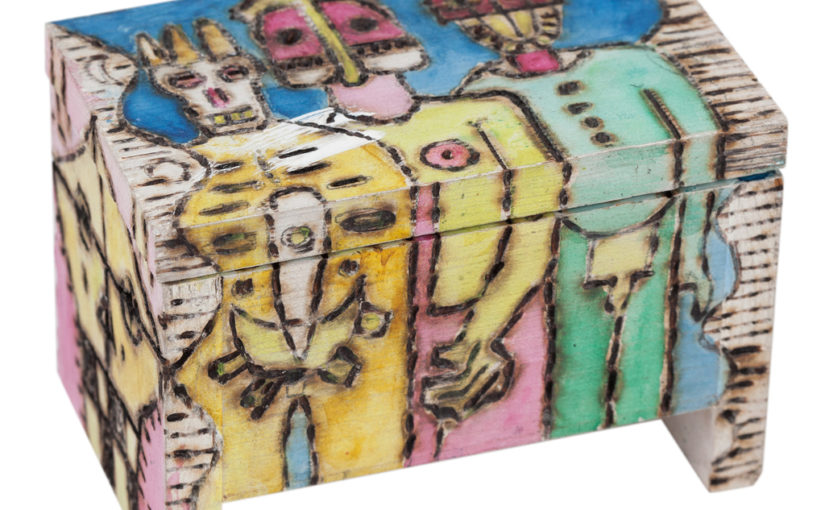
Untitled
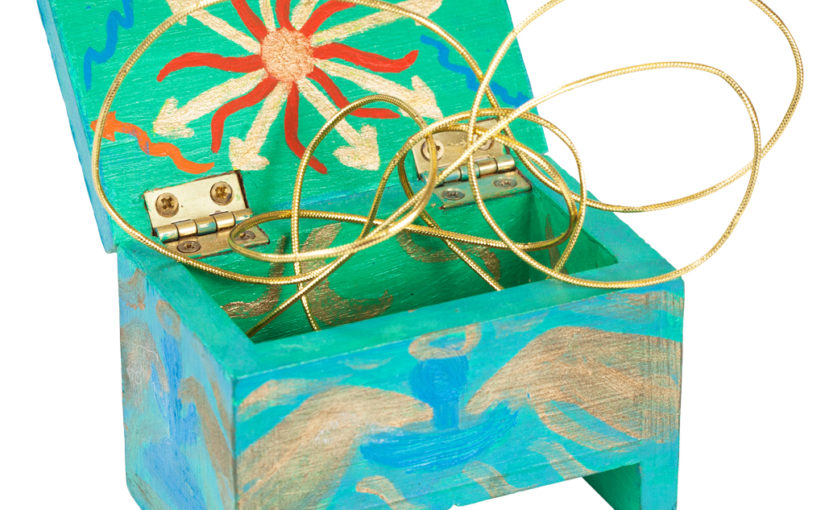
Games
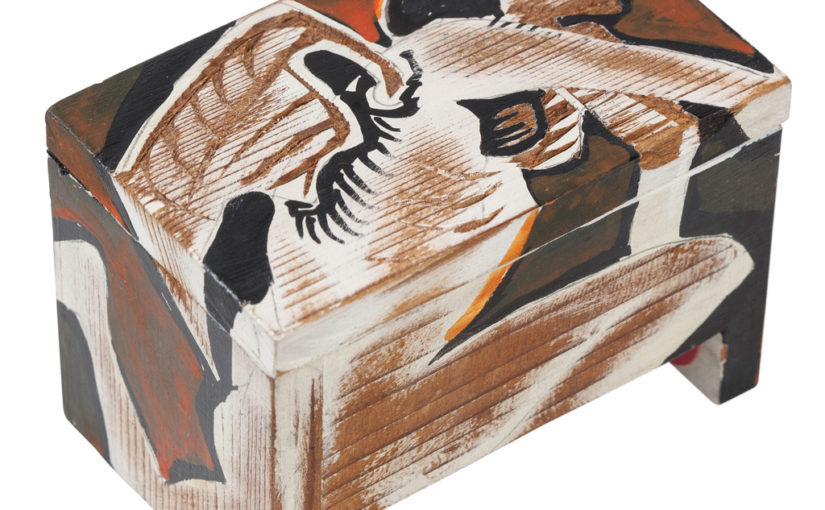
Untitled
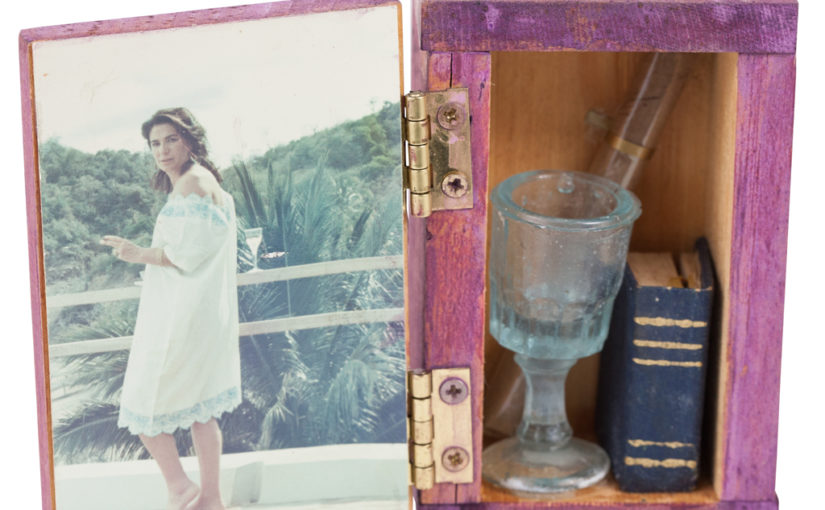
Para Olvidante a Ti
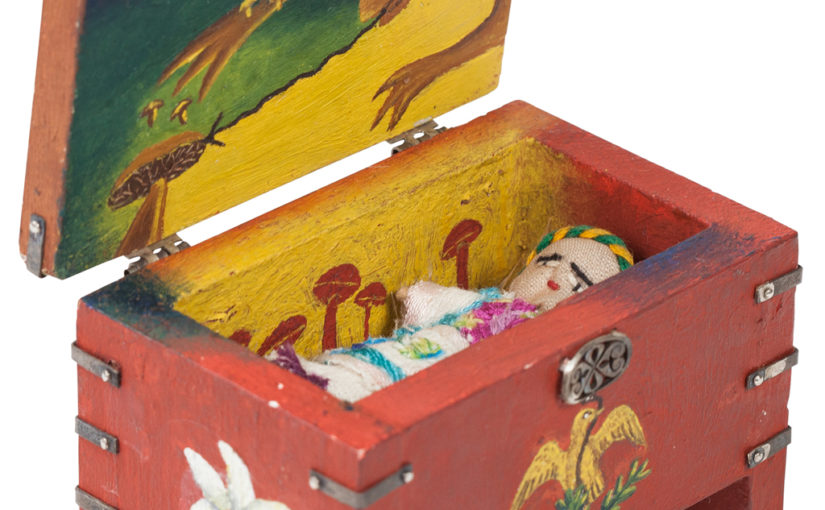
El Mundo de Maria Sabina
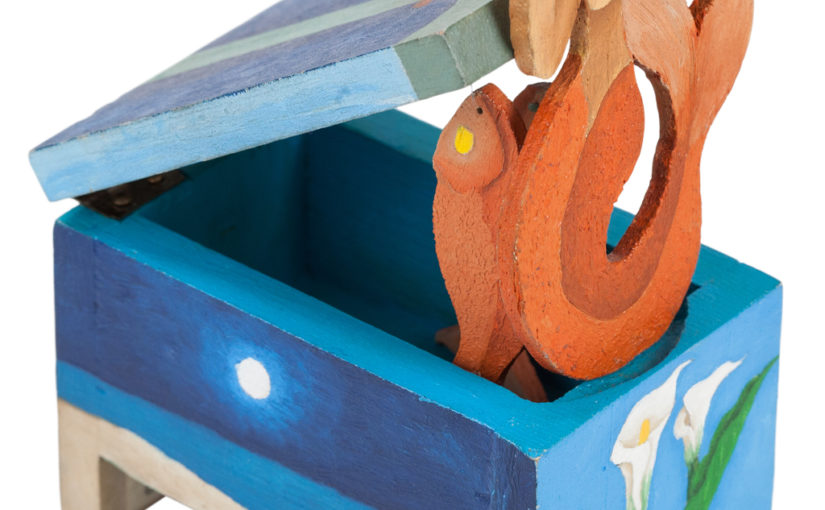
Untitled
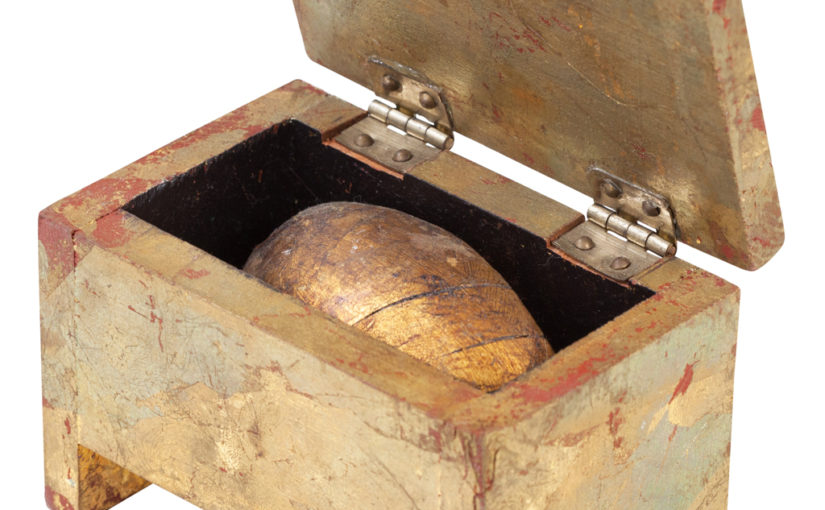
Deseo Atrapado
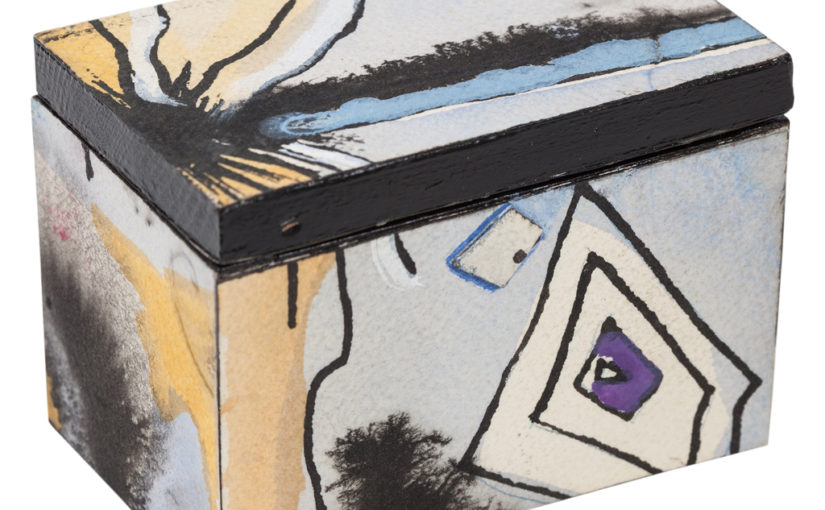
Cosmogonia
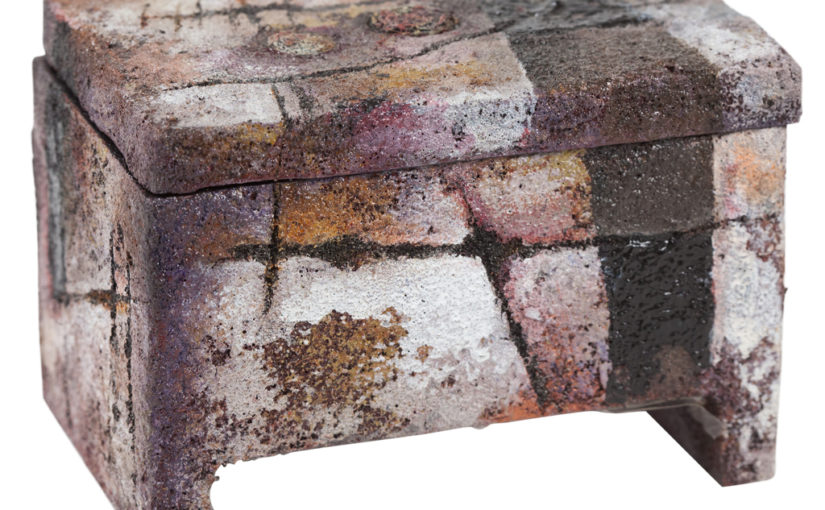
A Piece of Eternity
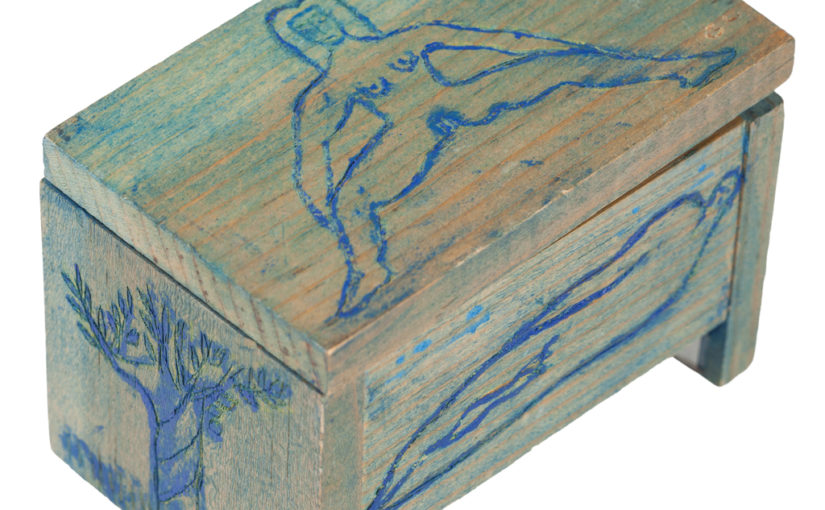
Look at the Mirror
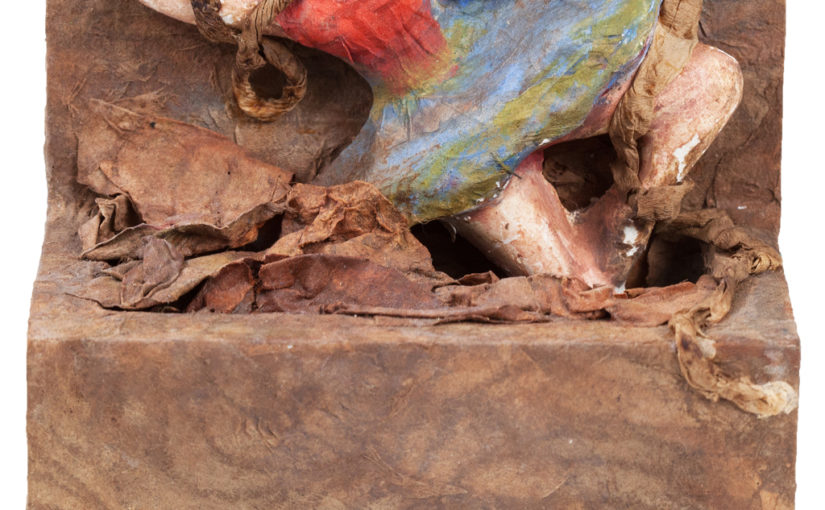
Burial of an Artist
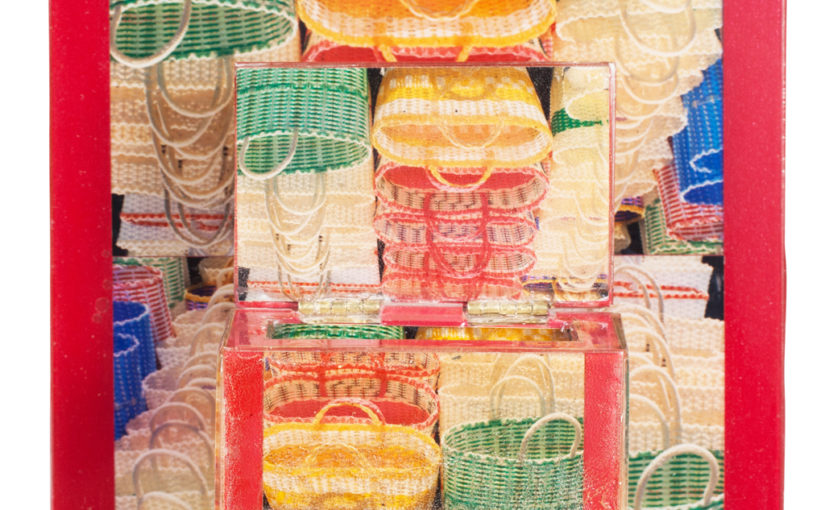
Untitled
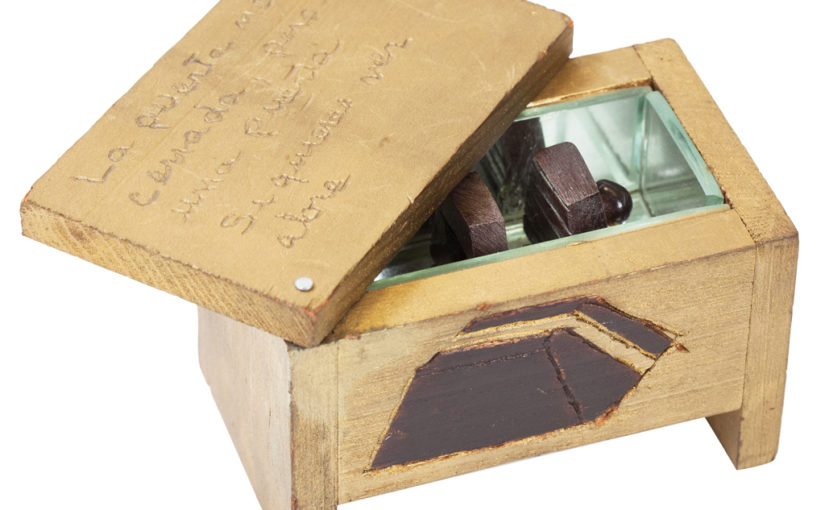
Untitled
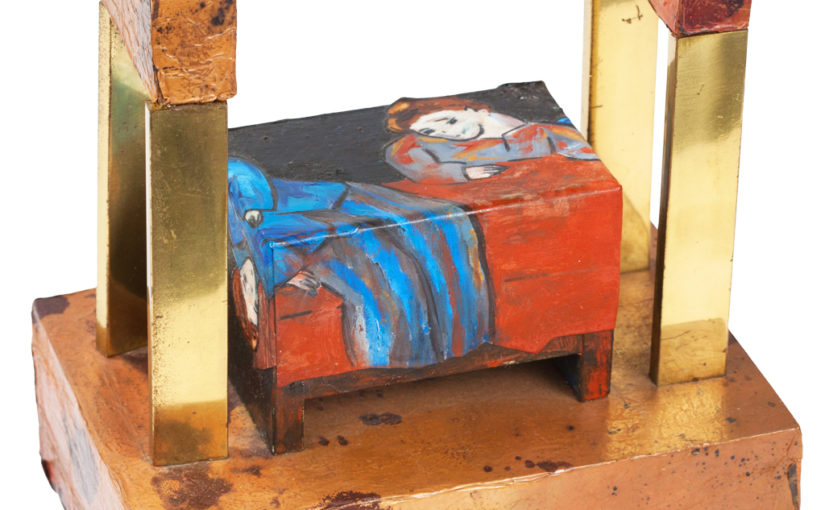
Sad People
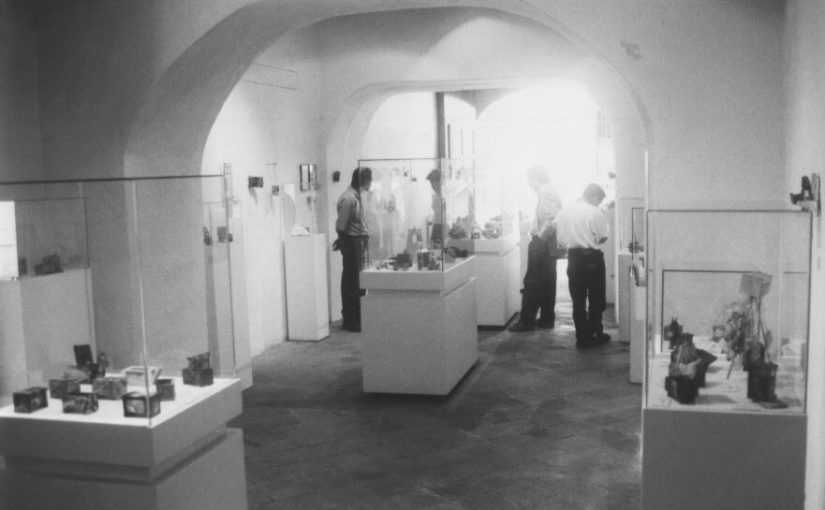
MEXICO

Contemporary Art Museum
Oaxaca, Mexico
October 17 – December 4, 1998
Fernando Solana, Director
Mari M. de Olguin, Coordinator, La Casa de Mujer
Shirley Chernitsky, Curator
Cynthia Martinez, Curator
Rowena Galavitz, Curator
Justina Fuentes, Coordinator
Mary Heebner, Contact

The success of WBB in Oaxaca has been wonderful, every time I pass the museum it is jammed with people visiting the exhibition.
– Mari M. de Olguin
The Women Beyond Borders exhibition in Mexico brought together artists from different socio-economic classes for the first time. Women from small villages in Mexico who work in crafts and don’t normally see themselves as artists came together with prominent artists from the big cities. After the great success of the exhibition, the director of the Museum of Contemporary Art in Oaxaca decided to start collecting women’s art at the museum. Margarita Dalton, a Mexican poet and anthropologist wrote the statement below for the exhibition.
AN EFFORT OF PEACE AND HARMONY
Oaxaca Museum of Contemporary Art
Margarita Dalton Palamo Ph.D., Anthropologist – MEXICO
Women Beyond Borders tells much more about the human condition than all of the peace agreements that have been signed in the world today.

Women Beyond Borders comes forth as a flame that ignites the mountain. The artists started working knowing beforehand that their work would travel around the world. Therefore we find extraordinary labor of hundreds of women joining their wills to discover something that we all have in common; the desire to express deep feelings through art.

The women artists have united themselves to declare with their art, with their sensibility, and creativity, that they share a common universe. They participate in a planet that expands and joins us as sisters and brothers beyond the borders of political differences, religious ideologies, and aesthetics. Beyond everything, there are similarities in all human beings. There is a humanist dimension without borders.
Women Beyond Borders is an effort for the peace and harmony that must prevail in the world. An effort that synthesizes the desire to unite and to combat the real enemies of all women: hunger, sickness, injustice, inequality and pain in all their representations.

The will that moves mountains has become a reality, “The dream of a common language”, as Adrienne Rich stated. The language of art in these boxes expresses the feelings of each woman who participated in the exposition and as a whole is the expression of millions of women in their daily reality. Women Beyond Borders tells much more about the human condition than all of the peace agreements that have been signed in the world today.


SEE BOXES FROM MEXICO
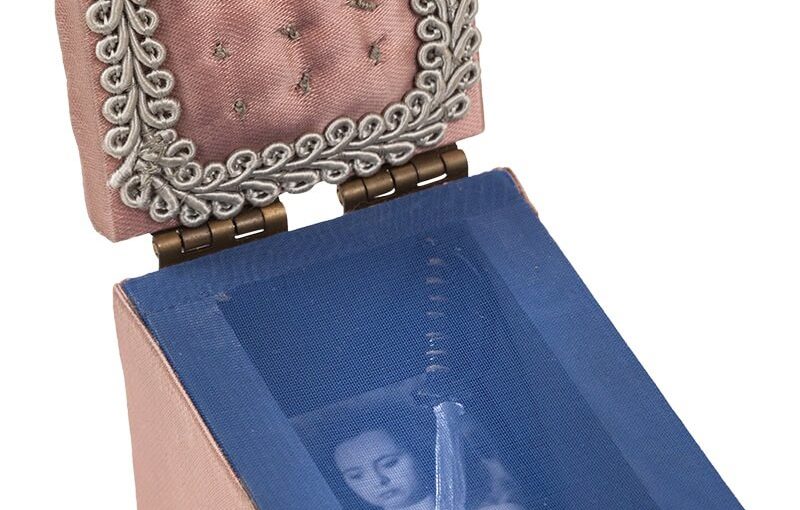
Posibilidades
What is this piece about? For me, it’s about the danger of sensuality. How we are beckoned by the flesh. How our desire can become our anguish. How a wrong decision can mean death, be it of the spirit or the body. How the need for self-destruction can be initiated in a seemingly healthy person from the hurt and pain of a relationship. Thus — the presence of the sword. Although I also see this sword as positive, perhaps a form of protection or an attribute, like that of Saint Agnes. *
The question of violence enters in here, too. This woman — in all her sensuality — is in a coffin. Why? Was she a victim of violence, of rape? Can our sensual self die under certain circumstances? Is our nudity kept hidden away in a dark, quiet place?
The veil also invokes the mysteriousness of Muslim women, their eyes being their only available sensual feature.
* (Saint Agnes was very beautiful, but she rejected all of her suitors, one of whom became angry and had her condemned to death. Since it was forbidden to execute virgins, she was first sent to a burdel. Nevertheless, no man was able to touch her. After being tortured, she was finally decapitated. She is often portrayed with a sword piercing her breast. She is the patron saint of virginal innocence.)