
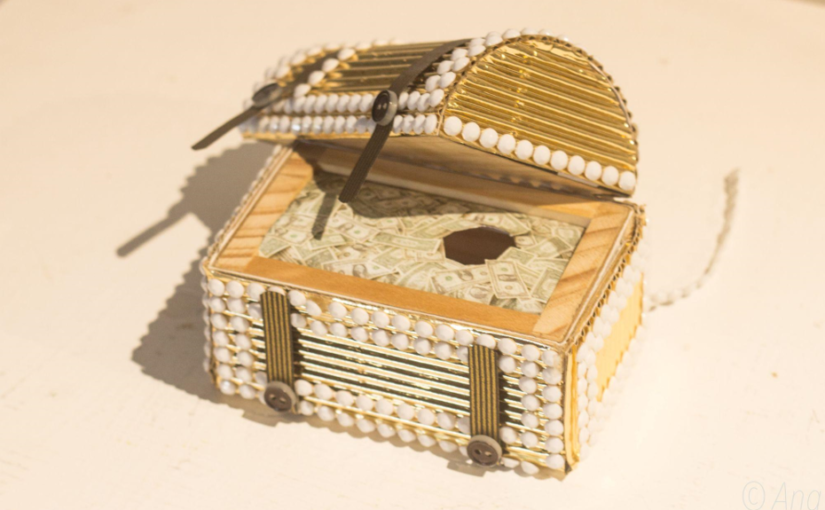
In fact, people are born with some precious wealth, but as the years grow up, the more you see and the more you experience, they gradually change. And when you open it, what do you see? Treasures are not always friends, but friends are always treasures!
Category: Treasure Box
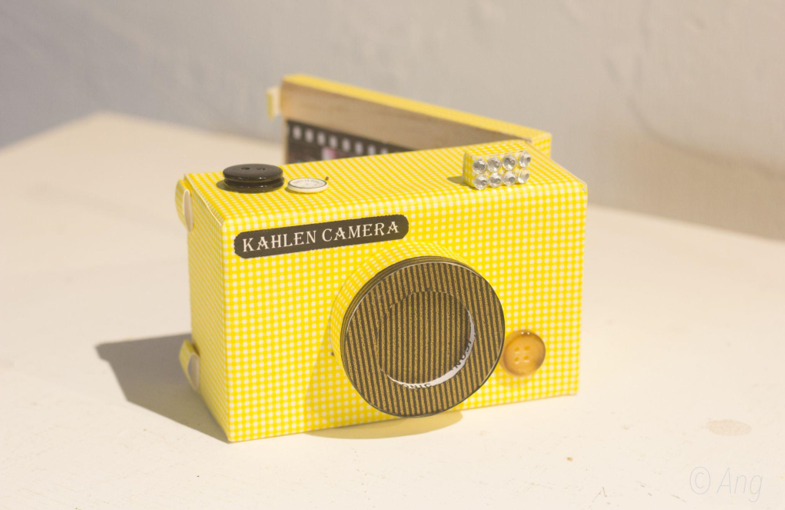
Buddy Camera
生命是美妙动人的音符。总想留下片刻的记忆,细细品味。相机胶卷中存储的内容是一种爱好。照片让珍贵的相聚瞬间,留住瞬间的永恒。
Celebration of Beauty
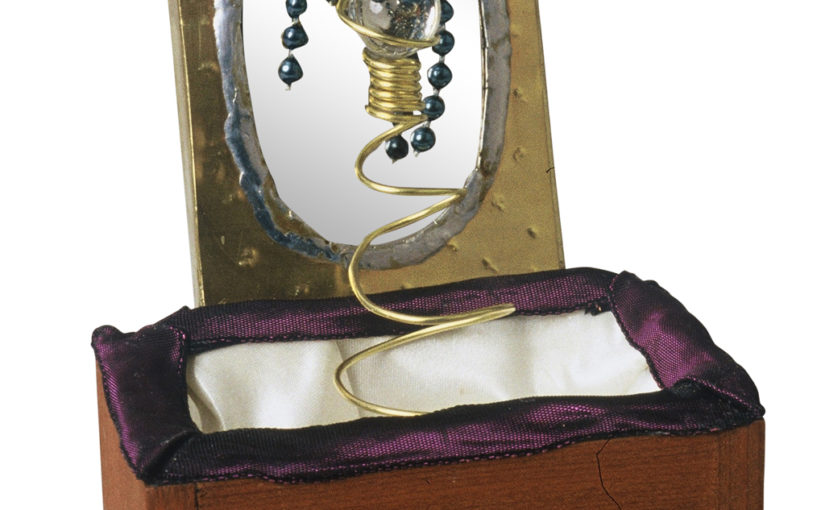
My box celebrates the beauty of women. The jewelry box, a classic symbol of femininity, is elegant and beautiful as is the women rising out of it. She is transparent as air and looking at her, you see your beautiful self reflected in the mirror. A universal woman, she is not confined to the box, but rising out of it. She and the mirror remind us that no matter who we are, our age, race, color, size, economic standing or physical ability, we are all beautiful.
Untitled
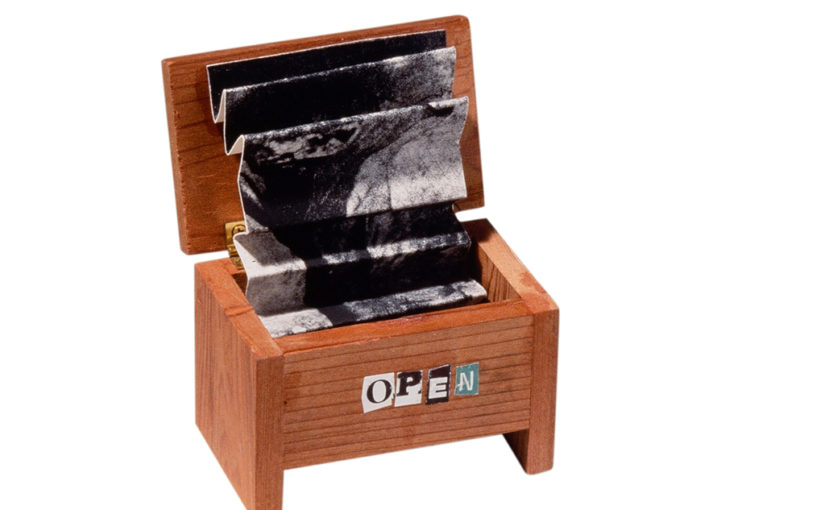
I treated the box as an objet trouve, a modest thing with some forgotten purpose in its past. Upon being discovered, it brings to mind associations, and memories which unfold and spread out when the box is opened. Part object, part landscape, the image within the box does not recall a specific locus; rather, it reminds us of things that we know are memories. But these are stored in such distant lands that they cannot be conjured, they can only be gazed over.
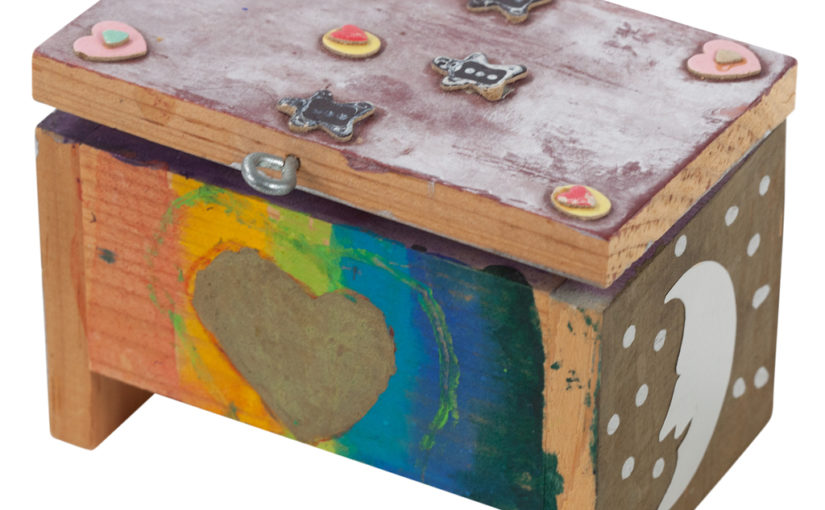
Untitled
Age 6
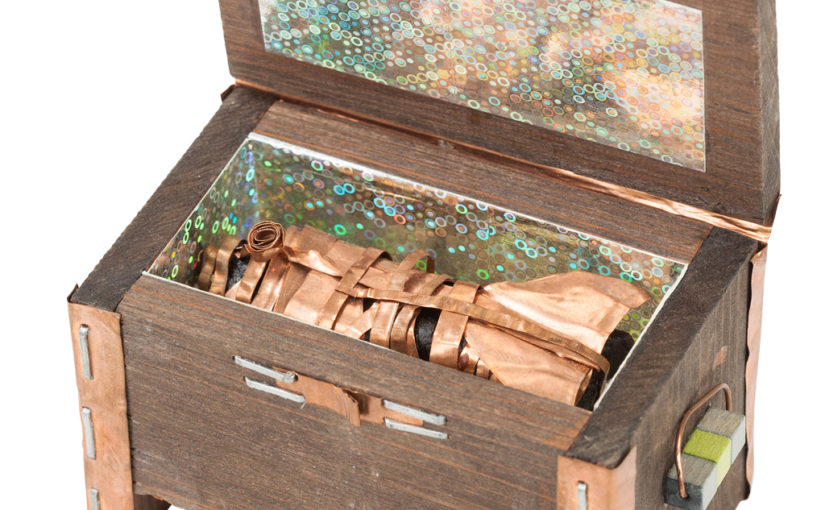
Copper Fish
A simple wooden chest, crudely decorated, is uncovered. What is inside? The lid is pried open to reveal the legendary Copper Fish floating in a sea of bubbles.
On the 25th of November 1922, the first stone was removed from the walls sealing the entrance to a pharaoh’s tomb in the Valley of the Kings, Egypt. Six years of painstaking archaeology work was rewarded by the discovery of wonderful and curious objects housed in an array of boxes. One can still imagine the thrill that the explorers felt.
The rediscovery of a forgotten or lost box never ceases to inspire curiosity and optimism.
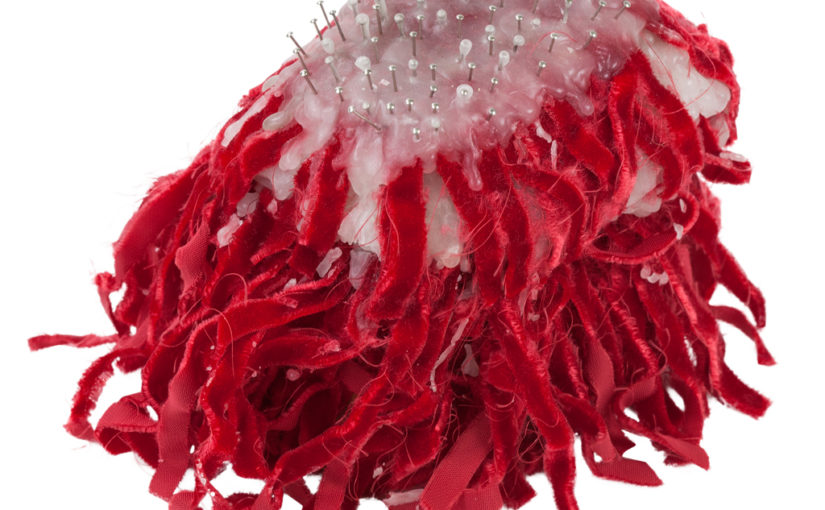
One Thousand Years of Sewing into the Night
My grandmother’s sewing box, a gift from her mother, handed down to me by my mother, is my inspiration for Women beyond borders. I have made a tiny sarcophagus of pins, cotton and frayed red velvet – to symbolize thousands of droplets of blood from pin-pricked fingers – all embedded in the wax of candles burned into the night, lighting women’s often unappreciated work of skill, toil and pleasure.
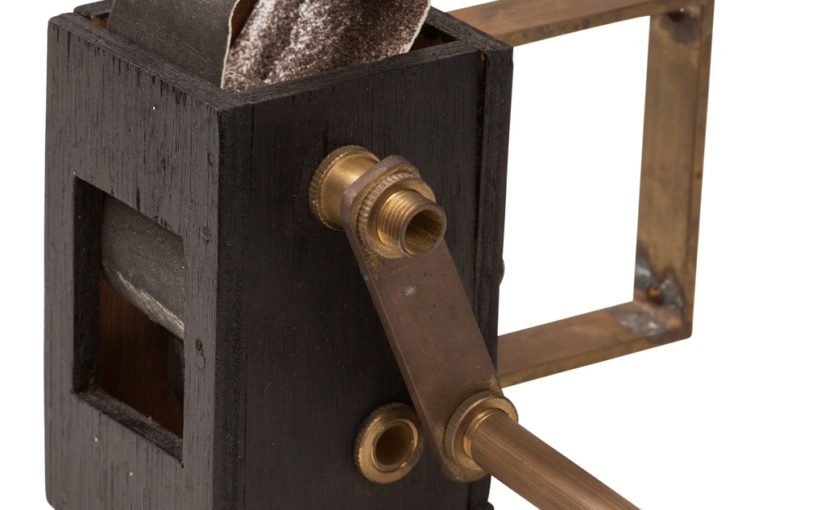
Untitled
I treated the box as an objet trouve, a modest thing with some forgotten purpose in its past. Upon being discovered, it brings to mind associations, and memories which unfold and spread out when the box is opened. Part object, part landscape, the image within the box does not recall a specific locus; rather, it reminds us of things that we know are memories. But these are stored in such distant lands that they cannot be conjured, they can only be gazed over.
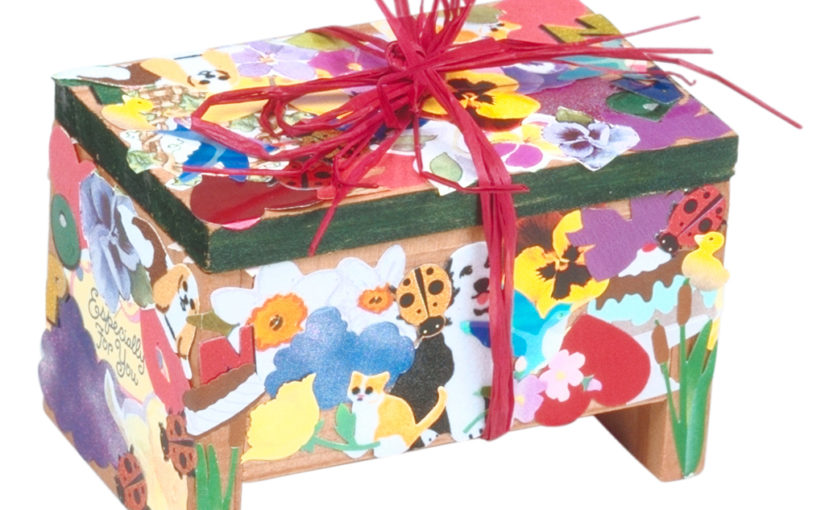
It’s the Little Things…
This box is a design to remind me of the happy things that are a part of my life most every day. The things inside are necessary material things that keep us together… in more ways than one.
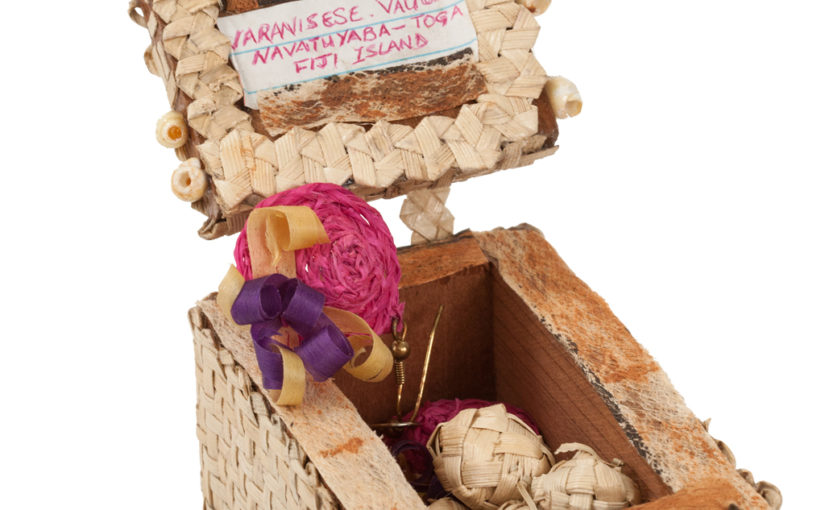
My Treasure
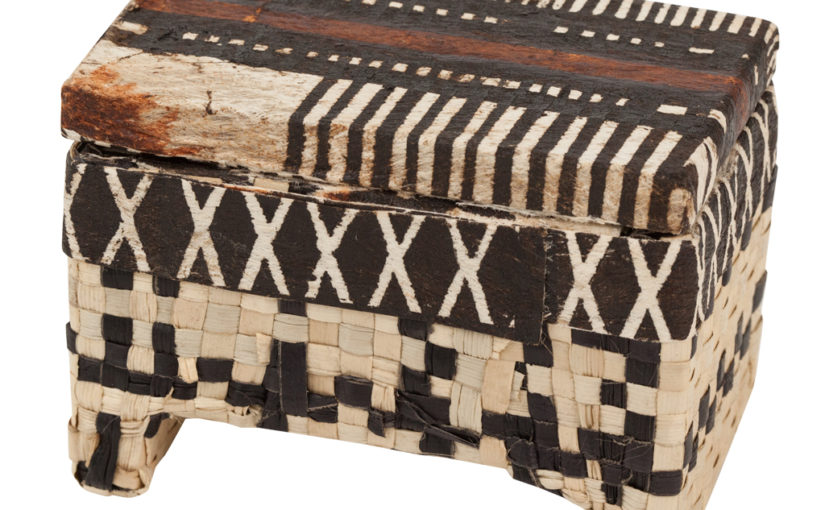
Pusa
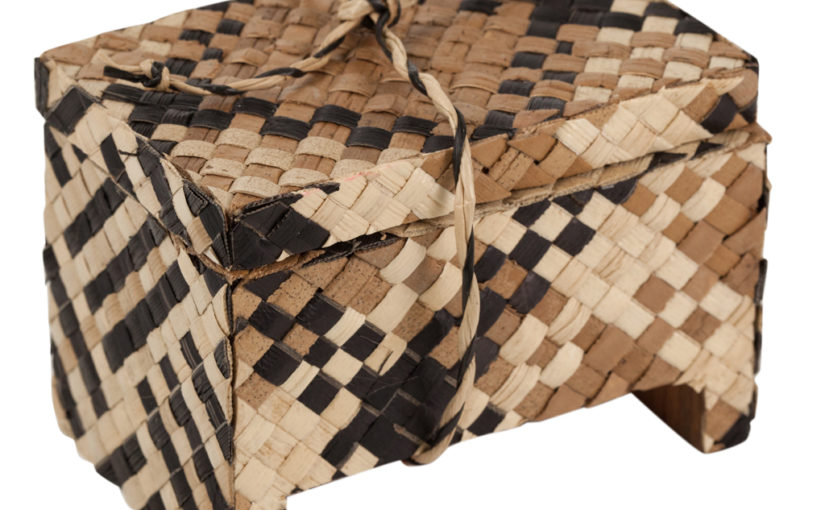
Jewelry Box (Volvoi)
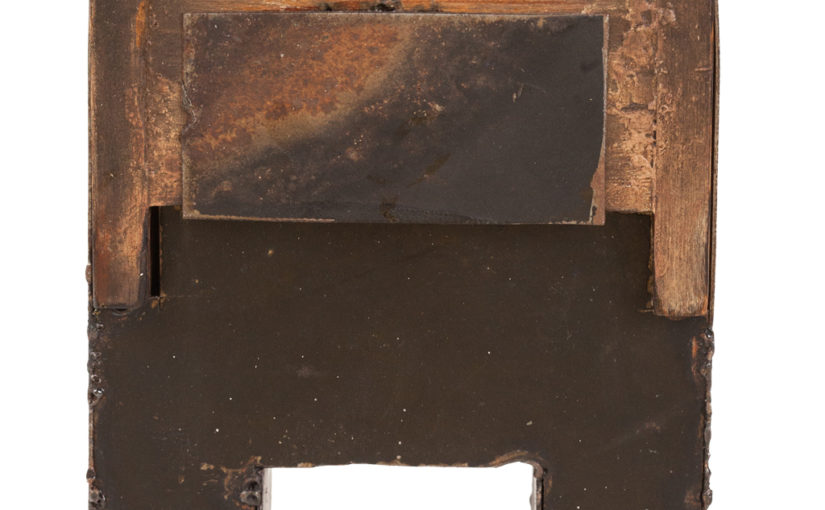
Untitled
This contribution has the intention of respecting the original box in its form and functionality. The dear box brings important and meaningful images to my mind. It can be said that I collect shapes of different character and dimension. At times my sculptures are developed from one of these shapes. Today I have put together a number of them as protagonists of our origin, our roots: an exuberant treasure that all of us can return to.
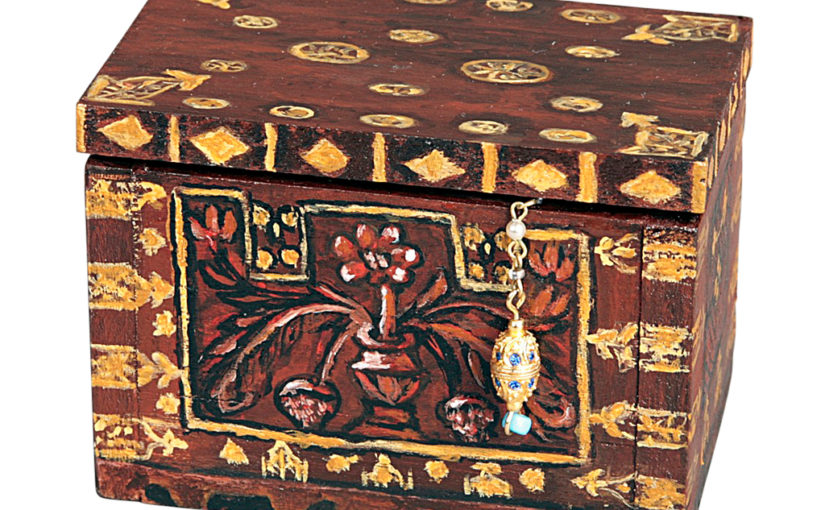
The Bridal Chest
Sanduq Al-Saysum is a type of chest which used to be carved by craftsmen in the Holy City of Makkah (Mecca) from hard wood and decorated with pierced brass. Traditionally, these were one of the prized possessions of a bride which she brought with her to her new home. Being large and very heavy, they were used as safes. Inside were kept valuables and family heirlooms. Even though few now live in the traditional homes, Saysum chests are still to be found in many modern homes.
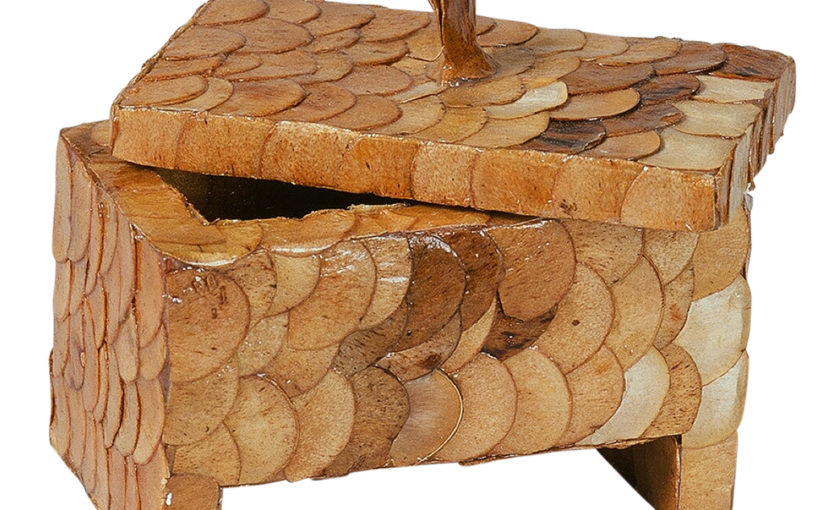
Jewelry Box
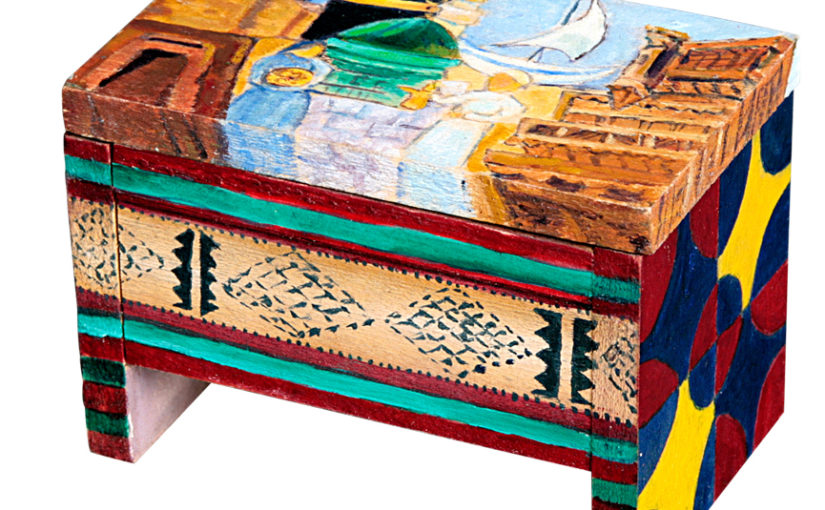
Chest of Heritage
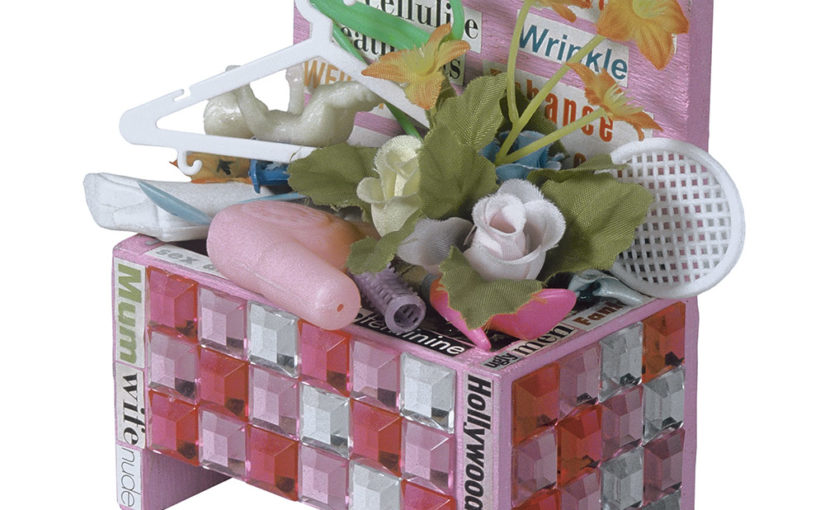
The Price Of Beauty
My piece is a treasure box that is beautiful and appealing on the outside, but on the inside it contains the bad things about being a woman, i.e. dieting, sex, wrinkles, which in turn is the price of beauty.
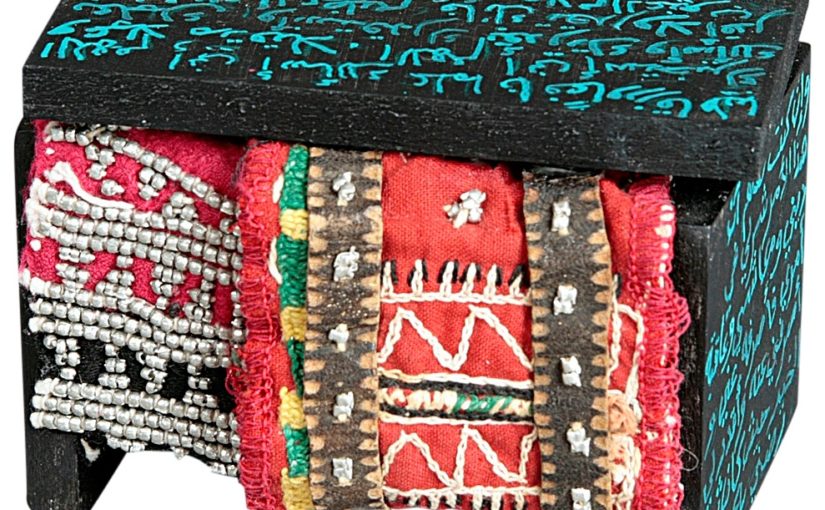
Hidden Beauty
Real beauty is hidden and then found like a box of treasures. These textiles represent women from different regions of my country. A heritage that should be preserved for our children.
The words on the box are prayers: to make good choices; be a better person – humble, patient and thankful.
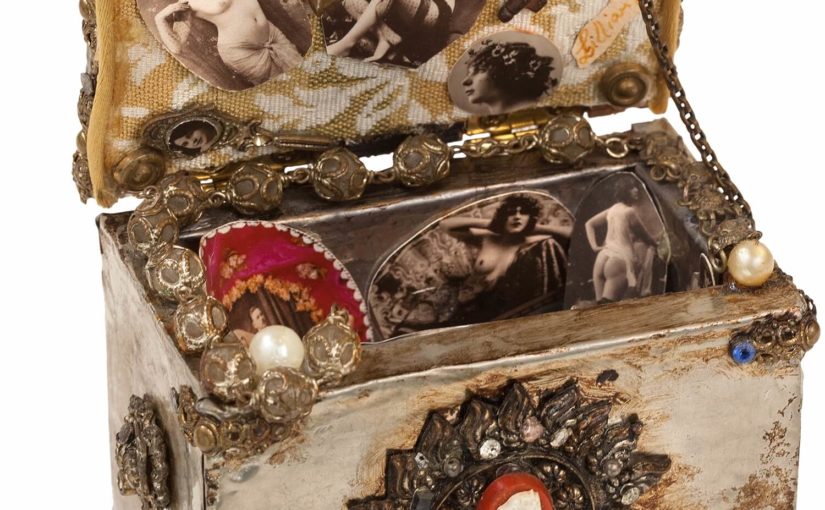
Nostalgia Box
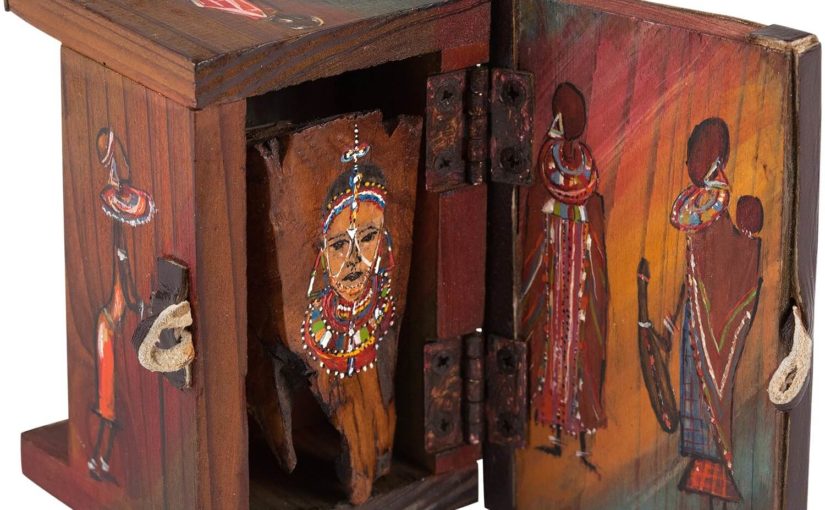
My Culture My Pride
The Maasai are a pastoral people who live in Kenya and Tanzania in the Great Rift Valley of East Africa. The Maasai believe all the cattle on earth were given to them by God. The Maasai way of life is spent in moving from one place to another in search of grass and water for their herds.
Today, the unique customs and traditions of the Maasai still exist and are treasured by them. Great effort must be made by all to see that this treasured culture is preserved for the future.
By revealing this beauty of the Maasai people, I hope my contribution in some way helps in the preservation of this priceless culture.
The small portrait is of a Maasai woman painted on a fragment of a special and very useful “Oleleishwa” tree. The tree is used by the Maasai to clean calabashes for milk, as perfume, for making clubs and thatching beds.
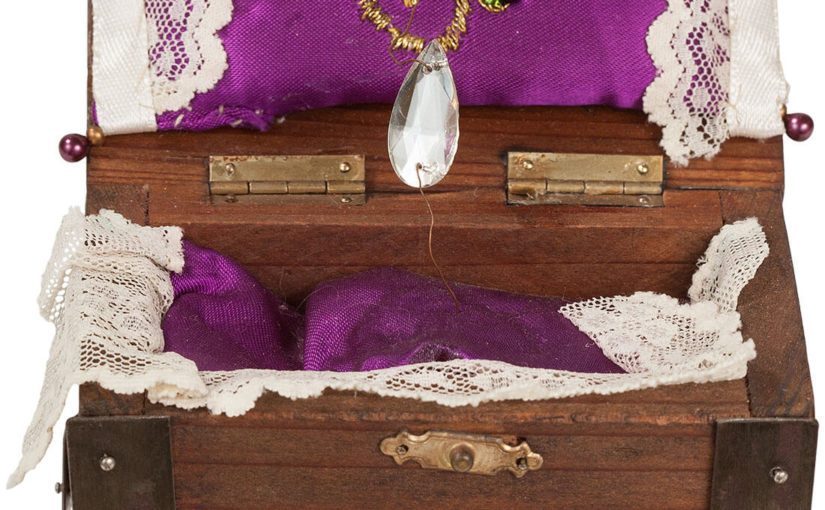
Just A Tear
The box: the everyday object is used in different ways. It is taken out of its specific context in order to become an object that is artistic, cultured, of utilitarian adornment.
In this case the change is taken from a philosophical, conceptual foundation. To accept this transformation from a common, everyday object for purposes of exhibition, it is necessary to take on the challenge of new shapes and ideas, to comprehend their true structure in order to give it symbolism and a distinct visual representation: a confrontation between form and action, between reality and idea. This is to say, the object must be viewed from another angle in order to break the established canons. This shall be the philosophical stance for my work.
My subject is tears. I began with an incision between the warmth and gentleness of the wood sharply contrasted against the rigidity and coldness of the metal exterior, in order to place, in its delicate interior, a tear.
Tears are shed daily; they are commonplace and become relics when taken out of their context, just as the crusaders brought back relics from the Holy Land: pieces from the cross, from the crown of thorns, from the robe, from the nails. These amulets, upon being sacrificed, acquire properties of protection for those who hold them.
This syncretism happens in the Americas, lands which we carry deep within ourselves from the cultures of our origin and the influence of the Christian religion brought over by the Europeans.