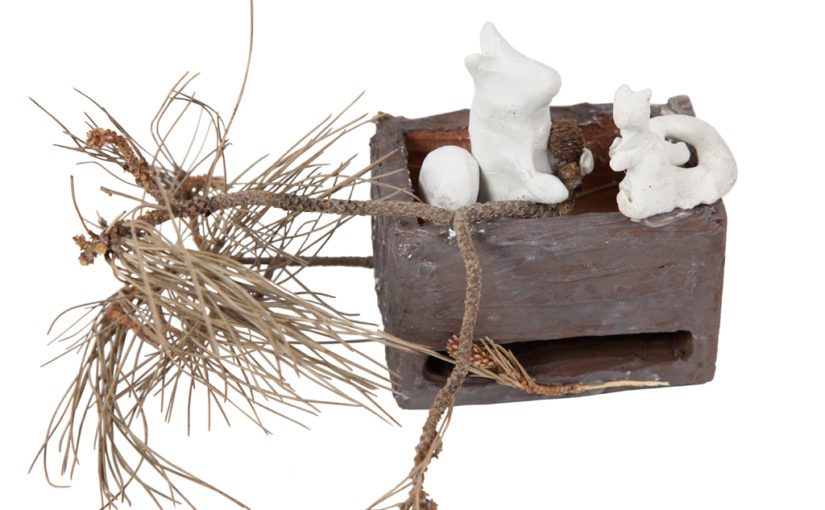
Culver City High School, Grade 11.
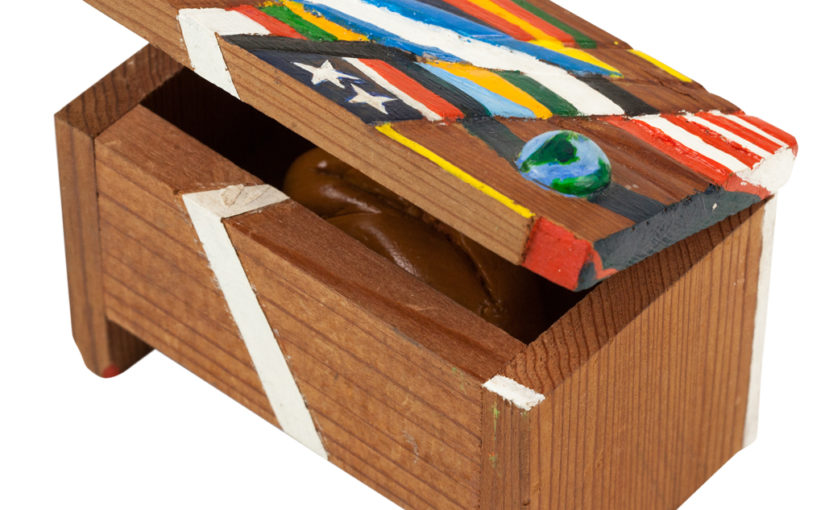
It doesn’t matter who you are and where you live, it’s what you make of it.
Culver City High School, Grade 11.
It doesn’t matter who you are and where you live, it’s what you make of it.
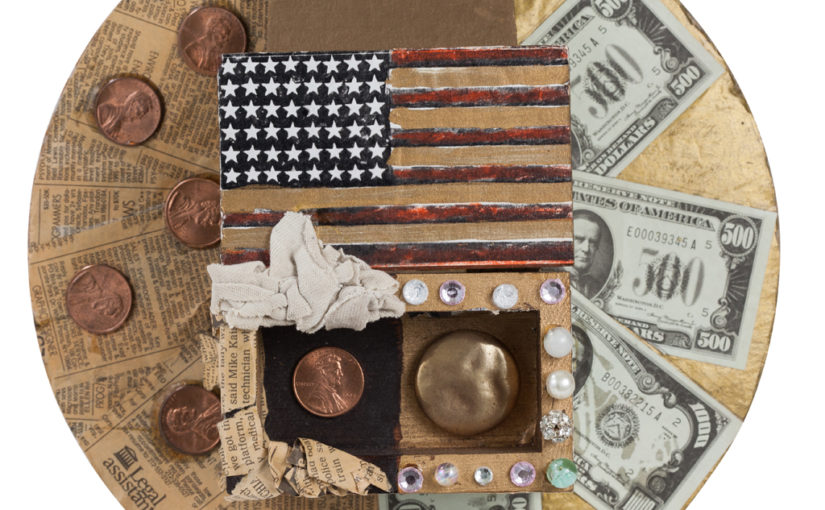
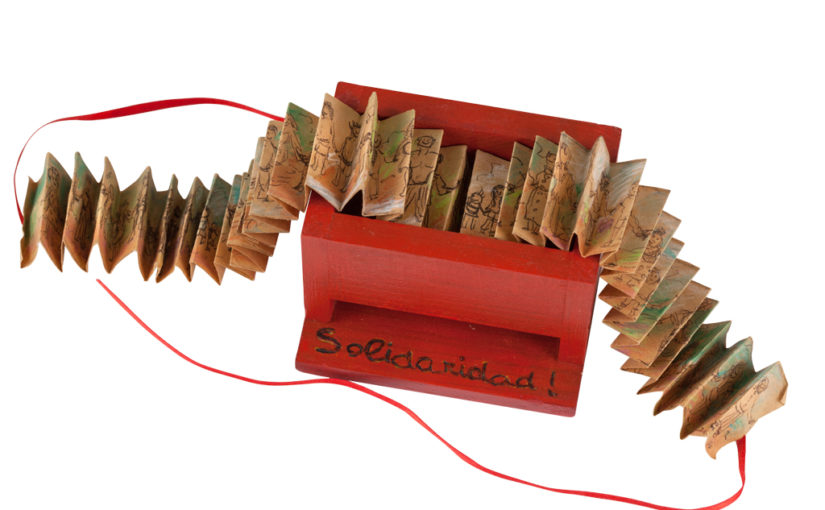
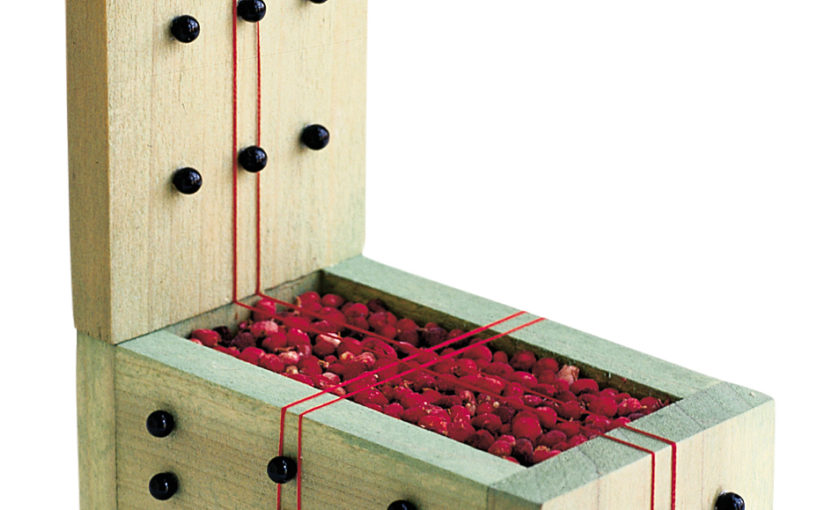
This box purports to show the great disparity of living standards in the United States and the enormous differences in the haves and the have-nots.
In the 1970’s I photographed migrant workers in central Florida. The situation there was not too different from the photographs taken by the Farm Security Administration in the Thirties and the situation is the same today. In one camp far from civilization the workers lived in converted buses with 1 toilet and shower facility for over 70 people. The children did not attend schools as they were too far away. When the government finally closed the camp, they simply moved further into the outback.
Whole families worked the groves, including young children, but that was the only way the families could earn enough for the day.
Contrast this with the luxurious life styles of some today. There is a widening gap between the rich and the poor. As technology dominates the employment field, those with little education are doomed to low paying or no jobs at all. Our society is becoming more stratified economically.
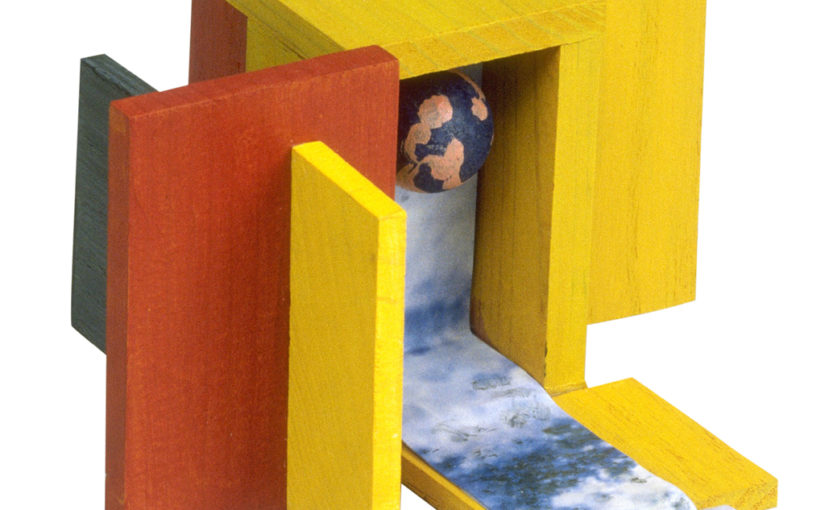
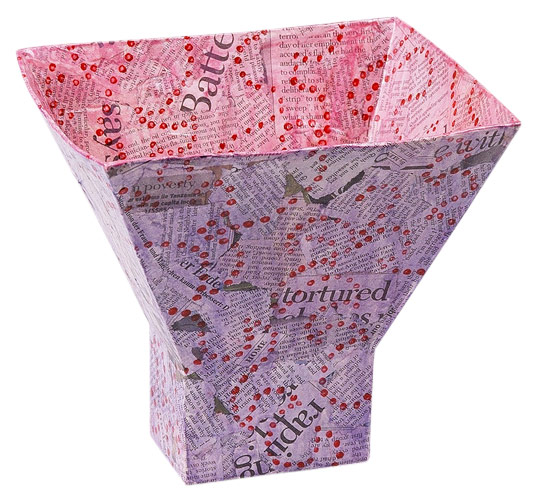
The box is shelter but not containment. It encloses and opens out. It is both inside and outside, both in and from the world. Retaining the box, I have upended and extended it by replicating its components.
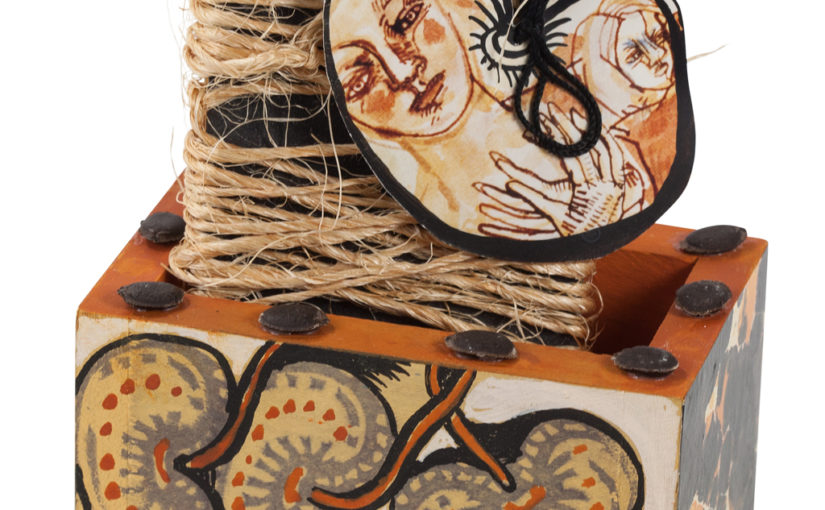
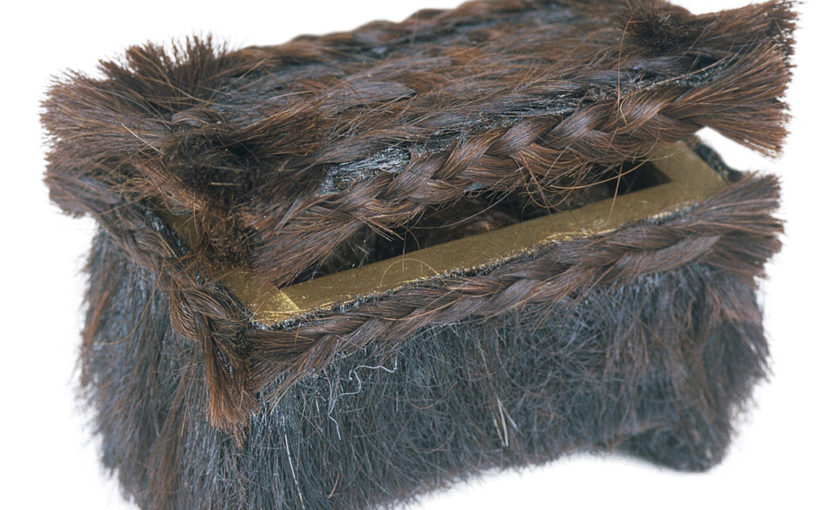
The workings of a patriarchal symbolic system have long associated culture and mind with the masculine (esteemed), and nature and body with the feminine (constantly devalued). This work attempts to reevaluate that which is defined as inferior by deliberately using a body part that refused to fit into any particular definition. Hair– a symbol of sexual prowess (or lack of for the Western nudes)– also acts as a “momento mori”, marking lack. It is a significant abject material, highlighting the slippage between opposites, the living and the dead, the sensual and the repulsive. Because it stands at the borderline separating the inside and the outside of the body, it holds simultaneous powers of fascination and horror. The weaving and braiding of hair in this work act as a metaphor for the bonding and networking amongst women.
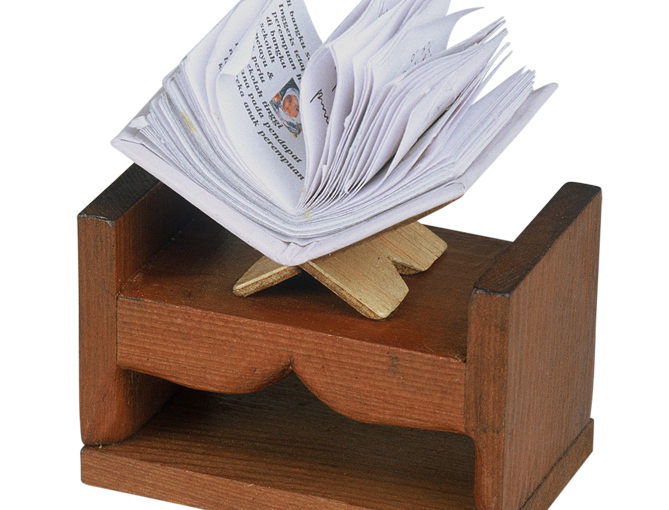
The contemporary Malay woman has been able to breakthrough poverty and tradition, from being illiterate to literate. Through the education system, the contemporary Malay woman has contributed to the community through her professional practice/skill. By using a box as a boundary confined to a space, I have inverted the box and carved into it ‘half ‘ patterns to imply the act of being out of the boundary. Entitled Bacalah! which means read, the journal resting on the box represents the spread of knowledge to the masses through a learning process. The inversion of the box with the journal alludes to the breakthrough that the contemporary Malay woman has made and that she is no longer being confined. As learning should start at a tender age where ‘the children of today shape the community of tomorrow’, an image of a child appears on the open page of the journal. The documentation for this project reflected in the journal was carried out in the form of a survey among Malays and non-Malays on their perceptions of the contemporary Malay woman.
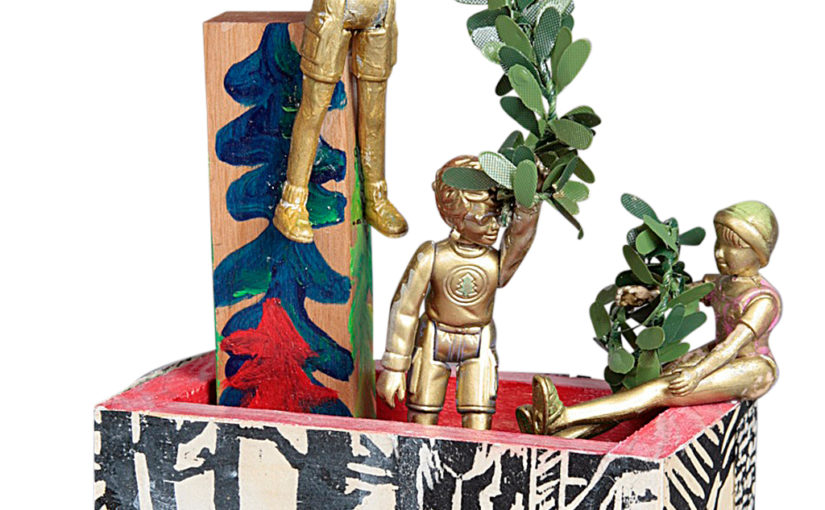
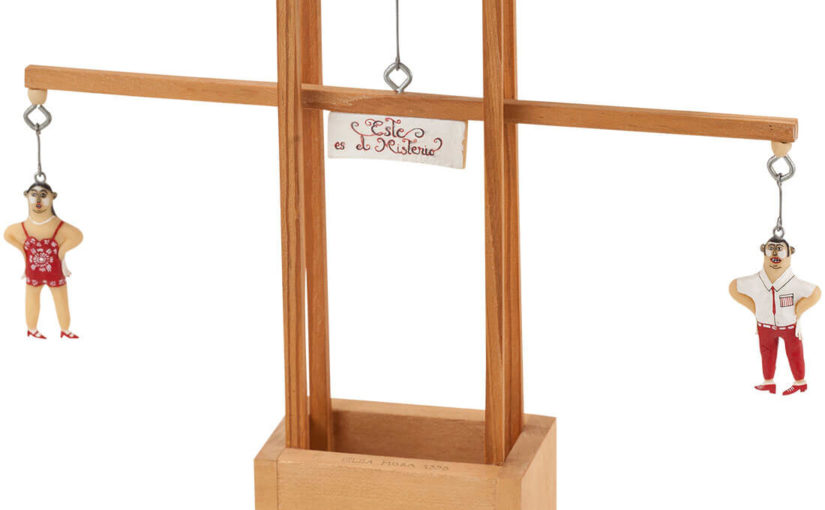
I Can See Beyond the Forest and Thru the Trees Now speaks for all modern women and will hopefully in the future. We no longer are tied to aprons, but represent a significant change in our roles, as mothers, policy makers and breadwinners. In the 60’s, we were underpaid as educators and had less chance to be put into responsible position in life than our counterparts. We have come a long way in forming the framework for the future.
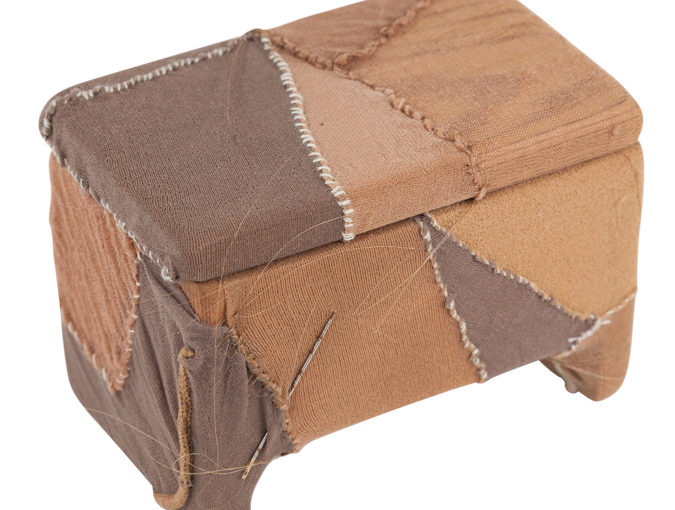
This box of boundaries and borders of seams and skin-colored patterns uses the images produced to explore the possibilities of connection. By using these borders between colors of skin as a connection instead of a boundary of separation, it creates a quilt-like or map-like pattern. The connection of the visual image similar to a map and the intellectual understanding of different ethnicities throughout the world attempts to introduce the possibility of these coming together beautifully without attempting uniformity.
This cloth covering, this skin is also superficial. This cloth is synthetic and covers the box almost completely, except for one run in the stocking and one square wall inside the box. These show the natural wood underneath this cloth skin, the same wood each woman began her box with.
The images produced from this quilting of panty-hose is almost primitive and yet the material is a symbol of progressive, fashionable women. The appearance of smooth, uniformly colored legs has been considered beautiful in Western Europe and America for some time now. This aspect introduces the difference in perspectives of beauty.
Sewing with my hair weaved in the traditional concept of long hair as beautiful and feminine. This image of women’s long hair is in many regions and reminds me of the many places I find hair I have shed, in the bed, in the shower, on my clothes, on the floor. Historically in some areas women used to sew with horse hair. The concept of women’s hair connecting many regions twists the projection of beauty into a powerful relationship where the object that was used as a thing to look at, now fulfills the position of bridging the boundaries, of connecting the borders.
The process of sewing this box reminded me of the women throughout the world who sew for their families and communities. They create to keep people clothed and warm. The process is time consuming and requires patience and care. The needles remain hanging from the box by hair and thread because we are still in the process of sewing our borders and recognizing our differences and using these to create a new understanding, a new connection of women artists around the world.