
Tag: Wood Carving
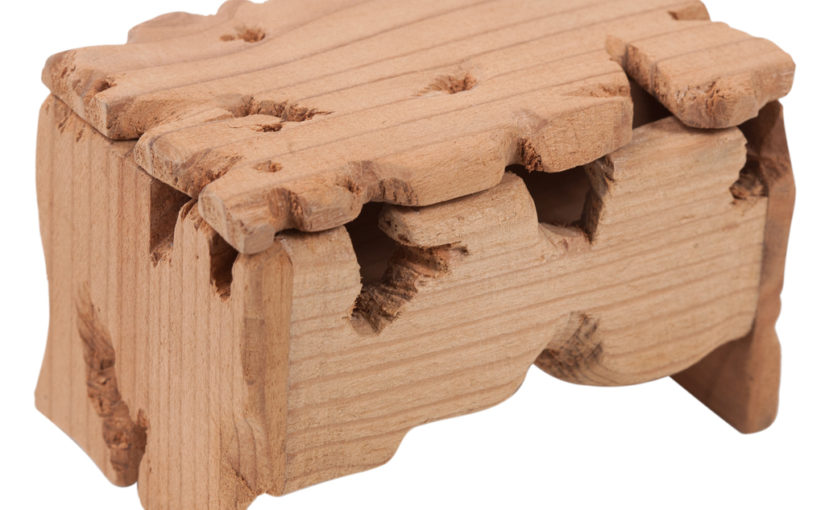
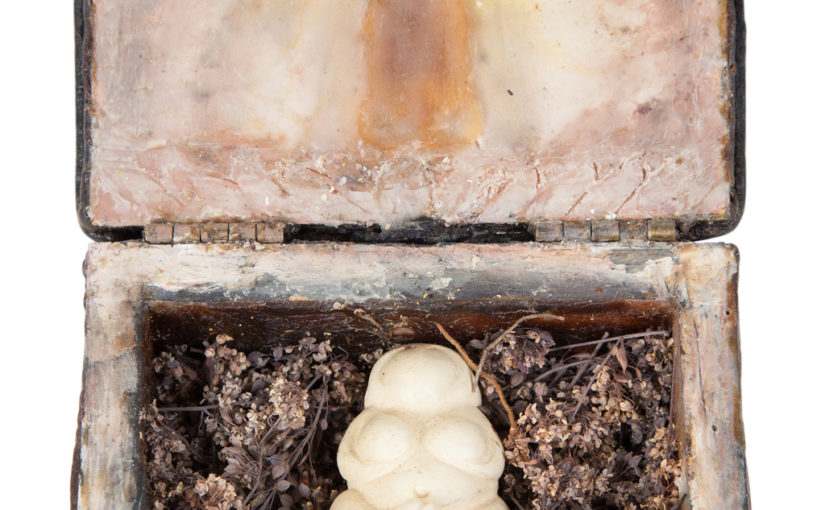
Untitled
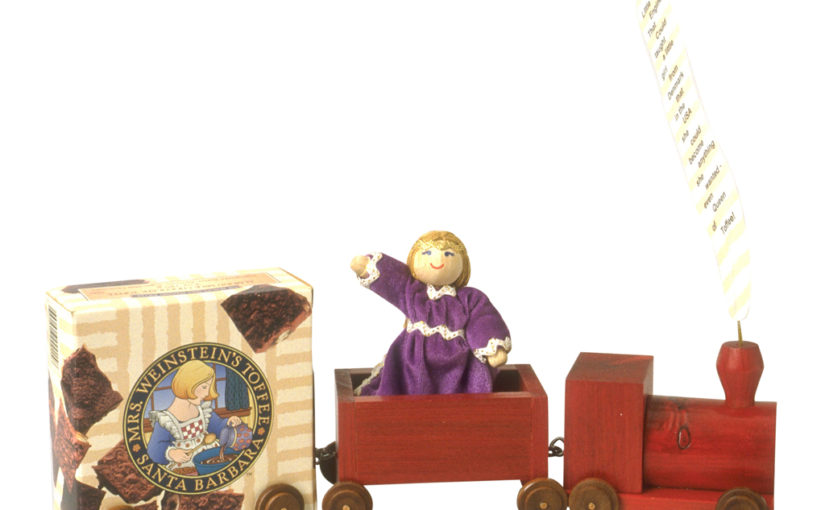
The Little Engine That Could
When I received the box I thought, “Why me? I’m not an artist”, but the box itself intrigued me. I loved its fragrance, its smooth lines and the fact that it could hold my secrets or be open with the story I wanted to tell. Almost immediately, the box became a train for me.
Growing up in Denmark I was very familiar with fairy tales, and I thought the train would become part of my own fairy tale. But as I worked on the train, it took on the intensity of the American children’s book, The Little Engine That Could.
I came to the United States when I was twenty-one years old with the dream in my heart that I could start my life over again. And I could. And I did. I am a wife to a wonderful husband, I have two beautiful grown children who love me. After years as a psychotherapist and consultant, I decided to become a toffee maker. It gives me great joy to create something sweet that brings joy to so many people.
After the train was finished I was on board as The Queen of Toffee, waving to the crowd. I was right back in my Danish fairy tale where I had started out, and I think I’ll stay there.
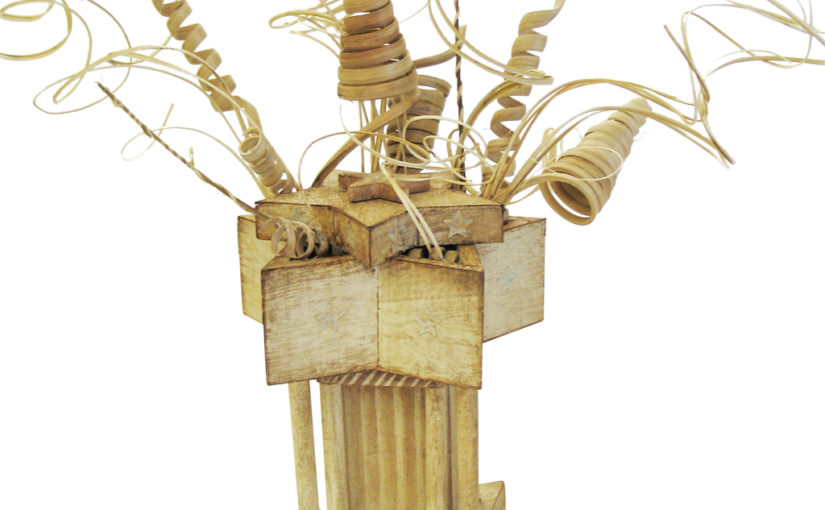
Emily’s Ideas
Tajima Box Project. An artist and an extraordinary woman collaborate to create a box.
Emily Harrison, ASSISTANT CITY MANAGER, CITY OF PALO ALTO and Renee Winick, ARTIST.
A government building is the architecture that delineates space and frames conversations.
In the confines of that structure, Emily Harrison devotes her time and boundless energy to developing new ideas and innovations.
For her, this process becomes an explosion of joy and excitement as if sparks were shooting out in an array of twists and turns, spiraling outward, and beyond.
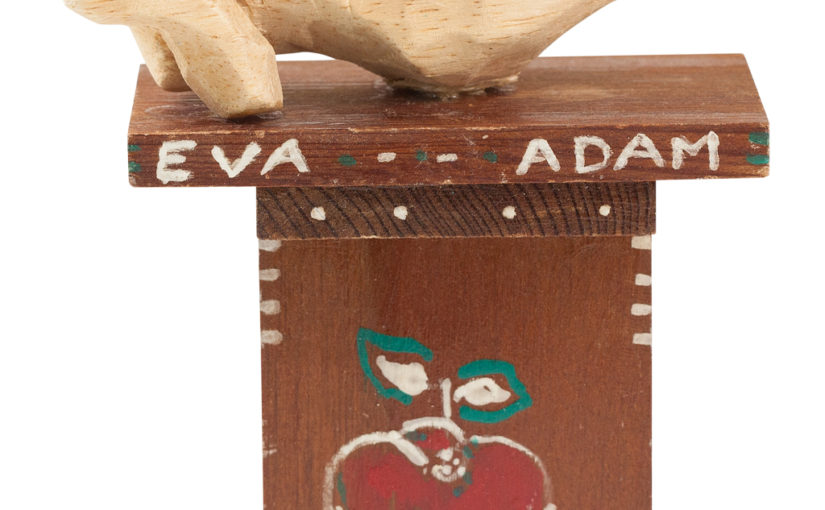
Eva Travels
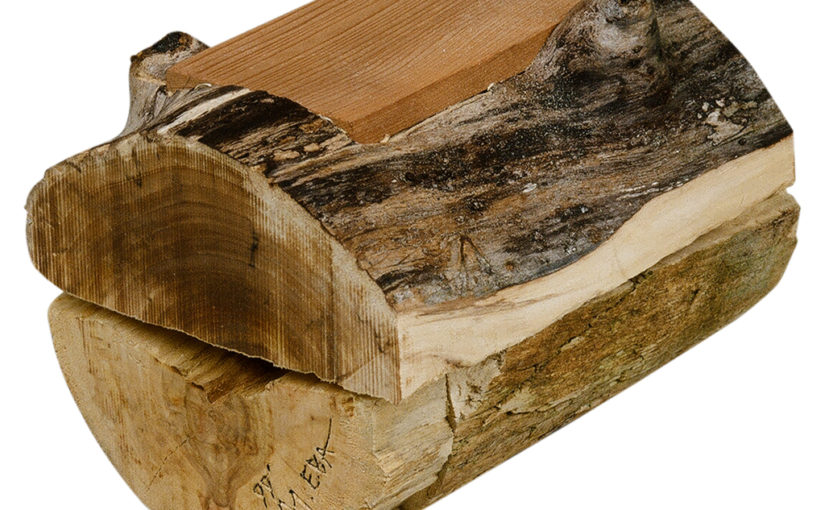
Untitled
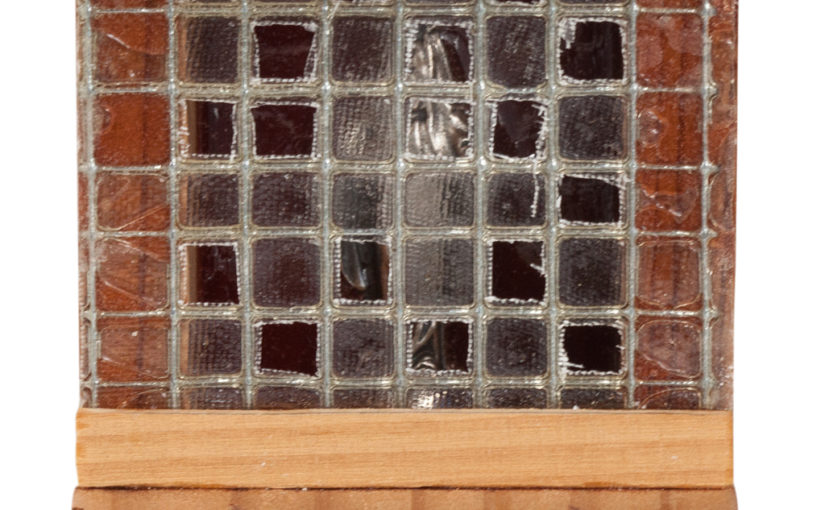
A Prayer for Lan
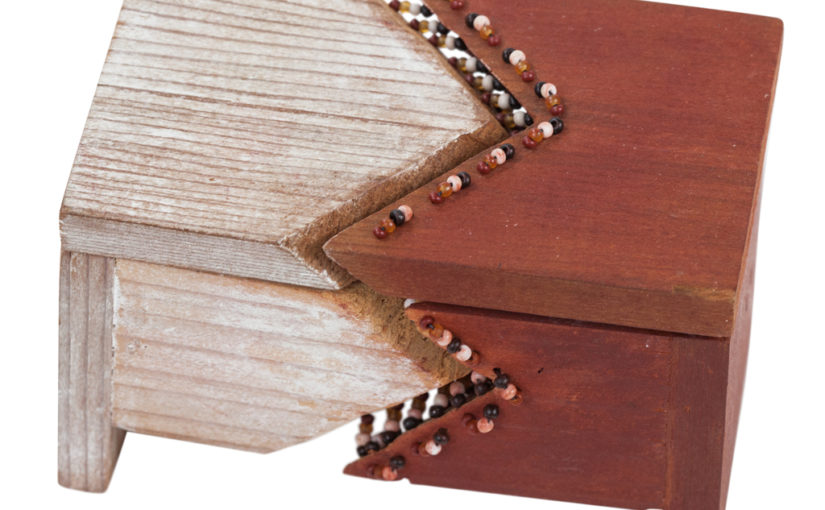
Half Breed
Life After
Old Country New World
Separation
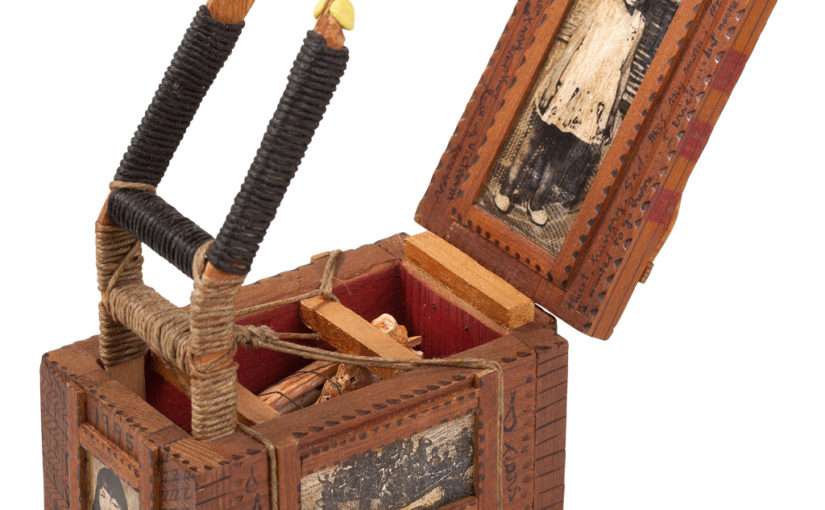
April 1975, Vietnam: Everyone knows the communists will over run Saigon, but no one expected it to happen so fast. Over the last month the sound of gunfire and explosions have slowly increased in frequency and force. We are so used to it that it has become a sort of background noise no one pays any attention to. Despite this I remember waking on April 30th, alarmed at how close the sound of gun-fire and explosions was to our neighborhood. The city was in chaos, dark smoke blanketed the horizon as people ran with whatever belonging they could carry. But as I watched it seemed that very few had any idea of where to go.
My family and I hurriedly packed some clothes and fled to a friends house in another part of the city called Cho-Lon which was safer. We could no longer stay in our home because it was near an army camp and therefore dangerous. My father was not with us because he and my mother had separated years earlier. Adding to our anxiety was a rumor that the communists have threatened to flatten Saigon if there is resistance. By noon the presidential palace had fallen and we knew it was all over. I was only 7 years old at the time and did not realize how bad the situation was, so I innocently told my mom that now Vietnam will be one country again so she can go back to North Vietnam to see grandmother. My mom was delighted with the thought.
Later that afternoon we drove to the harbor to see what was going on since the radio station had been captured by the communist and we no longer were getting any news. As we drove around the streets were now completely deserted and an strange silence had fallen on the city. The only people we saw were a few people left still burning records and documents in front of some government and military installations. More ominous was the fact that in the harbor most of the navy and merchant ships had already left. I asked my mom what was going on but she seemed lost in her thoughts, maybe she was thinking of the harsh choice she would soon have to make.
My uncle and his wife had been staying one step ahead of the communists since they fled the central highlands. Because of the speed of the communist advance, the roads were jammed with refugees fleeing south making progress impossible for vehicles. Even though they did not want to be separated, my uncle was forced to put his wife on one of the boats heading to Saigon because she was pregnant and would never be able to keep up on foot. When he finally made it to Saigon a few weeks later, he found out that his wife has not arrived and not knowing where she was or what else to do, decided to stay with us in hope that she would find him. Later we learned that the boat she was on had unexpectedly dropped everyone, including his wife, off at Cam Ranh Bay (another city in the central highlands) to go back north for more refugees. My poor aunt was unable to find a way to get to Saigon until after the fighting was over and escape was impossible.
Meanwhile for the rest of us, time was running out. We knew that if we were going to leave it had to be now. We waved down one of the few remaining navy boats which was headed out to sea but stopped to pick us up. At this time not everyone was willing to escape by boat so while it was crowded, there was none of the panic and fighting such as I saw in the photos taken at the American Embassy that day as the last helicopters were leaving. The gun-fire was getting closer and my uncle was torn between staying to look for his wife and escaping, he was worried that he and his wife would face retribution if he stayed because he had been in the army. My mother was hesitant to get on board because she had to choose between leaving with us or staying so that she could see her mother for the first time since 1954 when north and south Vietnam were separated. Finally she decided to stay and promised to find us after the war ended. As the boat pulled away I can still remember my mother standing on the dock, crying and waving to us. I was yelling : “Stop the boat, go back and get my mom”, but it was too late. In those few minutes my family was torn apart and for last time I saw Vietnam. As my mother watched the boat leaving with her children she was overcome with grief and changed her mind. Desperately she stood at the dock for five hours waiting for another boat to take her out to our ship, but none came.
On the way out of Saigon, we saw hundreds of returning boats and some of them warned us not to go on because troops were shooting at any boats trying to escape to the open sea. The people on our boat were very determined and decided to take their chances and leave.
Many of the boats we saw leaving were severely overloaded and one of the ships had run aground in shallow water. Our smaller boat pulled alongside the old, rust streaked ship and an agreement was reached that everyone who wanted to could transfer from our boat to the ship, and in return our boat would help pull the ship into deeper water. After struggling for three or four hours both vessels finally reached deep water and all passengers were transferred. The small boat turned back toward Saigon, taking a few people who had changed their minds and decided to go back. The ship, even more overcrowded than before slowly headed out to the open ocean for the long dangerous voyage ahead. Even though we had made it out of Saigon there was no celebrating, everyone was dwelling on what they had left behind and what the uncertain future would hold. That night was pitch black, there were no lights on our ship or on shore. We watched fireworks shooting up from the coastal villages into the dark sky. The communists were celebrating their victory and we could hear one of the generals broadcasting a new set of rules which he called ” the ten commandments “. These commandments were to govern life for those left behind in the new Vietnam. Our intended destination was Singapore and we slowly headed south. The weather was good and if it were not for the grim circumstances I might have been able to appreciate the beauty of the blue ocean and the small islands we passed. Once we saw some whales which terrified everyone because they were nearly as large as our ship and came very close. When I look back on the event, I think that everyone leaning over one side to watch the whales was more dangerous to the ship than the whales themselves.
Things started to go seriously wrong a couple of days into the journey when our engine broke down. I guess this was not very surprising considering how old and decrepit our ship was to start with. There were many more small boats from coastal villages followed us and dumping refugees onto our ship each day. The water started to coming in from an existing hole on the side of the hull of our ship which is now below the waterline because of the refugees’ weight. After drifting a few days, our food and water were running out, making an already bad situation very desperate. People started to fight over food and water. Everyone was being very careful to ration their water and food except for this popular singer from Saigon who would use a great deal of her small supply of water to wash her face each day. Obviously some people are more afraid of being unattractive than dying.
Everyone thought that we were going to die slowly and horribly, despair settled over the ship like a numbing fog. A man near me decided not to wait and shot himself in the head. I remember screaming when his blood and brain tissue splattering on me. On the crowded deck there was no where to store the body so there was no choice but to toss his body overboard and within minutes the sharks were fighting over it. As days passed, so great was my fear and loss that I felt neither hunger or thirst. My mind had cut off my ability to feel or comprehend what was happening around me, which was maybe a good thing considering what life was like onboard. Even though the ship was extremely overcrowded there was very little talking, everyone seemed wrapped up in their own misery. My brother and sister sat nearby crying and hugging each other. The crowding was so great that one night when I stood up to stretch, I found that I could no longer find a space to sit back down so I ended up standing the entire night until I collapsed. Having learned my lesson I did not get up again until we were rescued.
Despite our SOS signals and desperate attempts to get their attention, many ships passed us by without stopping but finally after floating what seemed like forever we were picked up by a Danish freighter out of Thailand on their way to Hong Kong. After being left by so many other ships, everyone was afraid that if we did not get onboard the freighter fast enough they would leave without us. Most of the people started to panic and there was a lot of pushing and shoving to get on board. Some fights even broke out and many passengers left their personal belongings behind in the mad rush. One man’s leg got crushed between the two ships when they collided into each other. Many others fell into the water and drowned during the rescued. By the time we were rescued, I could not move my legs because of sitting in one spot for so long; I had to be carried up to the freighter by one of the ship’s crew. That night as I was resting from my ordeal someone stole all the cash and jewelry that my mother had given me.
So when it was over all I had left of Vietnam were memories of people and places that had been left behind. For many years afterward, I would get angry when I thought about what had happened and what I lost. I was not angry at anyone in particular, rather I was angry how events and ideologies which I did not understand could take me from everything I knew and loved. After my mother and other members of my family have moved here recently, I finally have the chance once again to know the family I lost twenty years ago.
Woman in Bloom
Tajima Box Project. An artist and an extraordinary woman collaborate to create a box.
Deanna Oppenheimer, CHIEF EXECUTIVE OF RETAIL BANKING, BARCLAYS BANK
Wife
Mother
Mentor
Water-skier
Senior Appointed Chief Operating Officer Barclays Bank, United Kingdom
Chair of the Board of Trustees, University of Puget Sound
“Of all my accomplishments, what I am most proud of is my children, that they are growing up to be fine individuals.”
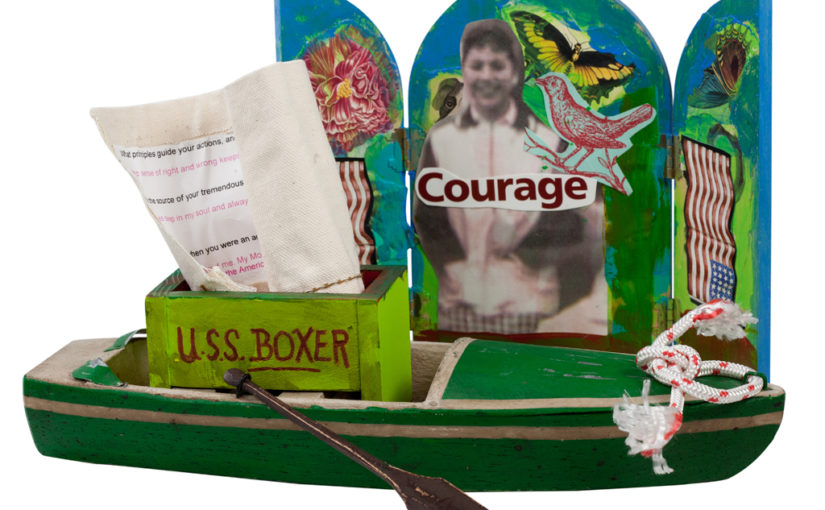
Keeping On Course
Tajima Box Project. An artist and an extraordinary woman collaborate to create a box.
Barbara Boxer, U.S. SENATOR FROM THE STATE OF CALIFORNIA and Barbara Leventhal-Stern
The first words I associate with Senator Barbara Boxer are passion and courage. In my mind, I saw an image of a boat that “keeps on course”.
Because the exhibition serves to inspire young women who could be faced with adversity or hard decisions, I inserted excerpts from our email dialogue so they could read about the sources of her commitment themselves.
Thanks to Senator Boxer, and Michael and Adrienne, her talented staff.
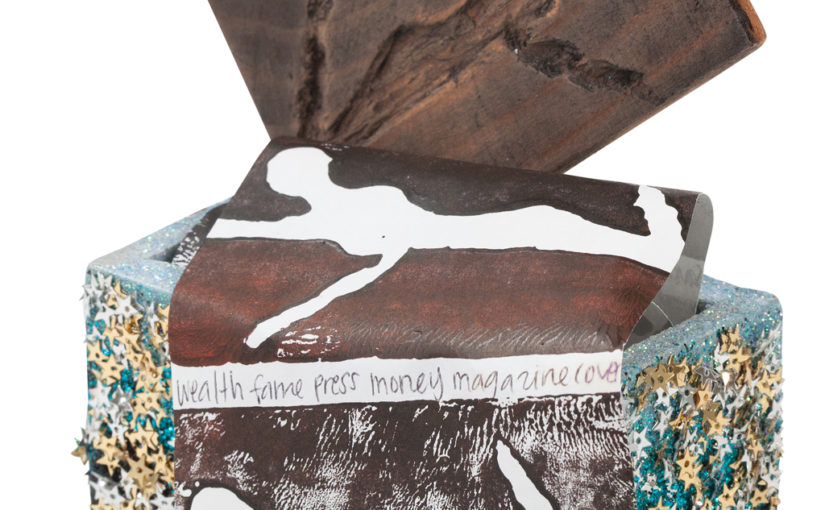
Fabricated Fame
Today’s celebrities seem to all be coming out of some celebrity machine. Behind the glitz and glam, the expensive cars and fancy clothes, are producers and stylists that give celebrities their identities. They all strive for the ideal image but in the process they become copies of each other. I made my box into a gaudy, sparkly representation of fame. I’ve carved in idealistic image of a figure into the lid of the box and created prints from it. The prints show how celebrities are simply produced copies that are made to be this ideal.
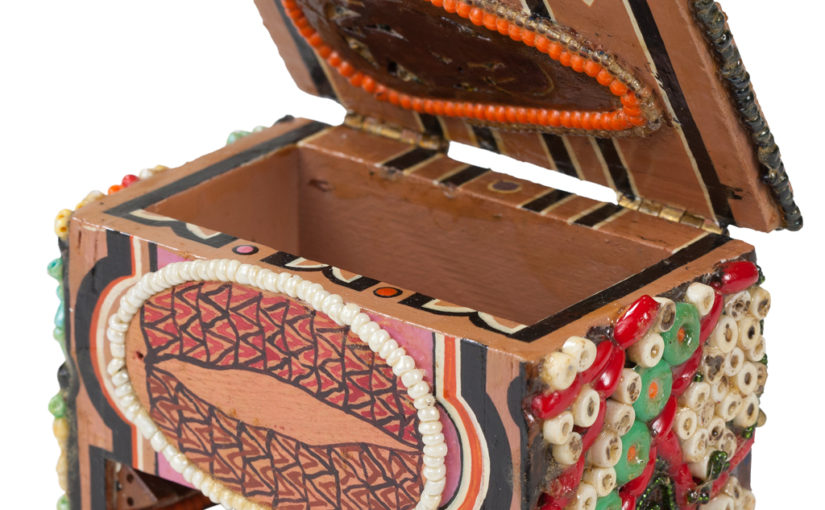
Untitled
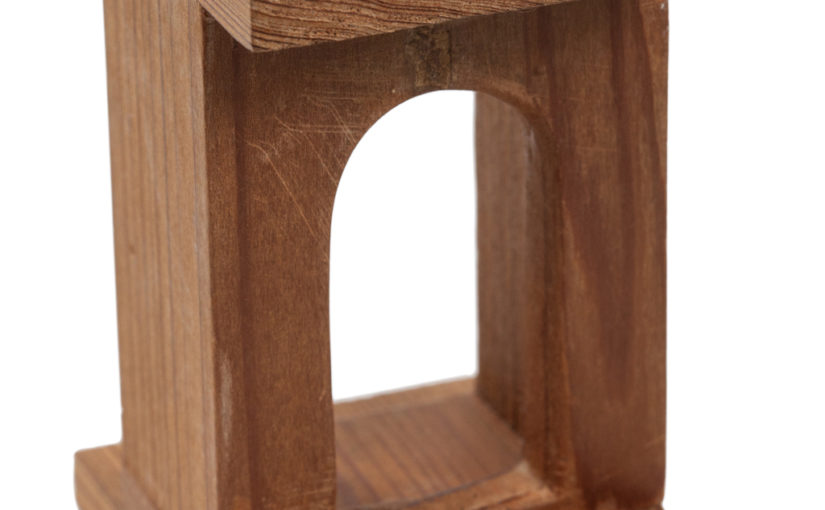
Transit Gate
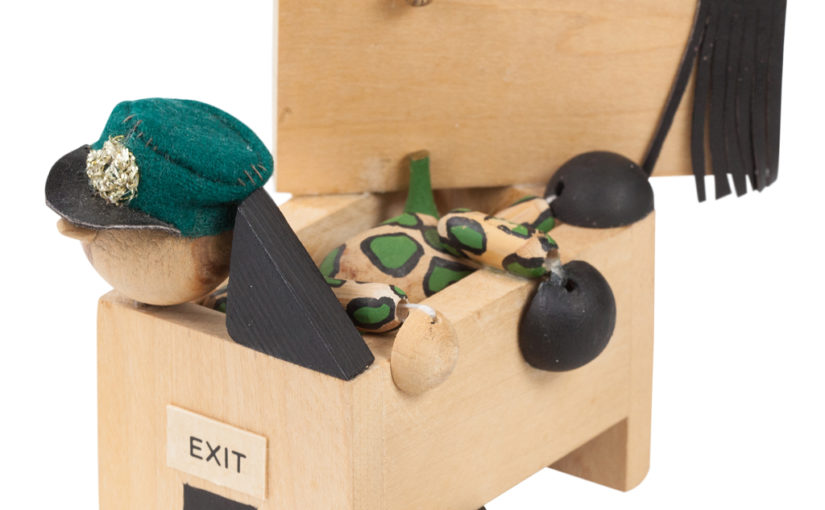
Without Borders
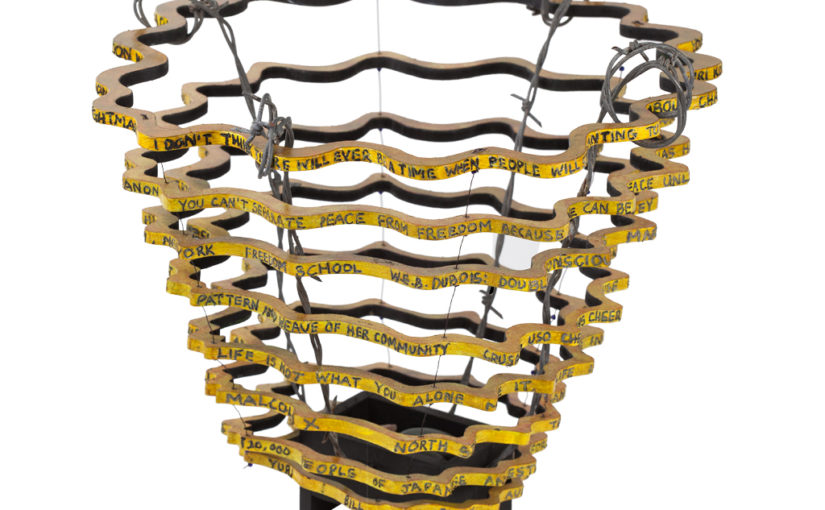
Reverberation: Yuri Kochiyama
Tajima Box Project. An artist and an extraordinary woman collaborate to create a box.
Yuri Kochiyama, LEGENDARY CIVIL RIGHTS ACTIVIST; CLOSE FRIEND AND ASSOCIATE OF MALCOM X and June Sekiguchi, ARTIST.
I want to represent the effect pivotal events had on Yuri Kochiyama and how her life and work had a ripple effect in turn. Something breaks the surface of awareness and affects a resounding change. The box is the foundation supporting barbed wire which acts not only as the internal framework of concentric ripples reverberating beyond the source, but references important aspects of Yuri’s life: internment and political prisoners.
The box holds a gathering of pebbles that signify the catalyst of change. The ripples are inscribed with quotes, influences, and documentation of her life. I’ve chosen to use text heavily in this piece because the written word has held a place of importance in Yuri’s connection to the world. Light and shadow reflect the intangible far reaching affect she has had.
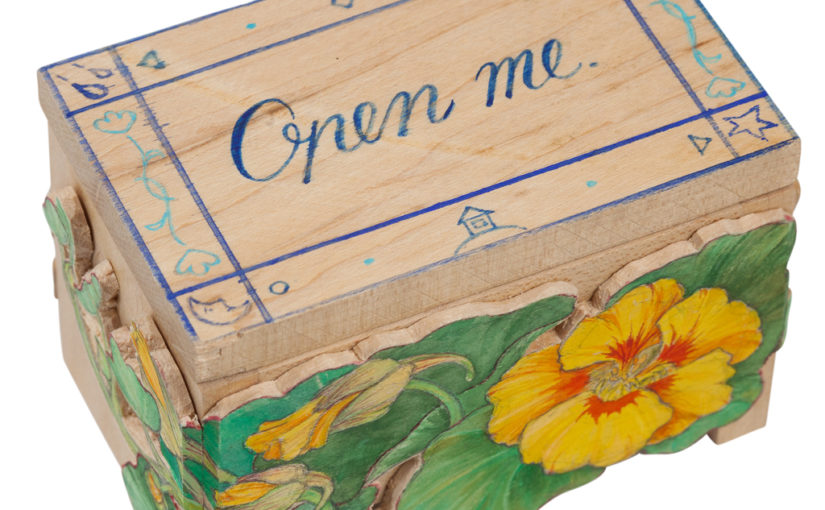
Gift
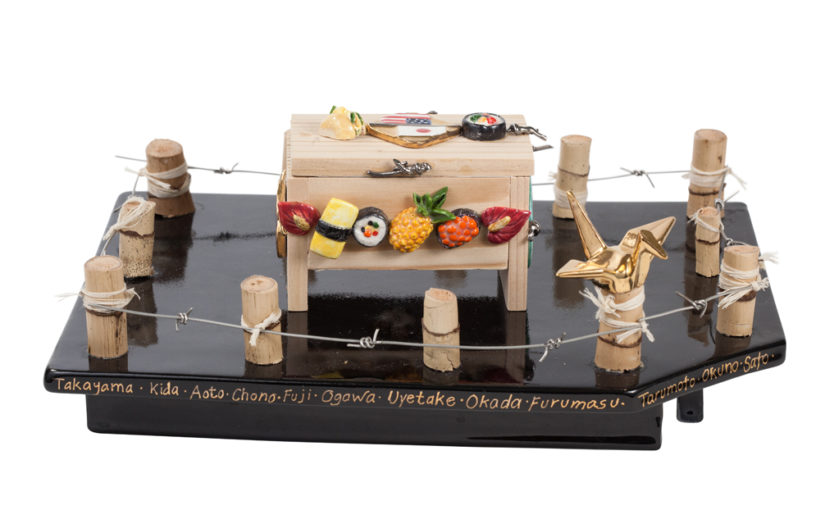
Radical Profiling
Tajima Box Project. An artist and an extraordinary woman collaborate to create a box.
Joan Takayama-Ogawa (artist) and Elaine Tajima (CEO, founder at Tajima Creative)
We live in times of war, where racial profiling threatens the freedom of Arab Americans. By transforming this wooden box into a shrine representing my family’s internment in Japanese American relocation camps, I hope that racial profiling will not happen again.
Symbols of the highest decorated American 442 Regimental Combat Unit, the luggage tags with family numbers for the Takayama and Ogawas, rotate around the box symbolically, tied with barbed wire. Along the perimeter of the black tray, a plant revered by Japanese Americans, connects with barbed wire symbolizing their incarceration. A gold crane perched on a post, represents the Hiroshima bomb.
Thirty-seven last names along the edge of the tray represent hundreds of my family members who were incarcerated during World War II, remembering freedom is fragile, and racial profiling is intolerable.
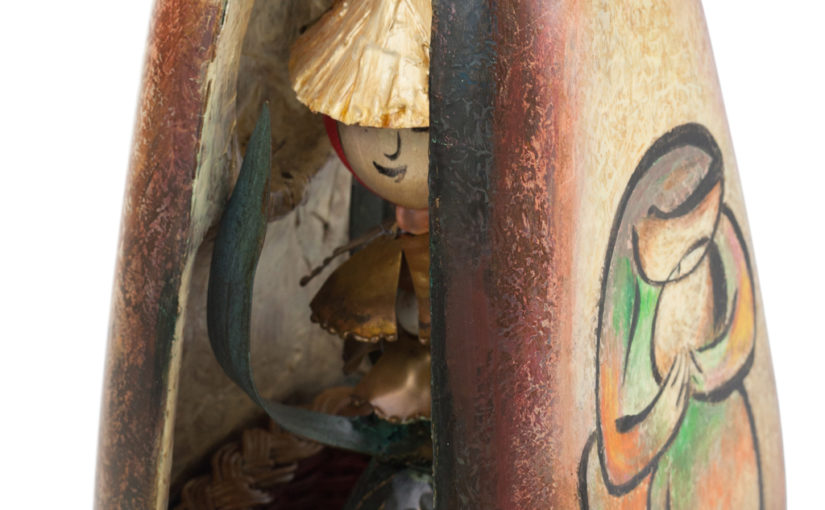
Vietnam’s Mother
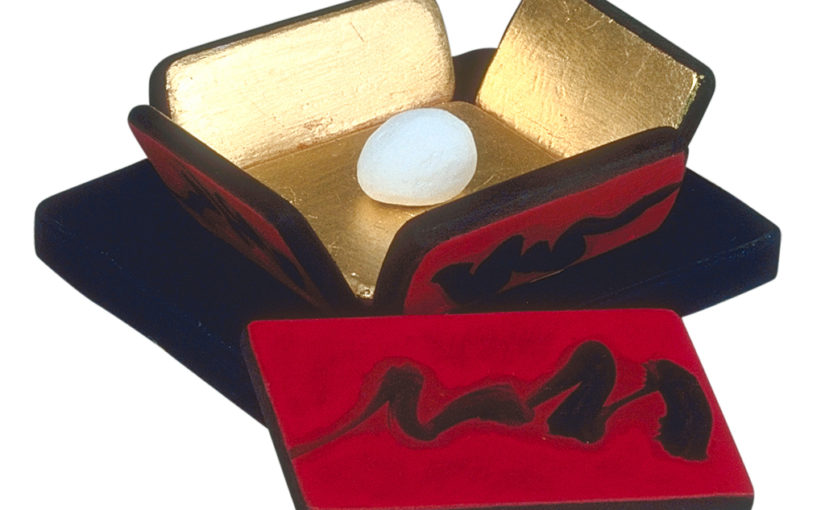
Dragon Box
Using the box as a metaphor for prescribed limitations in one’s life, this box is not a place of confinement. The edges have softened and fallen open, allowing the light to radiate from a life force of an egg. From the light comes new freedom and love. The inside of the box reflects the light so that the power is magnified, thus illuminating the path towards release.

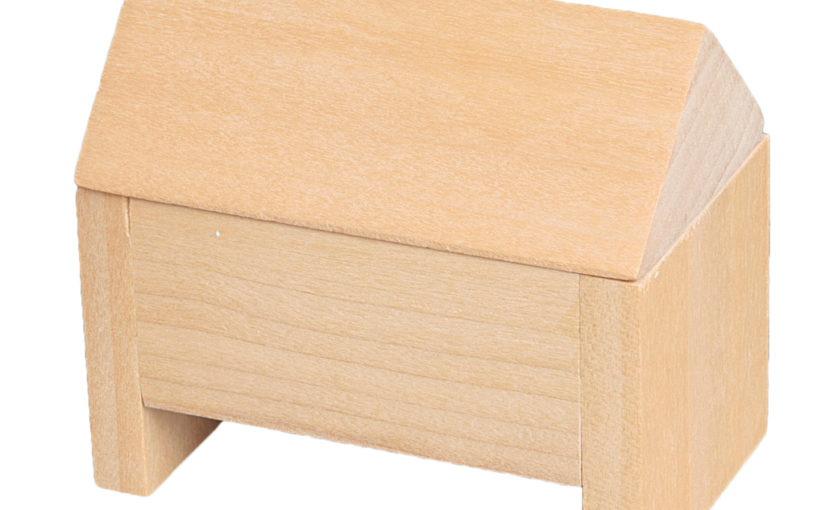
Hommmmm
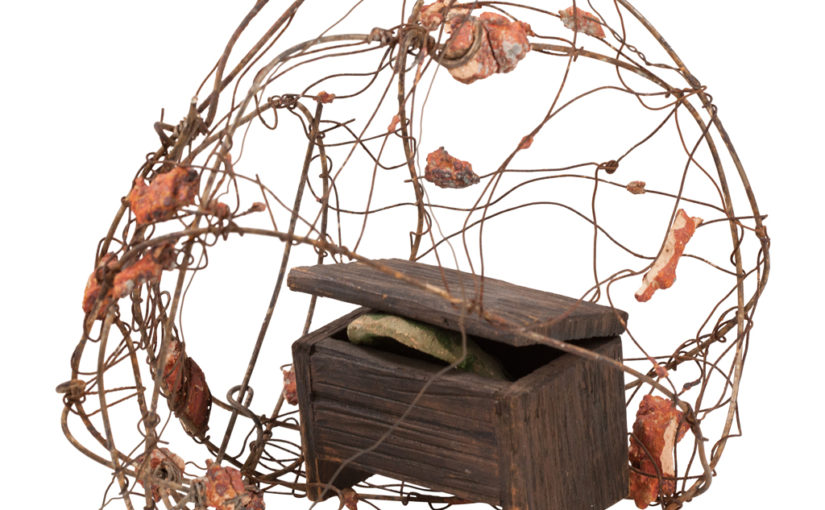
Missing Piece
To me, a basic unchanging form is the most beautiful, no matter what period of art you are examining. For any material or event there exists a basic framework. Within this basic frame, there exists a core which comes through the work of art above all else.
I use many materials, but I especially like to use materials with soul in them. I then strive to create a work in which the essence of the materials shows through. I would like to create artwork with a central form of happiness, pain, or sadness.
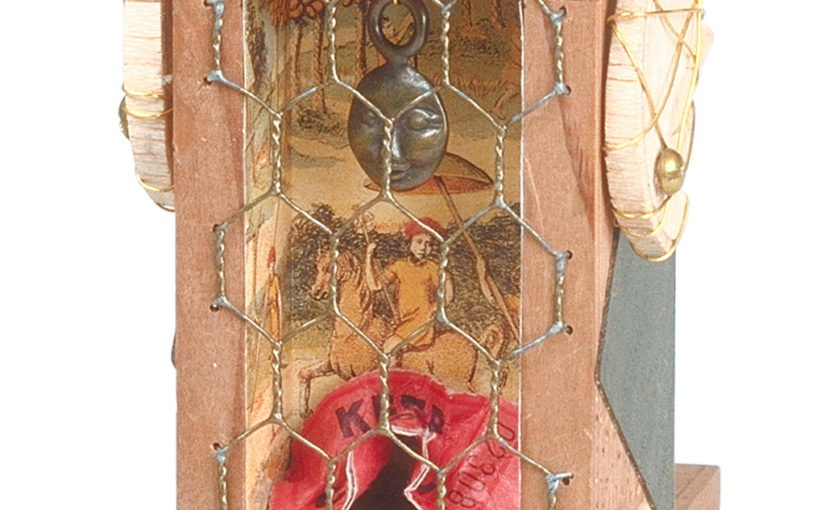
Keep This Coupon 023089
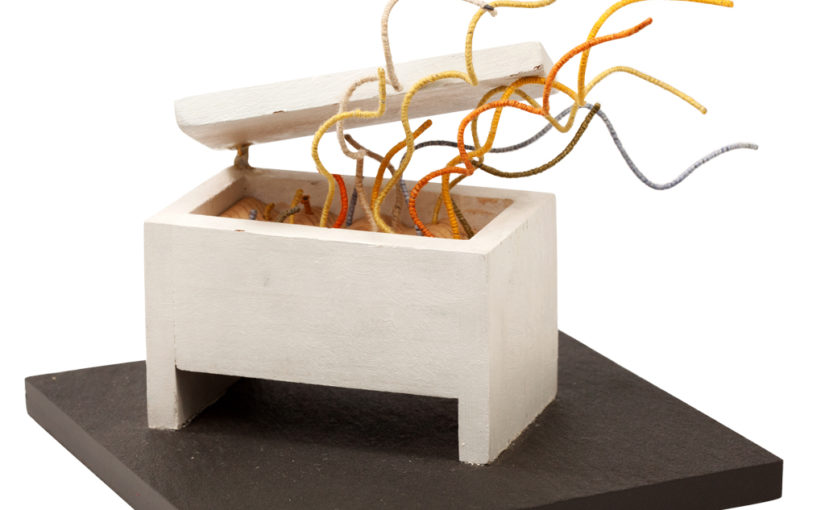
Untitled
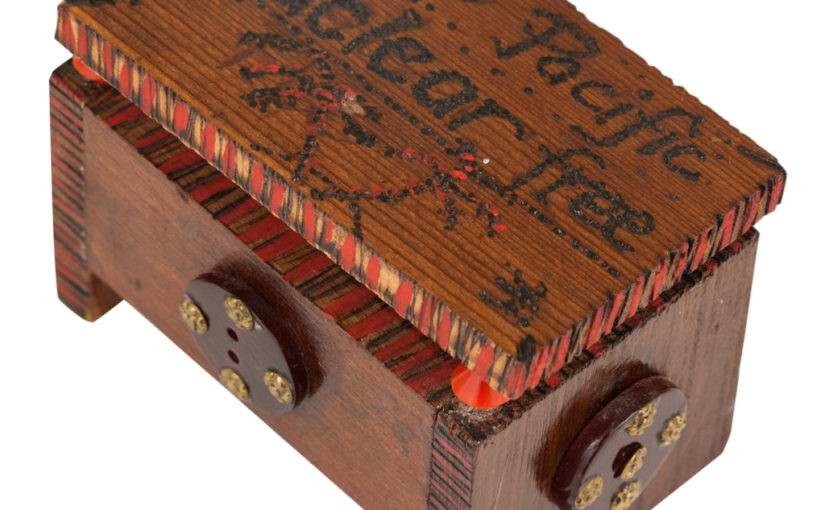
Keep Pacific Nuclear Free
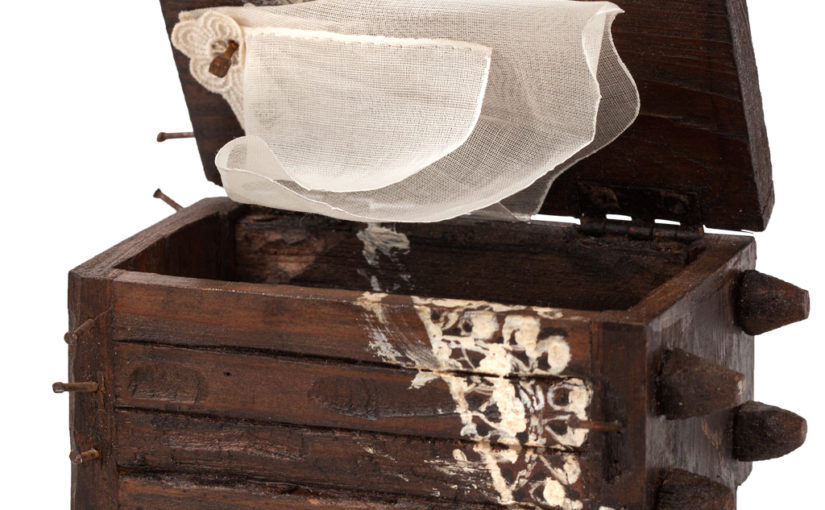
La Boda
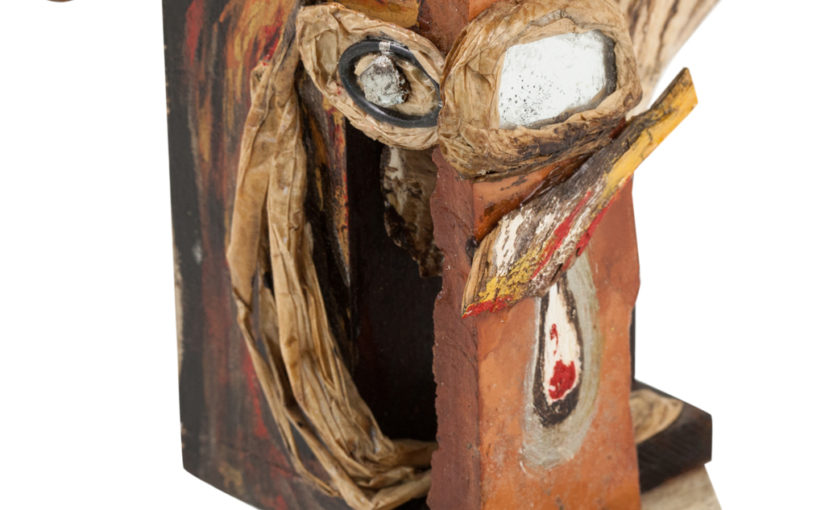
Ojos Para Ver el Mundo
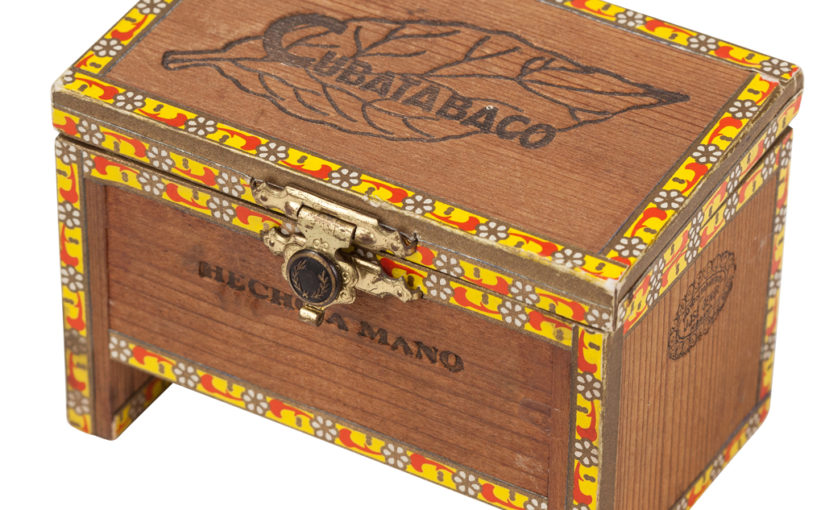
Cortinas de Humo
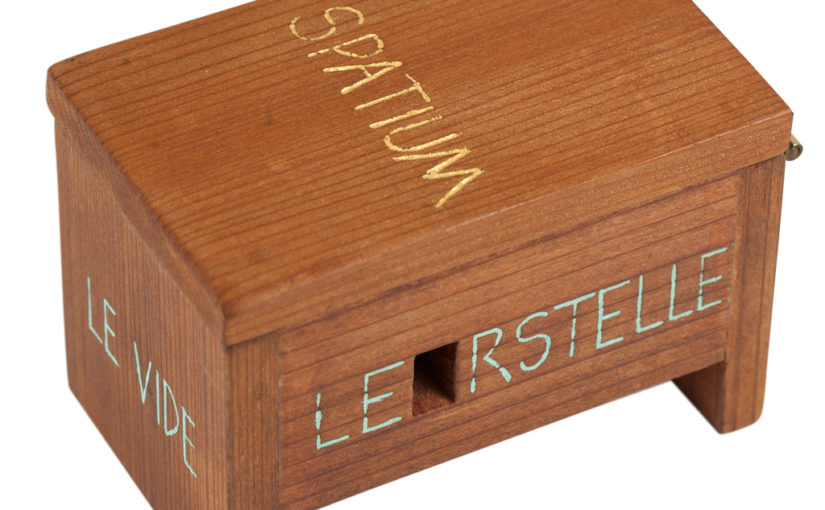
Spatium, Leerstelle – Empty Space
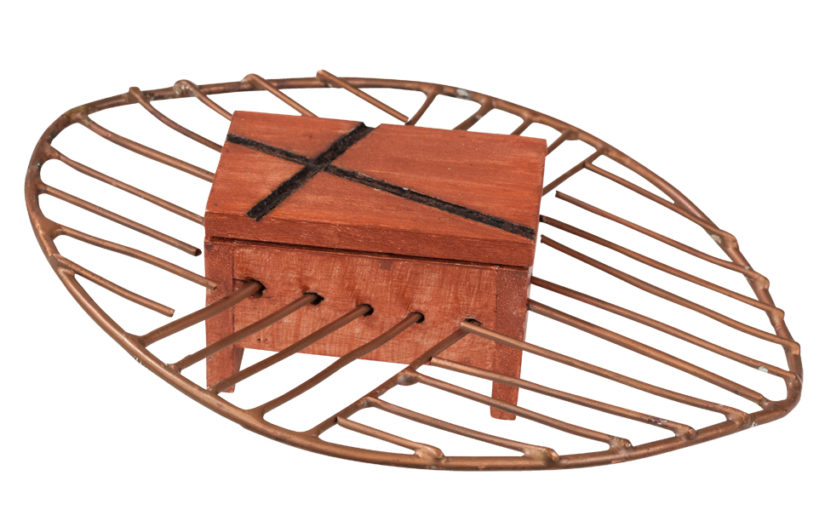
El Busca de la Cruz del Sur
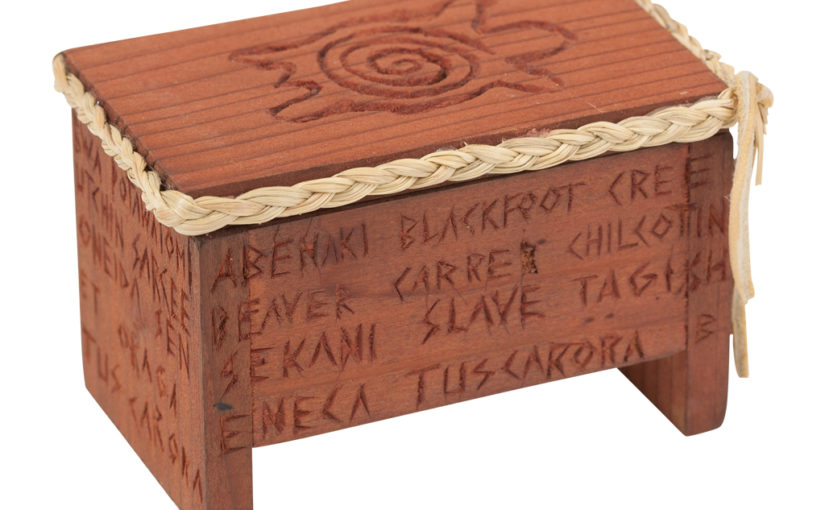
Untitled
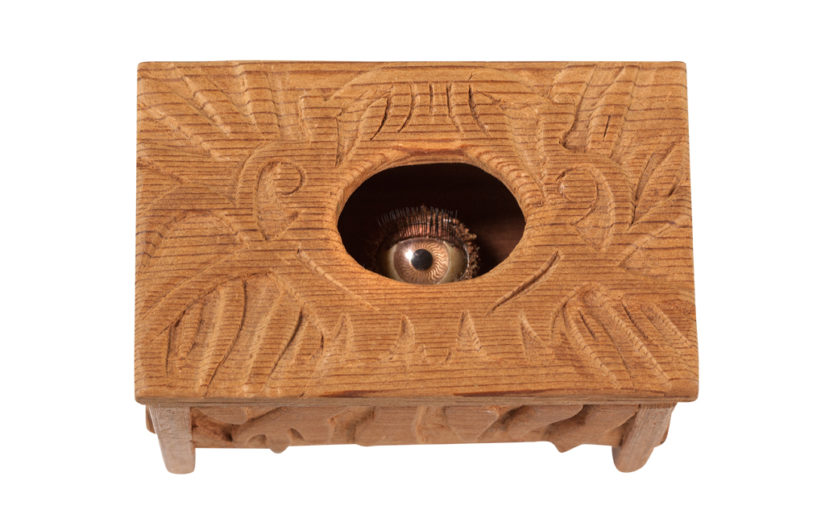
Untitled
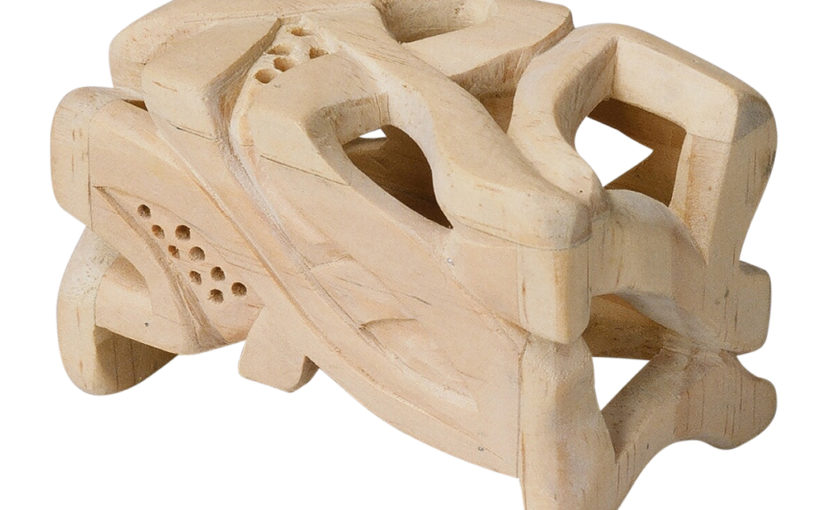
Borders
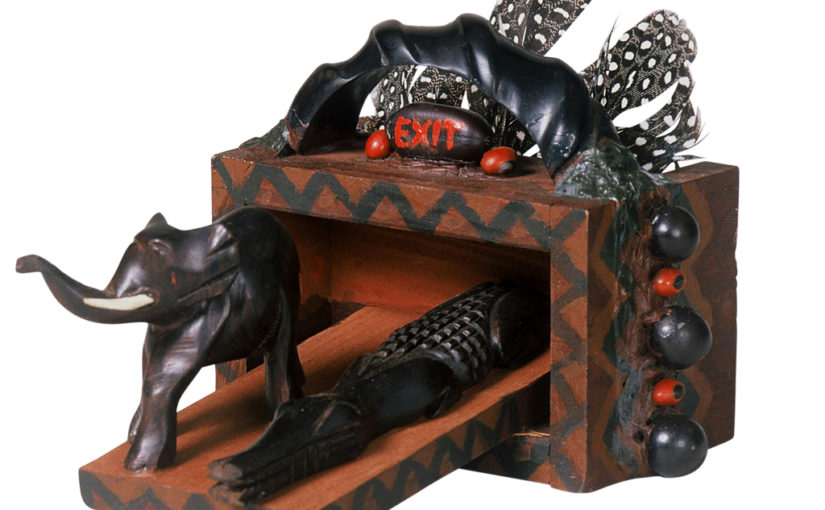
Let Go
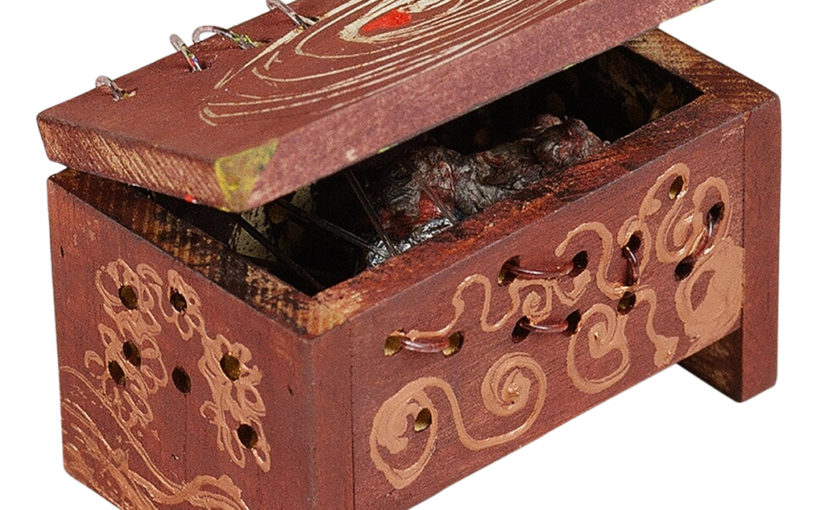
Eve in the Box
The outside is an elaborate facade but Inside is a woman who is tied up in the dark. She can struggle and come out of the box to free herself.
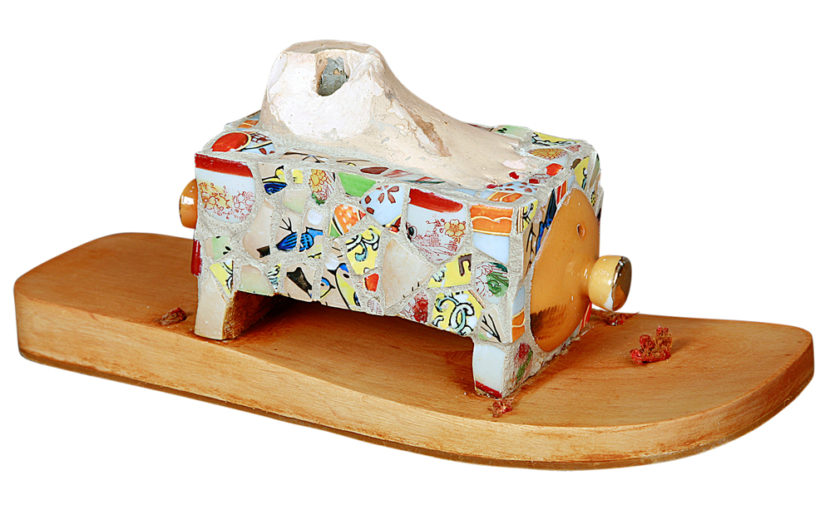
Bound – Unbound
“The child’s foot doesn’t know yet that it’s a foot,
And wants to be a butterfly or an apple.
But then stones and pieces of glass,
Streets, ladders
And the paths of the hard earth
Go on teaching the foot that it can’t fly,
That it can’t be a round fruit on a branch.
The child’s foot then was overcome, it fell
In the battle,
was a prisoner,
condemned to live in a shoe.”
From To the Foot from Its Child
By Pablo Neruda
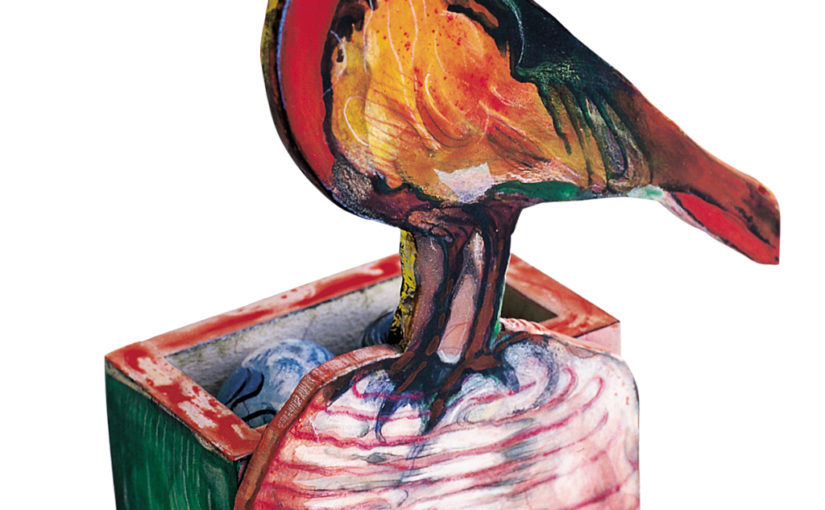
Songbird
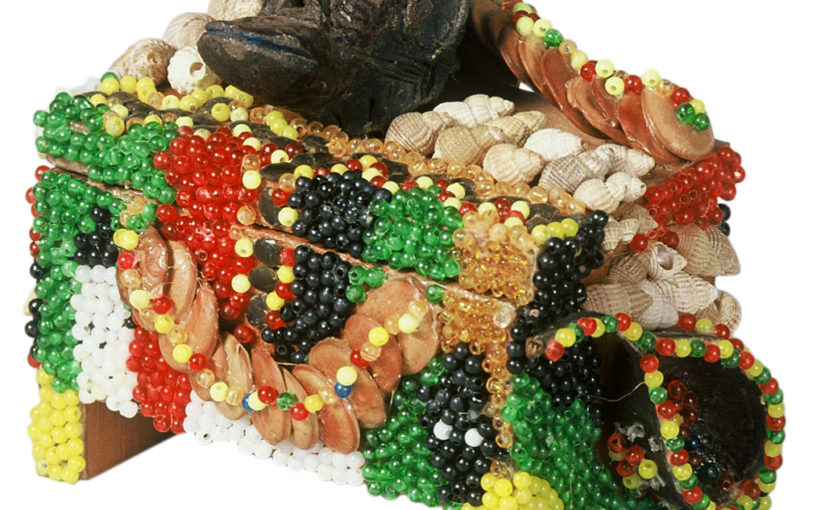
Beauty of My Waist
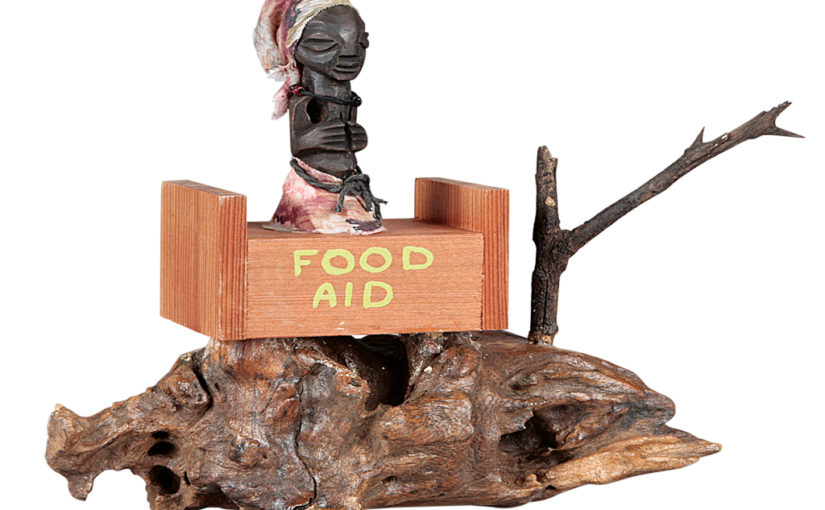
The Refugee
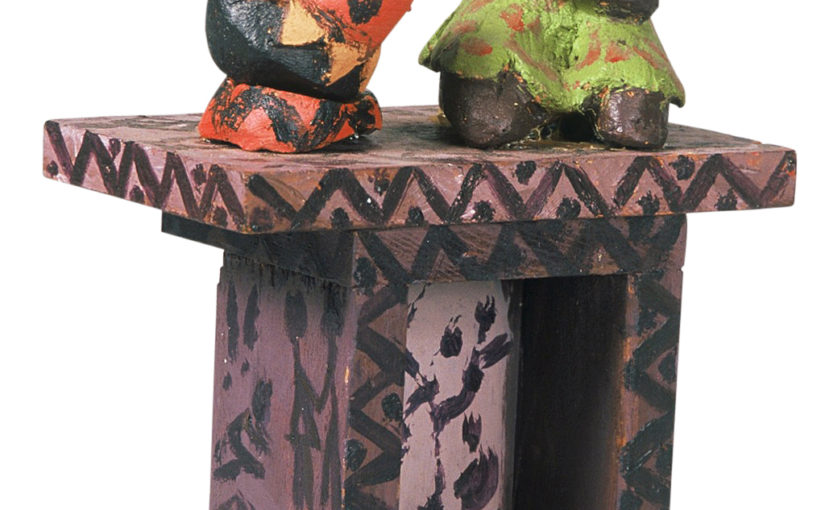
Mysteries of the Calabash
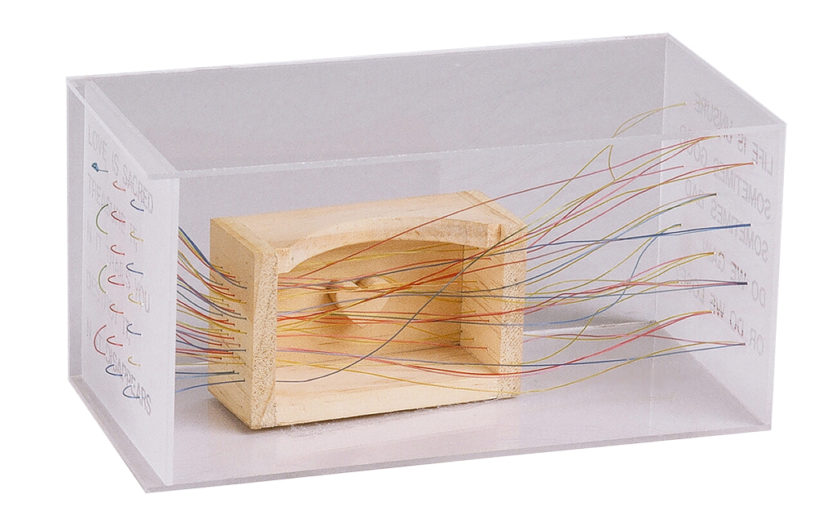
Life Beyond the Box
A heart that is closed within myself…
Fostered by the many changes of my life
What is Life Beyond the Box?
Nothing but a complicated colorful world.
The wooden box has been left to its original color to represent the simple me. The colorful nylon lines are communication lines between my community and me. The intensity of the lines on each side of the box symbolizes the importance of the communication level. Phrases have been inscribed onto the acrylic panels to reflect the views of Life.
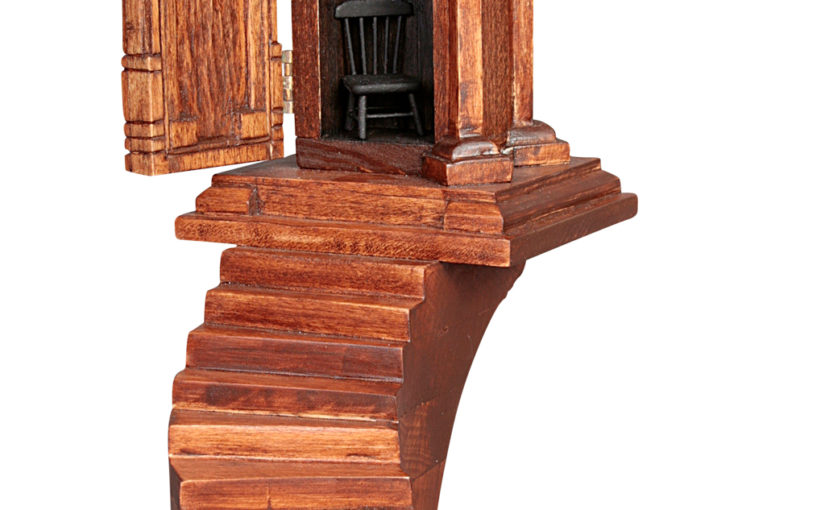
The Listening Place
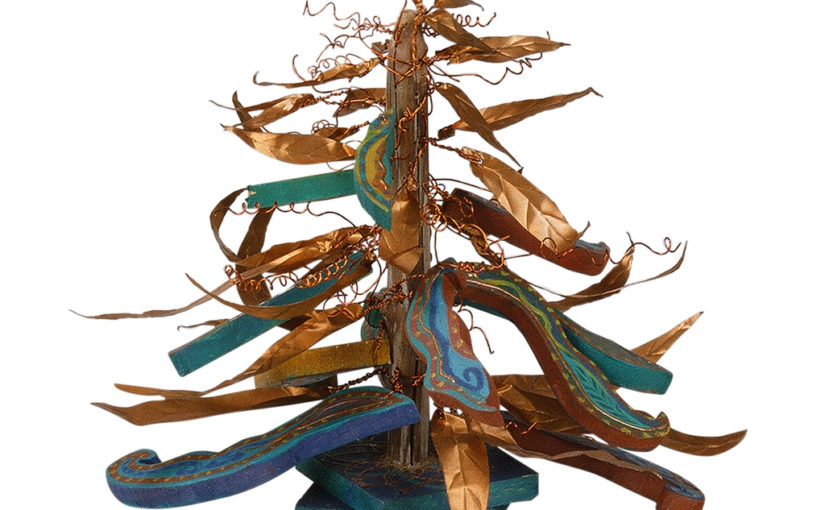
Women’s Unlimited Potential
This little box reminds me of a woman in the olden day, which a woman can only do things within this little space. What is a woman identity today? Woman is no more constrained within this space. Woman is full of wisdom and Unlimited Potential.
She can transform herself in various forms.
She can express herself just like the color in the palette.
She can express her creativity just like a tree…so full of energy.
She can transcend all her cells to enliven this society.
I’m that Woman with Unlimited Potential!
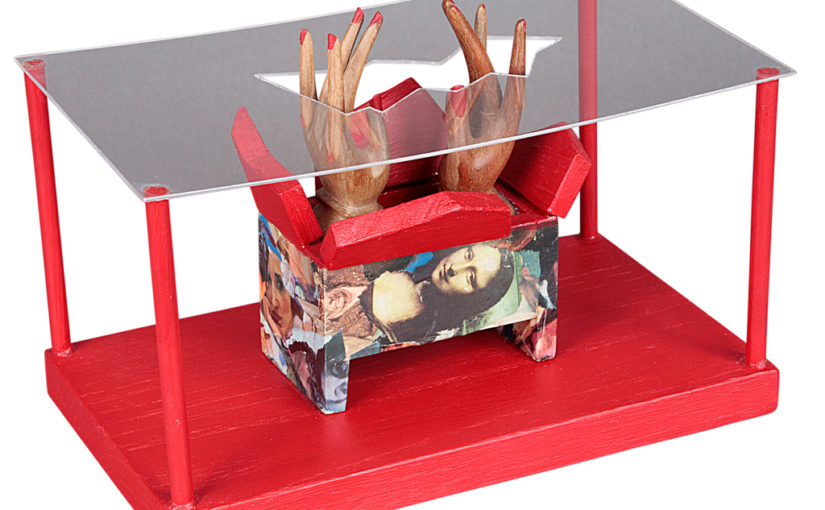
Breaking Out of the Box…
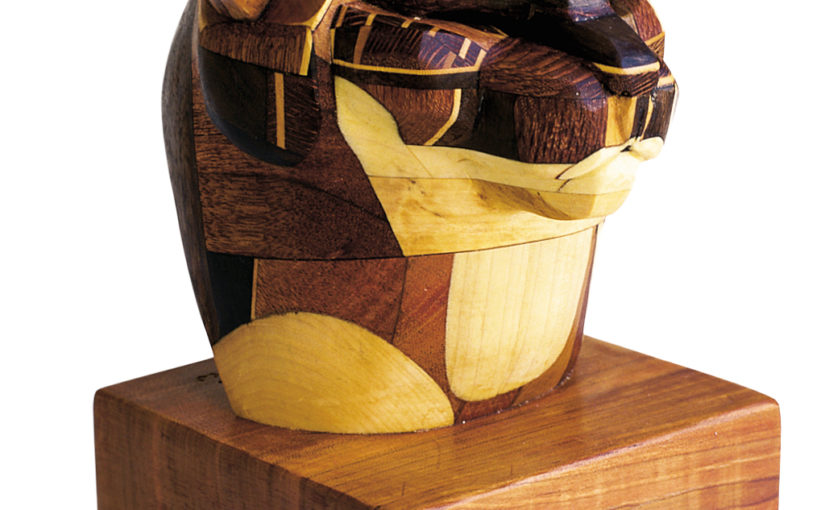
Third Eye
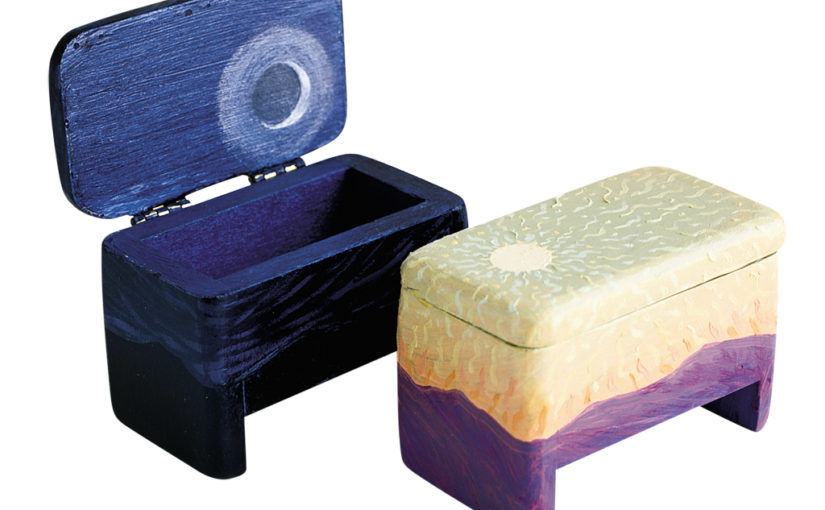
Moon and Sun
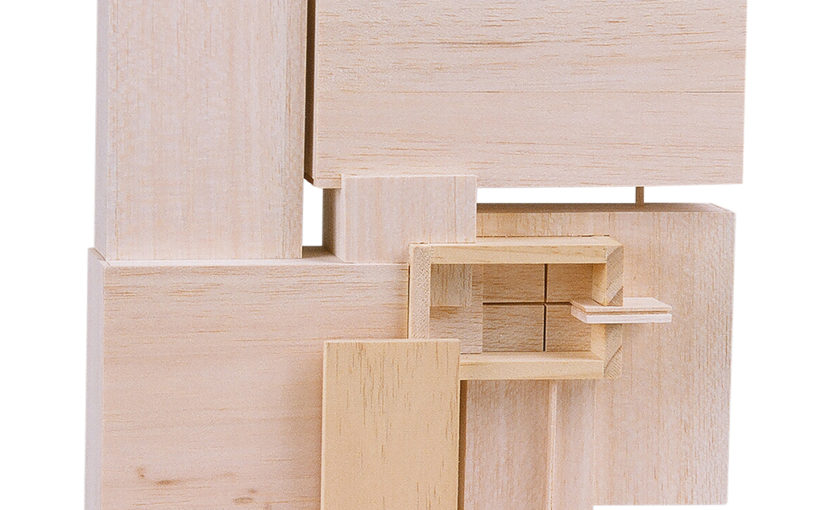
Emerging Spirit
From Within
she draws breadth.
The spirit
emerging…
extending.
beyond self.
Vigorously
animated,
Her essence
evolving.
Flourishing
in community
beyond borders.
She emerges.
The invisible,
invincible
Spirit.
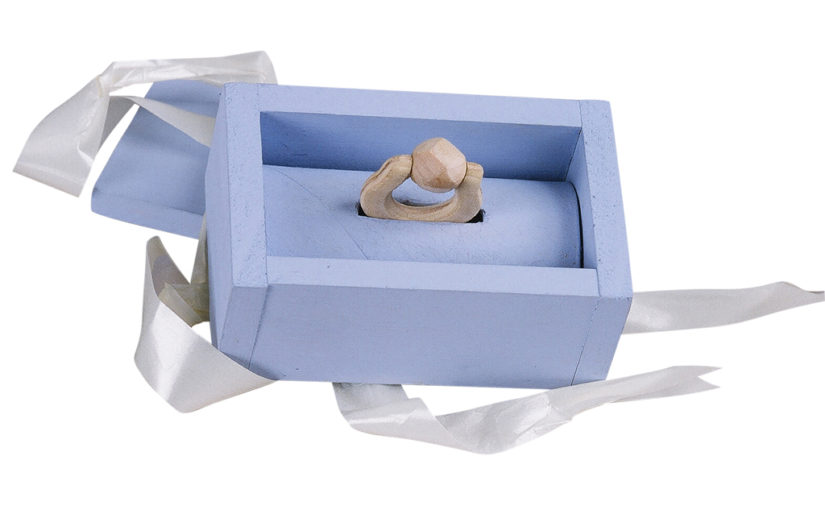
Wooden Engagement Ring
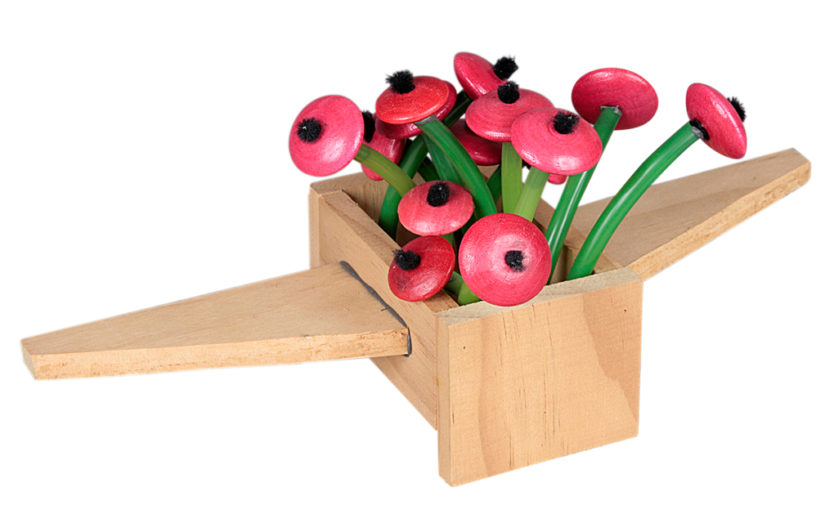
The Poppy Field
My nickname is “Poppy”. I go to school at Tanglin. I was born in Singapore. My friends come from different places. I have two brothers but no sisters. I go to England every summer holiday. Whenever I go to England to see my Granny and Opa, I see poppy fields. I love them and so I decided to make a sculpture of a poppy field. It reminds me of my holidays. I put airplane wings on my sculpture because we fly to England to see the poppies. I love living in Singapore but I miss seeing the poppy fields. Every year they sell fake poppies at Tanglin. It is on the day the great war finished. Opa was born when the war finished.
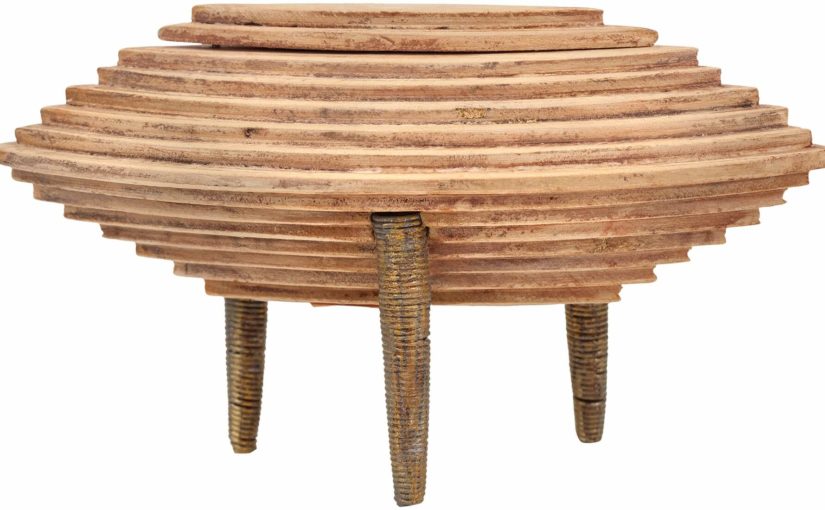
Model of Intimacy
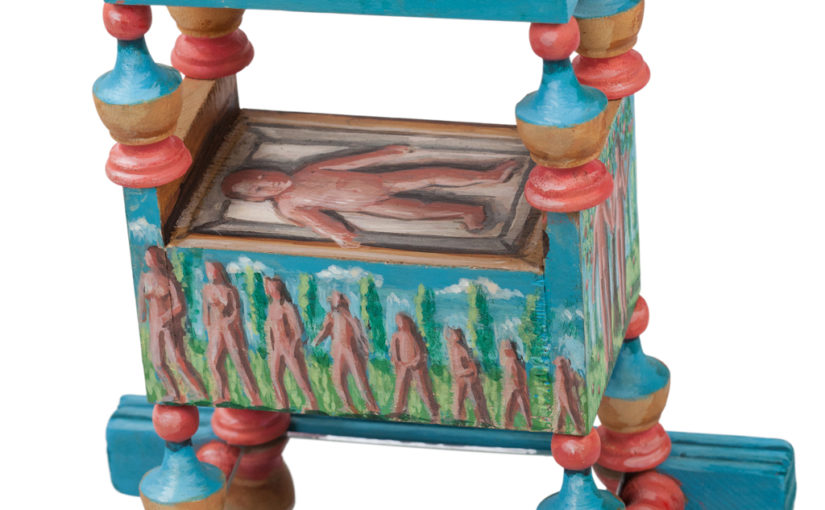
La Passion, La Naissance, et La Mort
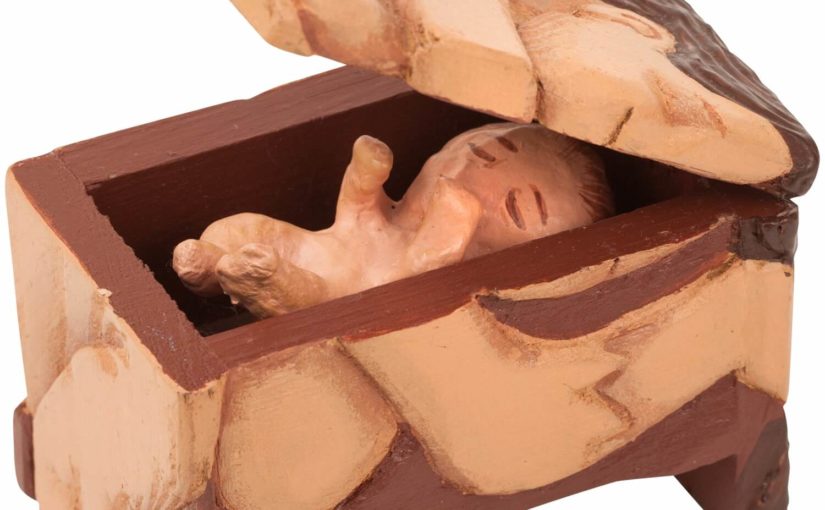
The Treasure
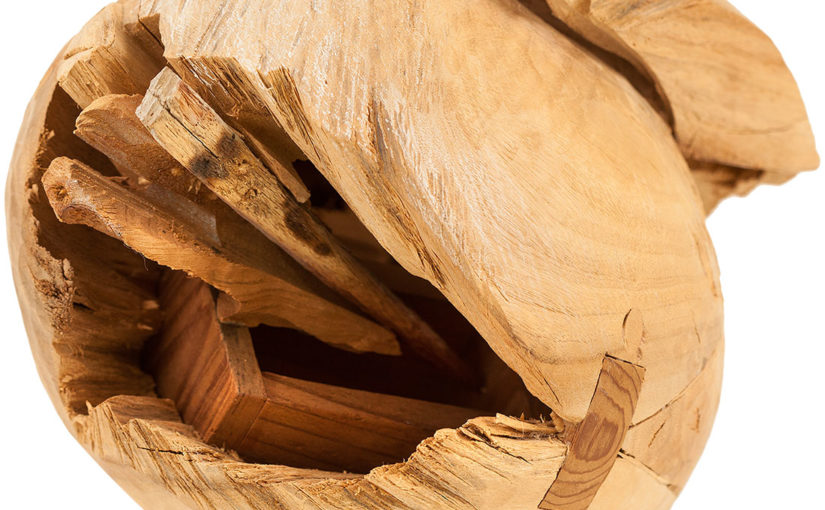
Hole
My recent works have been on the theme Hole. I do not intend to express the Hole as mere externals, but as invisibles, since this is the most essential.
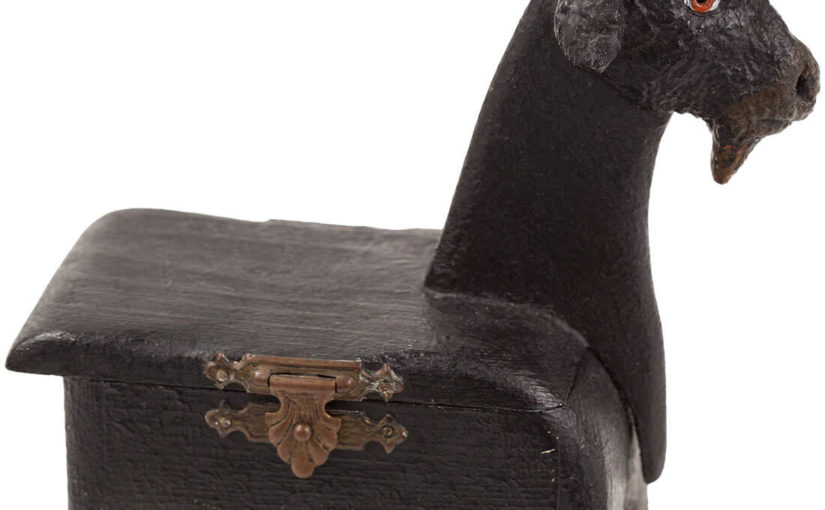
Mbori
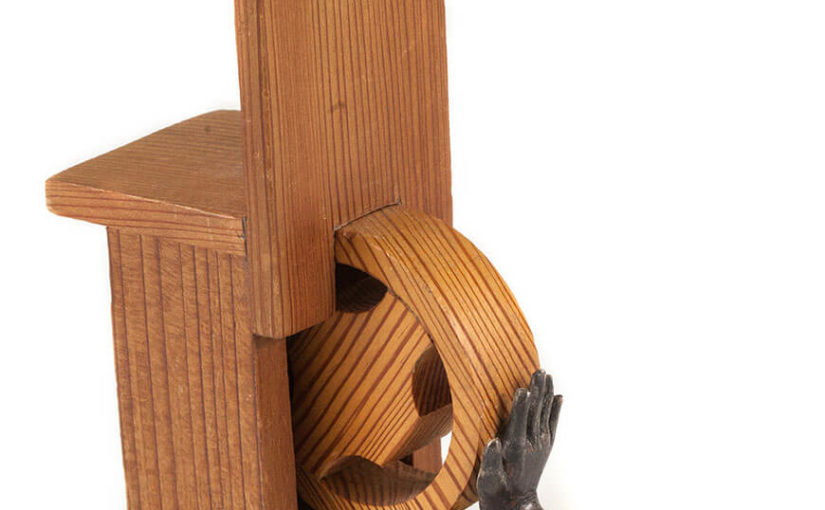
El Desafio
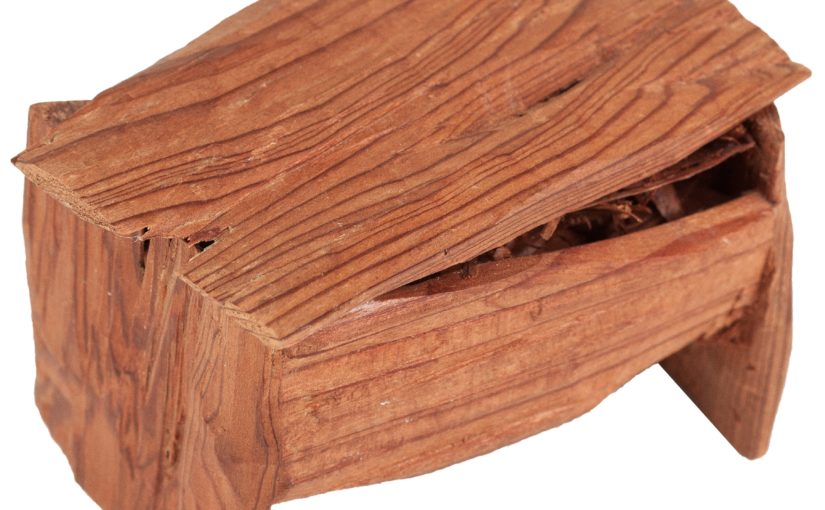
Whittle Box
My whittle box was created in a moment. I wanted to express through the box something which was inherent about my life as a woman now.
When I began the box, I was looking after a recent exhibition. With time on my hands and feeling at ease and relaxed, I began to craft the box carefully smoothing the edges and finely sanding the surfaces.
I put the box away, took my exhibition to another state and on my return found myself overwhelmed by things to do. Every one wanted a piece of me and I wanted to do it all, but I found myself being whittled away, becoming more fragile with each passing day. I carried my whittle box around with me everywhere, waiting for an opportunity to work on it.
Finally after finding myself locked out of a premises one day tired and frustrated, I took my whittle box out of my bag and began whittling and stuffing the wood shavings back into the box the way I wanted to try and renew myself. After a few hectic minutes of total expression I fell asleep.
My whittle box is an expression of the frustration and fatigue felt by those who give until it hurts, stretch themselves to the limit and find that sometimes, they lose sight of themselves.