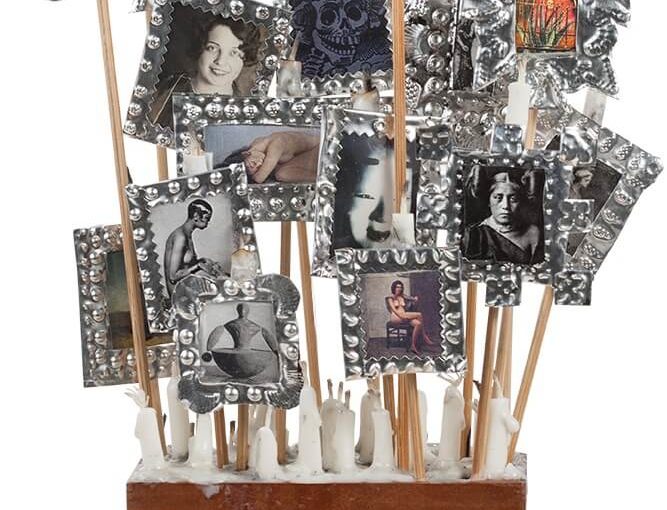
Tag: USA – Washington
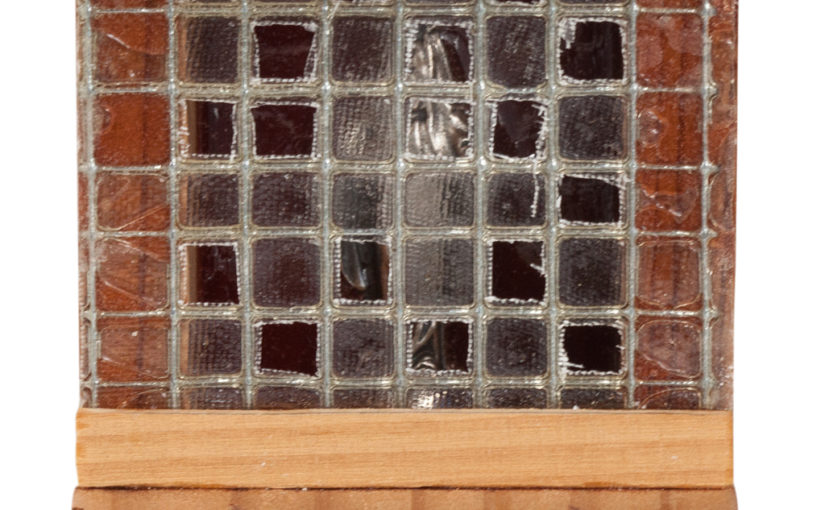
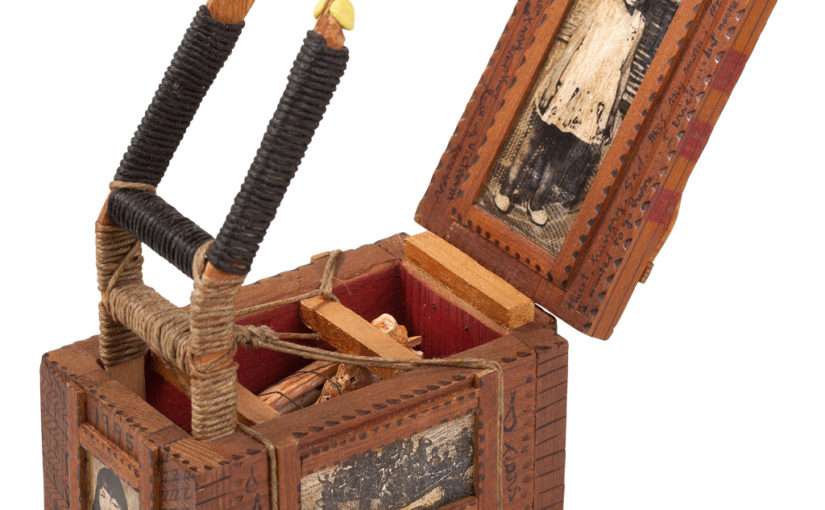
Separation
April 1975, Vietnam: Everyone knows the communists will over run Saigon, but no one expected it to happen so fast. Over the last month the sound of gunfire and explosions have slowly increased in frequency and force. We are so used to it that it has become a sort of background noise no one pays any attention to. Despite this I remember waking on April 30th, alarmed at how close the sound of gun-fire and explosions was to our neighborhood. The city was in chaos, dark smoke blanketed the horizon as people ran with whatever belonging they could carry. But as I watched it seemed that very few had any idea of where to go.
My family and I hurriedly packed some clothes and fled to a friends house in another part of the city called Cho-Lon which was safer. We could no longer stay in our home because it was near an army camp and therefore dangerous. My father was not with us because he and my mother had separated years earlier. Adding to our anxiety was a rumor that the communists have threatened to flatten Saigon if there is resistance. By noon the presidential palace had fallen and we knew it was all over. I was only 7 years old at the time and did not realize how bad the situation was, so I innocently told my mom that now Vietnam will be one country again so she can go back to North Vietnam to see grandmother. My mom was delighted with the thought.
Later that afternoon we drove to the harbor to see what was going on since the radio station had been captured by the communist and we no longer were getting any news. As we drove around the streets were now completely deserted and an strange silence had fallen on the city. The only people we saw were a few people left still burning records and documents in front of some government and military installations. More ominous was the fact that in the harbor most of the navy and merchant ships had already left. I asked my mom what was going on but she seemed lost in her thoughts, maybe she was thinking of the harsh choice she would soon have to make.
My uncle and his wife had been staying one step ahead of the communists since they fled the central highlands. Because of the speed of the communist advance, the roads were jammed with refugees fleeing south making progress impossible for vehicles. Even though they did not want to be separated, my uncle was forced to put his wife on one of the boats heading to Saigon because she was pregnant and would never be able to keep up on foot. When he finally made it to Saigon a few weeks later, he found out that his wife has not arrived and not knowing where she was or what else to do, decided to stay with us in hope that she would find him. Later we learned that the boat she was on had unexpectedly dropped everyone, including his wife, off at Cam Ranh Bay (another city in the central highlands) to go back north for more refugees. My poor aunt was unable to find a way to get to Saigon until after the fighting was over and escape was impossible.
Meanwhile for the rest of us, time was running out. We knew that if we were going to leave it had to be now. We waved down one of the few remaining navy boats which was headed out to sea but stopped to pick us up. At this time not everyone was willing to escape by boat so while it was crowded, there was none of the panic and fighting such as I saw in the photos taken at the American Embassy that day as the last helicopters were leaving. The gun-fire was getting closer and my uncle was torn between staying to look for his wife and escaping, he was worried that he and his wife would face retribution if he stayed because he had been in the army. My mother was hesitant to get on board because she had to choose between leaving with us or staying so that she could see her mother for the first time since 1954 when north and south Vietnam were separated. Finally she decided to stay and promised to find us after the war ended. As the boat pulled away I can still remember my mother standing on the dock, crying and waving to us. I was yelling : “Stop the boat, go back and get my mom”, but it was too late. In those few minutes my family was torn apart and for last time I saw Vietnam. As my mother watched the boat leaving with her children she was overcome with grief and changed her mind. Desperately she stood at the dock for five hours waiting for another boat to take her out to our ship, but none came.
On the way out of Saigon, we saw hundreds of returning boats and some of them warned us not to go on because troops were shooting at any boats trying to escape to the open sea. The people on our boat were very determined and decided to take their chances and leave.
Many of the boats we saw leaving were severely overloaded and one of the ships had run aground in shallow water. Our smaller boat pulled alongside the old, rust streaked ship and an agreement was reached that everyone who wanted to could transfer from our boat to the ship, and in return our boat would help pull the ship into deeper water. After struggling for three or four hours both vessels finally reached deep water and all passengers were transferred. The small boat turned back toward Saigon, taking a few people who had changed their minds and decided to go back. The ship, even more overcrowded than before slowly headed out to the open ocean for the long dangerous voyage ahead. Even though we had made it out of Saigon there was no celebrating, everyone was dwelling on what they had left behind and what the uncertain future would hold. That night was pitch black, there were no lights on our ship or on shore. We watched fireworks shooting up from the coastal villages into the dark sky. The communists were celebrating their victory and we could hear one of the generals broadcasting a new set of rules which he called ” the ten commandments “. These commandments were to govern life for those left behind in the new Vietnam. Our intended destination was Singapore and we slowly headed south. The weather was good and if it were not for the grim circumstances I might have been able to appreciate the beauty of the blue ocean and the small islands we passed. Once we saw some whales which terrified everyone because they were nearly as large as our ship and came very close. When I look back on the event, I think that everyone leaning over one side to watch the whales was more dangerous to the ship than the whales themselves.
Things started to go seriously wrong a couple of days into the journey when our engine broke down. I guess this was not very surprising considering how old and decrepit our ship was to start with. There were many more small boats from coastal villages followed us and dumping refugees onto our ship each day. The water started to coming in from an existing hole on the side of the hull of our ship which is now below the waterline because of the refugees’ weight. After drifting a few days, our food and water were running out, making an already bad situation very desperate. People started to fight over food and water. Everyone was being very careful to ration their water and food except for this popular singer from Saigon who would use a great deal of her small supply of water to wash her face each day. Obviously some people are more afraid of being unattractive than dying.
Everyone thought that we were going to die slowly and horribly, despair settled over the ship like a numbing fog. A man near me decided not to wait and shot himself in the head. I remember screaming when his blood and brain tissue splattering on me. On the crowded deck there was no where to store the body so there was no choice but to toss his body overboard and within minutes the sharks were fighting over it. As days passed, so great was my fear and loss that I felt neither hunger or thirst. My mind had cut off my ability to feel or comprehend what was happening around me, which was maybe a good thing considering what life was like onboard. Even though the ship was extremely overcrowded there was very little talking, everyone seemed wrapped up in their own misery. My brother and sister sat nearby crying and hugging each other. The crowding was so great that one night when I stood up to stretch, I found that I could no longer find a space to sit back down so I ended up standing the entire night until I collapsed. Having learned my lesson I did not get up again until we were rescued.
Despite our SOS signals and desperate attempts to get their attention, many ships passed us by without stopping but finally after floating what seemed like forever we were picked up by a Danish freighter out of Thailand on their way to Hong Kong. After being left by so many other ships, everyone was afraid that if we did not get onboard the freighter fast enough they would leave without us. Most of the people started to panic and there was a lot of pushing and shoving to get on board. Some fights even broke out and many passengers left their personal belongings behind in the mad rush. One man’s leg got crushed between the two ships when they collided into each other. Many others fell into the water and drowned during the rescued. By the time we were rescued, I could not move my legs because of sitting in one spot for so long; I had to be carried up to the freighter by one of the ship’s crew. That night as I was resting from my ordeal someone stole all the cash and jewelry that my mother had given me.
So when it was over all I had left of Vietnam were memories of people and places that had been left behind. For many years afterward, I would get angry when I thought about what had happened and what I lost. I was not angry at anyone in particular, rather I was angry how events and ideologies which I did not understand could take me from everything I knew and loved. After my mother and other members of my family have moved here recently, I finally have the chance once again to know the family I lost twenty years ago.
Art Box
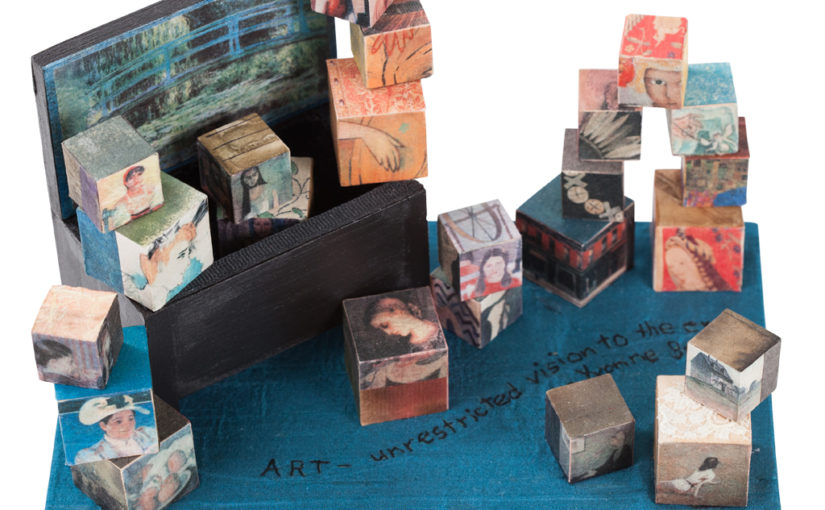
Tajima Box Project. An artist and an extraordinary woman collaborate to create a box.
Yvonne Banks, Owner of Art Consulting Services and Marie Hassett, artist.
Yvonne Banks is passionate about art! She has been instrumental in bridging the art world with the rest of our community for over 20 years as an art consultant and former gallery owner. Art Box is a tribute to her contributions. Her own vision and tireless energy strengthens her advice to young women, “You can do anything if you’re willing to work to get there.”
It was my pleasure to spend time with Yvonne sharing stories from our lives, finding commonality in our experiences as mothers, gardeners and lovers of art.
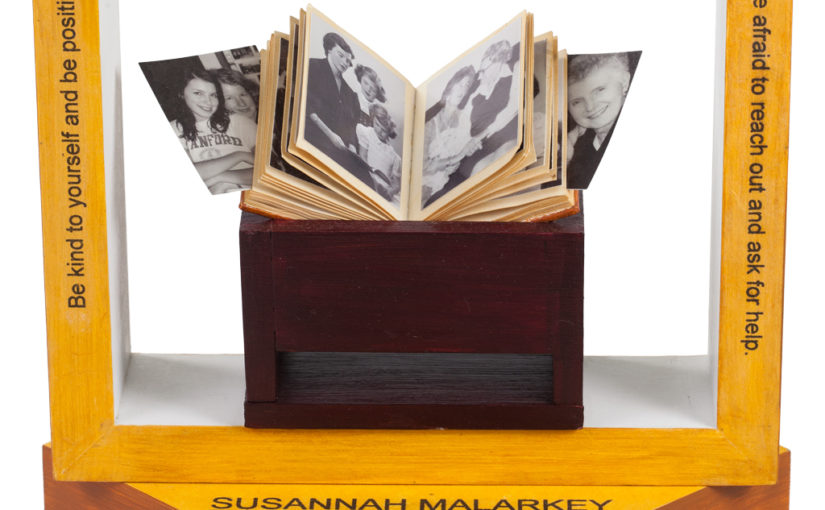
Framing Life, Memories, and Wisdom
Tajima. An artist and an extraordinary woman collaborate to create a box.
Susannah Malarkey, EXECUTIVE DIRECTOR OF THE TECHNOLOGY ALLIANCE OF WASHINGTON and MalPina Chan, ARTIST.
The form of the square frame suggests strength and solidity making it an appropriate metaphor for Susannah. From the first few moments of our initial conversation, we felt a connection as we shared memories about our mothers and daughters. Susannah’s feelings on “wise women who came before passing on and sharing their life’s lessons” and the notion of “tribal memories” serves as the inspiration for this piece.
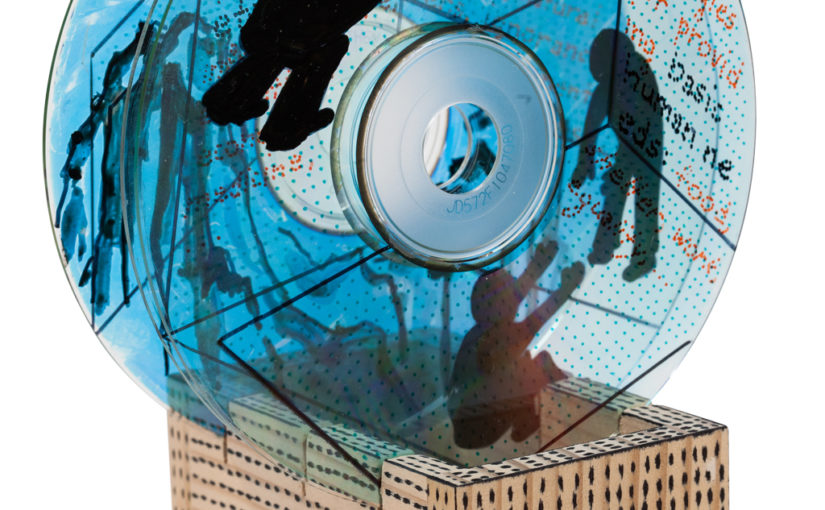
The Encrypted Future
Tajima Box Project. An artist and an extraordinary woman collaborate to create a box.
PHYLLIS CAMBPBELL, PRESIDENT AND CEO OF THE SEATTLE FOUNDATION
Right angles are only made by human beings. And if one thinks of the ultimate object created, one is led to the computer and its binary innards.
The dots on the unpainted, rectangular box are like the zeroes and ones used to create software. The disks represent programs which have strategies for solving problems of all dimensions, from local to global levels.
The box is about hope in the computer, that it will be able to help humanity.
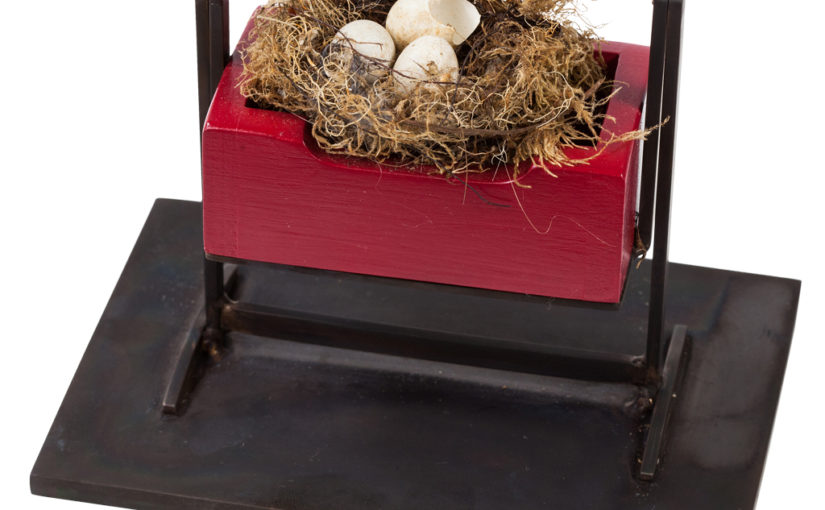
A Falcon or a Great Song
Tajima Box Project. An artist and an extraordinary woman collaborate to create a box.
LEASA MAYERS, PRESIDENT, CRG EVENTS
In talking to Leasa Mayers about her life – her family, and her work promoting others in their ventures, the powerful Rainer Maria Rilke poem, “Growing Orbits” came to mind. It inspired me to transform the plain wooden box into a cradle holding a bird’s nest with eggs to honor Leasa’s endeavors; her creative spirit, her effective nurturing which helps others to take flight.
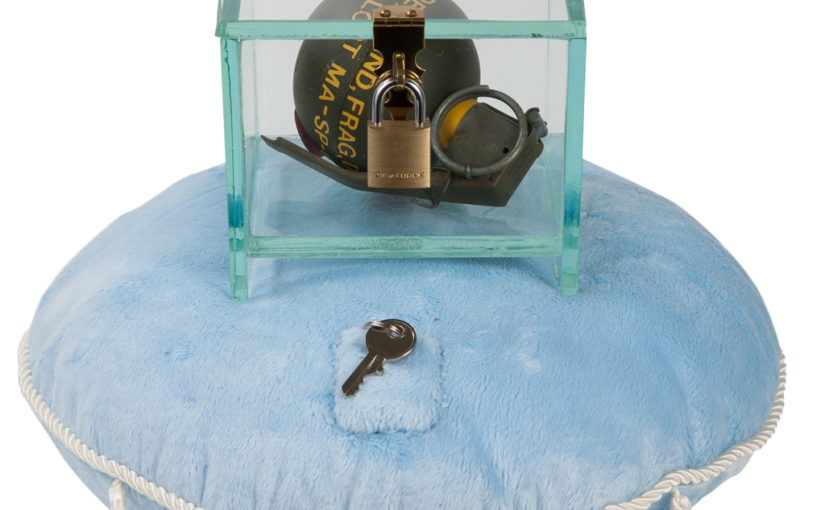
Nancy’s Hope
Tajima Box Project. An artist and an extraordinary woman collaborate to create a box.
NANCY SODERBERG, FORMER SENIOR FOREIGN POLICY ADVISOR TO CLINTON, FORMER US AMBASSADOR TO THE UNITED NATIONS
My impression of Nancy is a study in contrasts: powerful authority figure/pretty, blonde hair, soft features. Woman, wife, stepmother/facing the horror of war on a daily basis.
But a singular vision: the world can change, war can be contained.
So, we have a soft, hand-stitched pillow – symbol of domesticity, a womanly art. In the colors of the UN flag, the ultimate multilateral institution, and round, like the diplomatic Round Table. A locked, but fragile glass box, its contents a weapon of powerful but intimate destruction: an M67 Fragmentation hand grenade. And the key tucked safely away in a pocket of the UN pillow.
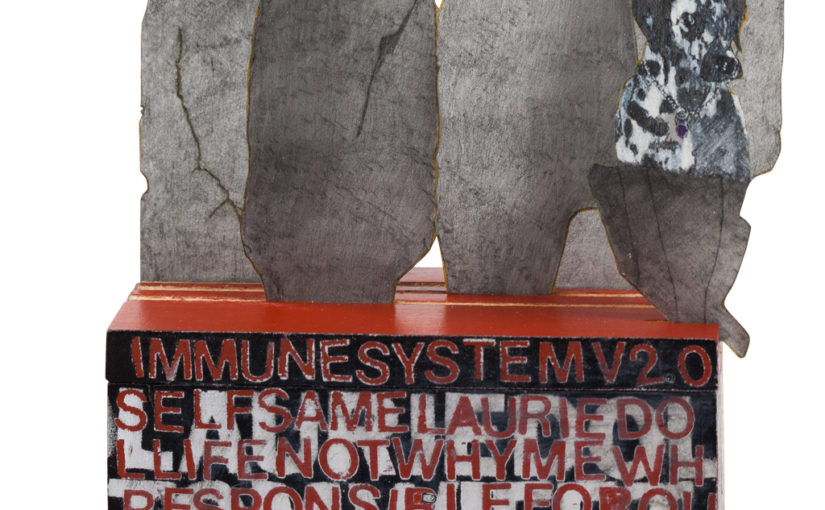
Laurie Dolan
Tajima Box Project. An artist and an extraordinary woman collaborate to create a box.
Laurie Dolan, DIRECTOR OF WASHINGTON STATE GOVERNOR’S EXECUTIVE POLICY OFFICER
Because Laurie had twice run and lost close State Senate races, my first impulse for this project was to create political art that is stark and confrontational in the style of outsider Bible-literalists — using red, black, white, block letters and simple but expressive figures.
Laurie is genuinely engaged in and faithful to the political process, seeing herself as glue, as a relationship builder. Laurie underwent a successful stem cell transplant in July 2003, and her illness and recovery impressed on her how little time we have to touch the world, and how important it is to touch our children. The text on the box runs together and reflects the impact of Laurie’s illness on her life, her desire to touch the world, and the importance of her family.
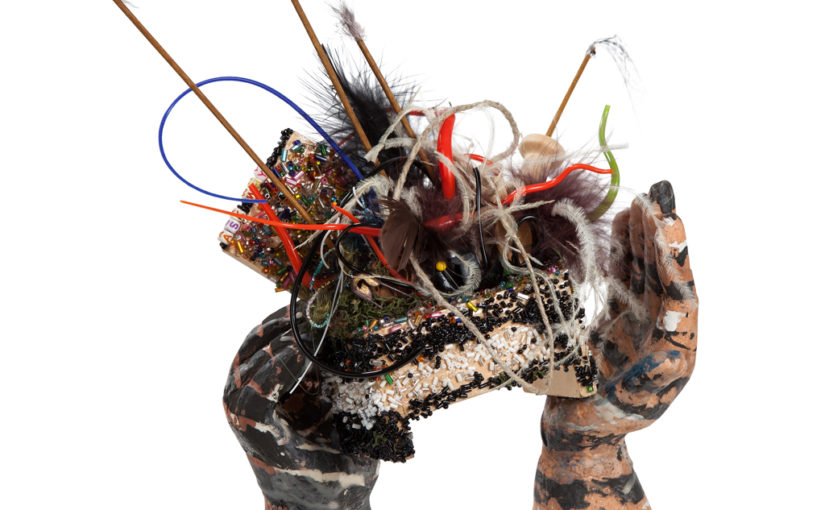
Energy of Thought, Word and Deed
Tajima Box Project. An artist and an extraordinary woman collaborate to create a box.
Rita Ryder, PRESIDENT OF STRATEGIC INITIATIVES, YWCA
Our sculpture represents the day-to-day work of the YWCA, providing hope and opportunity to women and families. Our ceramic hands represent our entire, diverse community joining together to help women and families overcome critical issues that undermine their lives: homelessness, poverty, domestic violence and unemployment.
Working together, we move women and families forward—breaking the cycle of poverty and hopelessness, and improving the quality of their lives.
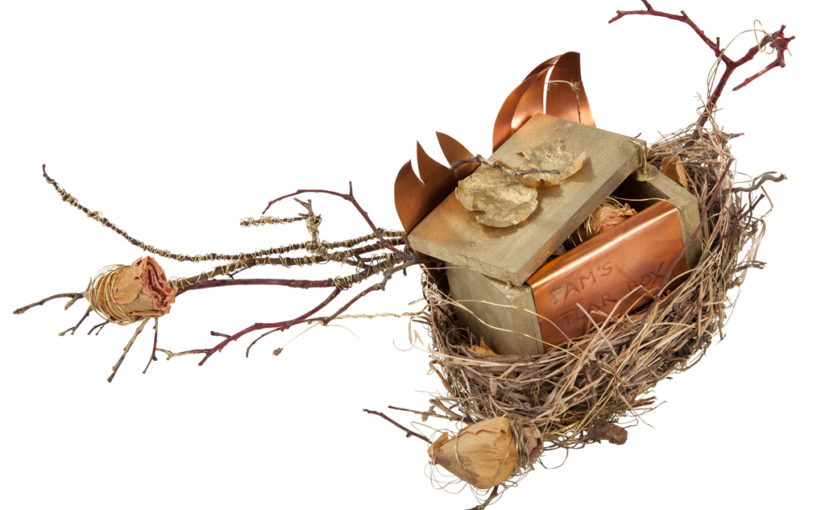
Pam’s Tear Box
Tajima Box Project. An artist and an extraordinary woman collaborate to create a box.
Pam Praeger, VICE PRESIDENT OF LEARNING, SPOKANE FALLS COMMUNITY COLLEGE
One of the first things that Pam said to me was, “I don’t know if anyone mentioned it to you but I lost my daughter in May and I’m still struggling with the loss.” She said it almost apologetically. As I got to know Pam it became clear that Tara, the lost daughter, set a high bar for her mother through the lessons she taught the whole family during her dying. I also learned that Pam and Tara are a lot alike. Even in pain Pam’s first impulse was to help me. I knew instinctively that it was also what Tara would have done. I am grateful to Pam and Tara for their generosity and honesty. During our time together Pam cried more than once and each time she seemed at a loss about what to do with her tears. So I’ve made a Magic box for those tears. Its capacity is endless.
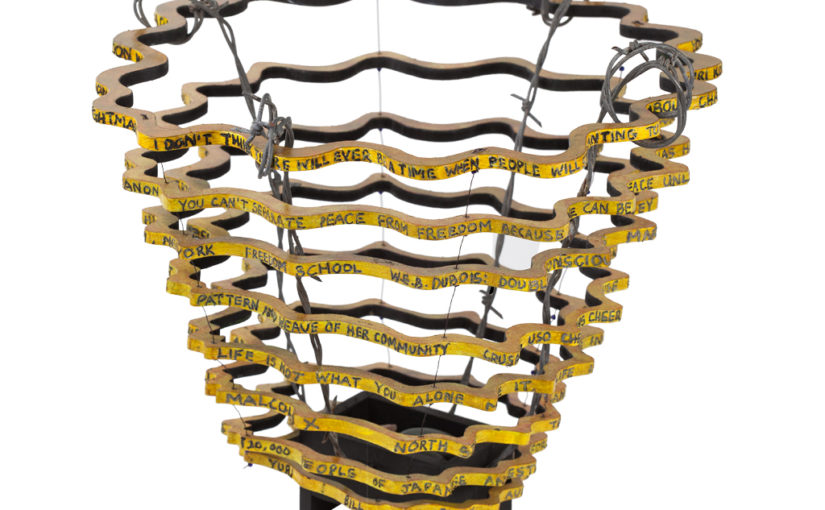
Reverberation: Yuri Kochiyama
Tajima Box Project. An artist and an extraordinary woman collaborate to create a box.
Yuri Kochiyama, LEGENDARY CIVIL RIGHTS ACTIVIST; CLOSE FRIEND AND ASSOCIATE OF MALCOM X and June Sekiguchi, ARTIST.
I want to represent the effect pivotal events had on Yuri Kochiyama and how her life and work had a ripple effect in turn. Something breaks the surface of awareness and affects a resounding change. The box is the foundation supporting barbed wire which acts not only as the internal framework of concentric ripples reverberating beyond the source, but references important aspects of Yuri’s life: internment and political prisoners.
The box holds a gathering of pebbles that signify the catalyst of change. The ripples are inscribed with quotes, influences, and documentation of her life. I’ve chosen to use text heavily in this piece because the written word has held a place of importance in Yuri’s connection to the world. Light and shadow reflect the intangible far reaching affect she has had.
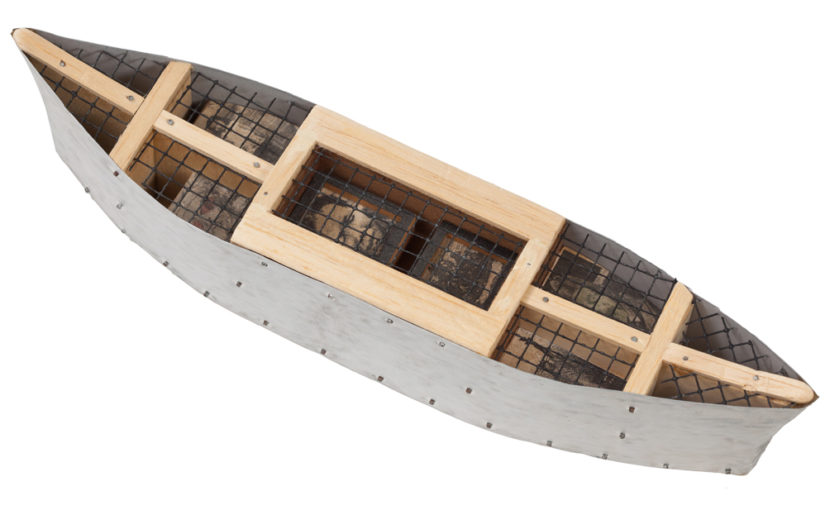
Journey #17
This box, a part of the Journey Series, combines elements as diverse as Egyptian funeral boats, Vietnamese river craft and streamline airplanes. Each piece explores the religious and spiritual significance of journeys through the symbol of the vessel. After my own experience of fleeing Vietnam in 1975, the vessel represents memories of hardship and hope.
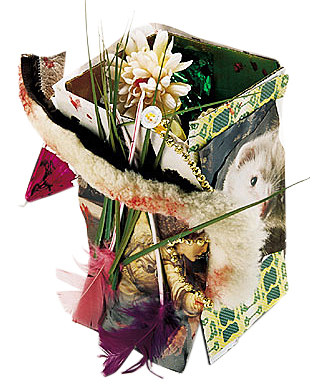
Garden Carriage
Children Beyond Borders. VSA Arts.
Age 10.
The box reflects me because it’s quiet, pretty, and full of flowers.